



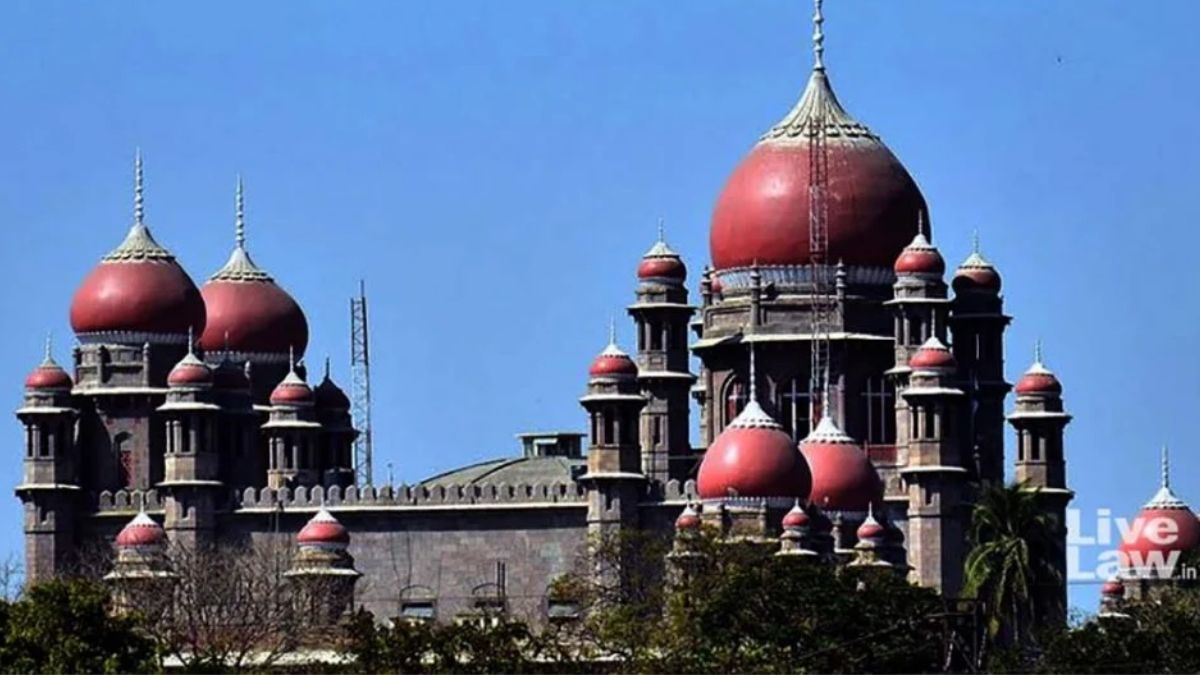
Telangana High Court new appointments 2025: Four Additional Judges sworn in, raising bench strength to 30. Know names, appointment process, and exam-relevant takeaways for UPSC, PSC, SSC & Judiciary exams.
Telangana High Court Strengthens Bench with Four New Appointments
Overview
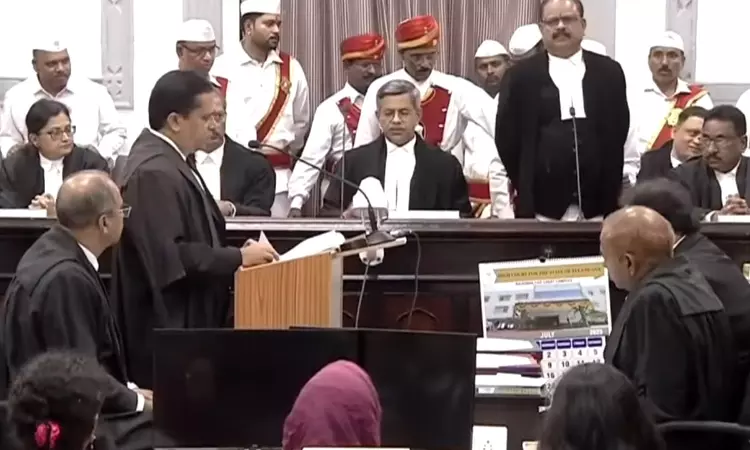
On July 31, 2025, the Telangana High Court welcomed four new Additional Judges—Gouse Meera Mohiuddin, Chalapathi Rao Suddala, Gadi Praveen Kumar, and Vakiti Ramakrishna Reddy—in a ceremony presided over by Chief Justice Aparesh Kumar Singh, raising the court’s working strength to 30 judges, against a sanctioned strength of 42.
Appointment Process and Background
These judicial appointments followed recommendations by the Supreme Court Collegium (resolution dated July 2, 2025) and were officially cleared by the Central Government on July 28, 2025, before taking the oath of office.
Impact on Vice-Chief Justice Leadership
The swearing-in event marked the first formal induction ceremony presided over by newly appointed Chief Justice Aparesh Kumar Singh, who assumed office in Telangana on July 19, 2025.
Addressing Vacancies and Case Backlog
Prior to these appointments, the High Court faced mounting pressure from long-standing judicial vacancies, which impaired timely disposal of cases. With four new Additional Judges joined, stakeholders expect improved pace and efficiency in judicial proceedings.
Future Prospects for Court Efficiency
Though the bench now has 30 sitting judges, 12 vacancies remain unfilled. Experts urge further appointments to fully meet the sanctioned capacity and ease the backlog of cases that currently burdens the state judiciary.
Why This News Is Important
Judicial Capacity Enhancement
This development is critical for civil service and legal exam aspirants, as it highlights how judicial infrastructure is maintained and expanded. Understanding how bench strength affects legal system efficiency is relevant for judiciary and public administration components of exams.
Constitutional and Legal Processes
The appointments illustrate the constitutional procedure—from Supreme Court Collegium recommendations to central government and presidential approvals—important for Indian polity and governance topics.
Impact on Justice Delivery
Strengthening judge cadre is directly linked to faster judicial outcomes, reducing pendency—vital for sections on judicial reforms and access to justice, commonly featured in government exams.
Career Path Insights
The news names the incoming Additional Judges, offering context on typical profiles of judicial appointees—beneficial for law and justice questions or general awareness sections about the legal fraternity.
Historical Context
Telangana High Court Formation
The Telangana High Court was officially established on January 1, 2019, following the bifurcation of Andhra Pradesh under the Andhra Pradesh Reorganization Act, 2014. Since then, it has functioned with a sanctioned capacity of 42 judges, including 32 permanent and 10 additional positions.
Bench Strength Before This Induction
Prior to July 2025, the court had been operating with about 26‑27 judges, resulting in chronic vacancies and high case backlog. The induction of four Additional Judges is a significant incremental step toward addressing these gaps.
Judicial Appointment Mechanism
The process—appointment of Additional Judges for up to two years before potential elevation to permanent status—is a key facet of India’s judiciary system. These positions are often used to manage workload surges or fill temporary gaps.
Key Takeaways from “Telangana High Court Strengthens Bench”
| # | Key Takeaway |
|---|---|
| 1 | On July 31, 2025, four Additional Judges—G. Meera Mohiuddin, Chalapathi Rao Suddala, Gadi Praveen Kumar, Vakiti Ramakrishna Reddy—were sworn in at Telangana High Court. |
| 2 | Chief Justice Aparesh Kumar Singh, who assumed office on July 19, 2025, administered the oath. |
| 3 | The appointments were based on recommendations by the Supreme Court Collegium (July 2, 2025 resolution) and central government approval on July 28, 2025. |
| 4 | With the induction, the working strength increased to 30 judges, against a sanctioned strength of 42. |
| 5 | 12 judicial vacancies remain, prompting further calls for additional appointments to reduce case backlog. |
Frequently Asked Questions (FAQs)
1. What is the sanctioned strength of judges in the Telangana High Court?
The sanctioned strength is 42 judges, including permanent and additional posts.
2. How many judges are currently serving after the new appointments?
With the addition of four new judges, the current strength is 30 judges.
3. Who are the newly appointed Additional Judges in July 2025?
The four judges are Gouse Meera Mohiuddin, Chalapathi Rao Suddala, Gadi Praveen Kumar, and Vakiti Ramakrishna Reddy.
4. Who administered the oath to the new judges?
The oath was administered by Chief Justice Aparesh Kumar Singh.
5. What is the role of the Supreme Court Collegium in judicial appointments?
The Supreme Court Collegium recommends names for appointments of judges to the High Courts and Supreme Court. The Central Government then approves and notifies the appointments.
6. What is the significance of appointing Additional Judges?
Additional Judges are appointed to handle increased caseloads and fill temporary vacancies, often for a tenure of up to two years.
7. When was the Telangana High Court established?
The Telangana High Court was officially constituted on January 1, 2019, following the bifurcation of Andhra Pradesh.
8. What is the Collegium resolution date related to this appointment?
The Collegium recommended the appointments in its resolution dated July 2, 2025.
9. What exams can ask questions from this news?
This topic is relevant for UPSC, State PSCs, Judiciary Exams, Railways, Banking (General Awareness), SSC, and Police exams.
10. Why is this news important for aspirants?
It provides insight into judicial reforms, governance procedures, judicial appointments, and constitutional machinery—all crucial for exams requiring understanding of Indian polity and current affairs.
Some Important Current Affairs Links