






Tamil ISRO scientist Nellai S. Muthu, noted for blending science with Tamil literature, passed away at 74. His legacy spans ISRO contributions and over 100 educational books.
Renowned ISRO Scientist & Tamil Author Nellai S. Muthu Passes Away at 74
A Distinguished Career in Science and Literature
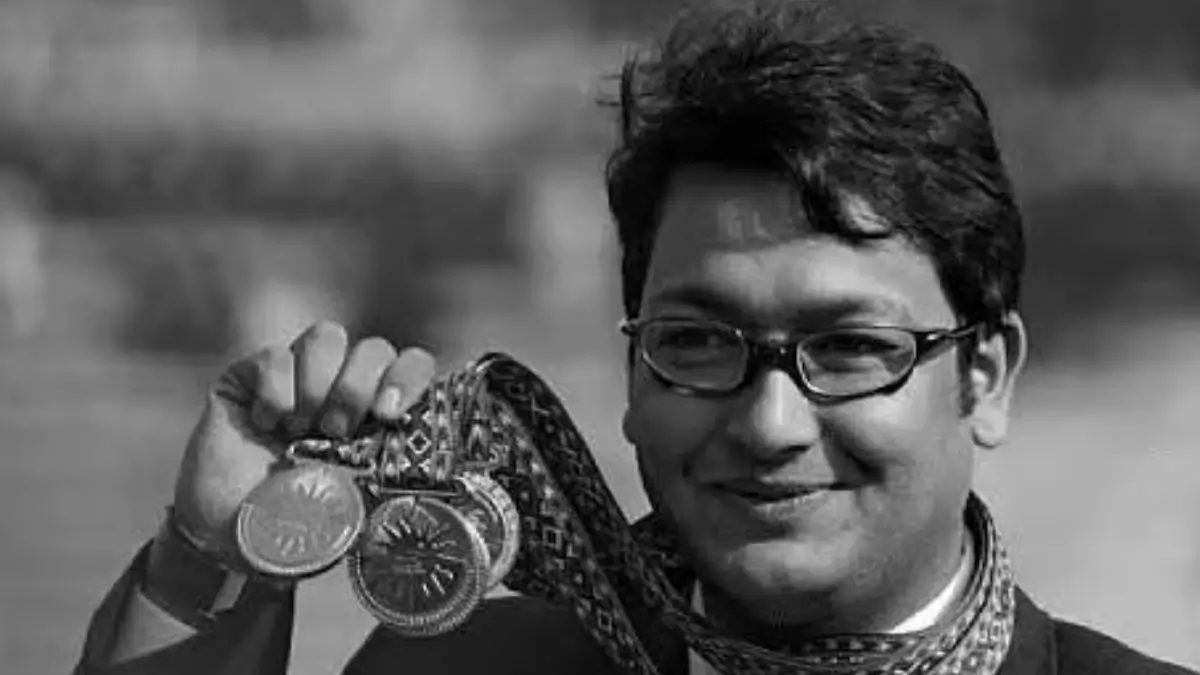
Nellai S. Muthu (10 May 1951 – 16 June 2025) was a celebrated Tamil writer and a senior scientist at the Satish Dhawan Space Centre, Sriharikota, under ISRO Over his decades-long career, he seamlessly bridged science and language, authoring more than a hundred books covering topics from astronomy and physics to children’s literature and poetry His unique ability to translate complex scientific concepts into Tamil made him a pivotal figure in popular science education.
Major Scientific Contributions & Literary Achievements
At Sriharikota, Muthu made significant contributions to satellite launch missions, working closely with luminaries like former President Dr. A.P.J. Abdul Kalam Beyond his scientific endeavors, he authored award-winning books such as Vinveli 2057, Arivuttum Vigyana Vilaiyaatu, and Einsteinum Andaveliyum. These works received recognition from the Tamil Nadu Government’s Tamil Development Department and other prestigious institutions
Awards, Honors & Recognition
In addition to national-level accolades from India’s National Council for Science and Technology, he received the Mahakavi Bharathi Aiynthamizh award for contributions to science literature, the Pal Maruthuvar G. Sitrambalanar award, and the Kavimamani award from Malaysia’s Tamil Poets Association These honors underscore his lifelong dedication to enriching Tamil literature and science education.
Final Moments & Widespread Tributes
Muthu passed away on 16 June 2025 in Thiruvananthapuram after a period of illness. His death was confirmed by Dr. Venkitakrishnan P.V., former ISRO scientist and current IIT Madras professor His mortal remains were brought to Madurai for final rites, drawing mourners from both scientific and literary communities
/indian-express-tamil/media/media_files/2025/06/16/OSpEgWw40sypPUxJC3wf.jpg "Tamil ISRO scientist")
Why This News Is Important
Bridging Science and Regional Language
Muthu’s passing is a significant loss as he was a unique voice that merged technical expertise with literary artistry. His ability to convey scientific knowledge in Tamil greatly enhanced science education in regional languages, reducing language barriers for students preparing for government exams in states like Tamil Nadu and Kerala.
Impact on Education and Aspirant Preparation
For civil services (IAS/PCS), banking, railways, defence, and teaching aspirants, regional language proficiency in technical subjects is increasingly valued. Muthu’s works serve as essential reference materials, enriching candidates’ preparation in science and reasoning sections—especially in Tamil-medium study circles.
Inspiration for STEM Communication
Muthu’s career highlights the importance of science communication. His dual role as a scientist and author exemplifies how technocrats can engage with the public and foster a scientific temper—skills increasingly emphasized in modern government job syllabi and examiner patterns.
Historical Context
Tamil Literature Meets Science
The intersection of Tamil literary tradition and modern science is rare yet invaluable. Historically, Tamil has produced rich cultural and poetic works; adding technical literature in the same language marks a progressive evolution. Muthu followed in the footsteps of earlier pioneers and elevated this niche during his ISRO service.
Science Outreach in Regional Languages
India’s focus on scientific literacy in regional languages gained steam post-independence. Programs such as Prasar Bharati broadcasts and educational modules in vernacular languages were part of national policy—Muthu’s contributions through his books aligned perfectly with these efforts.
ISRO’s Cultural Outreach
Beyond rockets and satellites, ISRO has played a role in promoting science education. Scientists like Dr. Kalam actively engaged in public outreach. Muthu continued this legacy within his community and Tamil readership, reinforcing the importance of science communication in India’s space and educational ecosystem.
Key Takeaways from “Renowned ISRO Scientist & Tamil Author Nellai S. Muthu Passes Away”
| S.No. | Key Takeaway |
|---|---|
| 1 | Nellai S. Muthu (1951–2025): Senior ISRO scientist at Sriharikota and renowned Tamil science author. |
| 2 | 100+ Publications: Wrote extensively across genres—science, children’s literature, poetry, history and criticism. |
| 3 | Award-Winning Works: Notable books include Vinveli 2057 and Einsteinum Andaveliyum, honored by Tamil Nadu Govt. |
| 4 | National Recognition: Received awards from National Council for Science and Technology and Tamil cultural bodies. |
| 5 | Science Communicator: Known for translating technical knowledge into Tamil, vital for aspirants in regional exam contexts. |
FAQs: Frequently Asked Questions
1. Who was Nellai S. Muthu?
Nellai S. Muthu was a senior scientist at ISRO’s Satish Dhawan Space Centre and a renowned Tamil science author who wrote over 100 books making science accessible to Tamil-speaking readers.
2. What were some of his notable works?
His award-winning books include Vinveli 2057, Einsteinum Andaveliyum, and Arivuttum Vigyana Vilaiyaatu, which were highly praised for combining science with storytelling in Tamil.
3. What awards did Nellai S. Muthu receive?
He was honored with several accolades including awards from the National Council for Science and Technology, Tamil Nadu Government’s Tamil Development Department, and the Mahakavi Bharathi Aiynthamizh award.
4. How is this news relevant for competitive exams?
Questions related to notable Indian scientists, regional language contributions to science, and ISRO-related developments are frequently asked in general awareness, current affairs, and science sections of exams like UPSC, SSC, Railways, and Defence.
5. What is the significance of promoting science in regional languages?
It helps break the language barrier in education and encourages scientific thinking among students who prefer learning in their native language, an approach strongly supported by the National Education Policy (NEP) 2020.
Some Important Current Affairs Links