




Sanjeev Kapoor World Food Prize recognition 2025 — Learn how India’s celebrated chef and Padma Shri awardee is transforming school nutrition and sustainable agriculture through the Nutri Pathshala initiative. A must-read for exam aspirants covering current affairs, food security, and global awards.
Chef Sanjeev Kapoor honoured as a Top Agri-Food Pioneer by World Food Prize Foundation
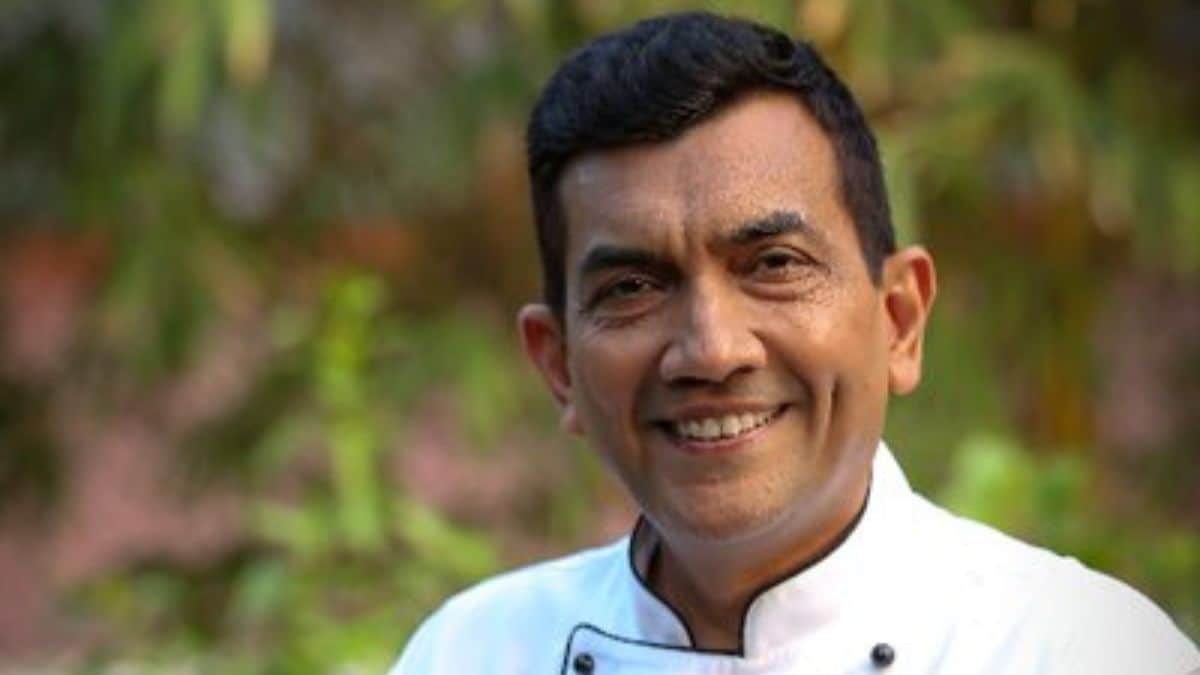
Renowned Indian chef, author and entrepreneur Sanjeev Kapoor, a recipient of the Padma Shri, has been recognised by the World Food Prize Foundation (WFPF) as one of its 2025 Top Agri-Food Pioneers (TAP).
This award underscores his contributions that extend well beyond the kitchen — combining culinary excellence, nutrition advocacy and sustainable agricultural sourcing into a unified agenda for improved food systems.
Culinary Innovation Meets Nutrition Advocacy
Kapoor’s recognition is built on his multifaceted work. He has spearheaded the initiative “Nutri Pathshala”, which connects schools, farmers and nutrition-programmes to deliver nutrient-rich meals and promote awareness.
Through his leadership, more than 2.5 million meals have reportedly been delivered to schoolchildren, utilising bio-fortified crops such as iron-rich pearl millet and zinc-rich wheat.
Kapoor’s approach brings together:
- Culinary innovation rooted in Indian traditions
- Nutrition-rich meals across school and community settings
- Sustainable sourcing from Indian farmers
- Public awareness campaigns linking food with health, agriculture and social impact.
Significance for Food Systems & Agriculture
The acknowledgment by WFPF signals a broadening of what constitutes contributions to food security. It positions chefs and culinary professionals as key actors in agriculture, nutrition and food-system transformation.
By recognising Kapoor’s work, the Foundation signals that local, sustainable, nutrition-oriented food businesses rooted in traditional and modern practices can receive global validation. This sets a precedent for the hospitality and agriculture sectors to interface more directly with food-system change.
India’s Role in Global Food and Nutrition Landscape
As India faces persistent challenges in malnutrition, micronutrient deficiencies and food-system sustainability, Kapoor’s work offers a model of linking agriculture, nutrition and culinary enterprise. His programmes demonstrate how the food value-chain from farm to table can be leveraged to address social and health challenges.
This is particularly relevant to government-exam aspirants – especially in sectors like teaching, civil services, defence and agriculture – because it touches on themes such as food security, sustainable agriculture, school-feeding programmes and nutrition policy.
Why This News is Important
Relevance for Exam Contexts
For students preparing for teacher-recruitment, police, banking, railways, defence and civil-service (like PSCs to IAS) exams, this news is significant because it intersects with several key syllabus areas: sustainable agriculture, nutrition, public health, food security and India’s role in global initiatives.
It offers a tangible example of how India’s non-government actors (in this case, a celebrity chef) contribute to national priorities like combating malnutrition and strengthening food systems. This kind of cross-sectoral development is increasingly relevant for general studies papers, especially in topics like social welfare, health & nutrition and agriculture.
Insight into Policy and Practice
The award to Sanjeev Kapoor shines light on evolving policy thinking: that food systems are not just the domain of agriculture ministries but also involve education (school-meals), community health (nutrition) and private/civil-society actors (chefs, food enterprises). Understanding this offers depth to answers in mains exams and interviews, showing inter-linkages between agriculture, nutrition and socio-economic development.
Illustrative of Global Recognition
From a broader viewpoint, this news shows how India’s efforts are getting global resonance — part of international recognition of sustainable, nutrition-oriented innovations. That helps aspirants to frame India’s global engagement in sustainable development, one of the recurring themes in competitive exams.
Historical Context
Evolution of the World Food Prize & Food Security Focus
The World Food Prize was established in 1986 by the World Food Prize Foundation to recognise individuals who make exceptional contributions to food and agriculture. Over decades, it has highlighted innovations across crop-science, policy, nutrition and food systems.
In recent years, the focus of such awards has shifted beyond crop yields to encompass sustainable agriculture practices, bio-fortification, nutrition-rich foods and value-chains from farm to fork. For example, the recognition of bio-fortified crops and nutrition-oriented initiatives reflects this shift.
India’s journey in nutrition & agriculture
India’s Green Revolution (1960s-70s) markedly increased food-grain production but left gaps in nutrition and food diversity. Over time, policy initiatives such as the National Food Security Act, Mid-Day-Meal Scheme, and bio-fortification programmes (e.g., for iron, zinc) emerged to address malnutrition.
In that context, initiatives like Kapoor’s Nutri Pathshala, which serve school-children with nutrient-rich meals and engage farmers in sustainable sourcing, reflect the next phase of India’s food-security strategy — one that links agriculture, nutrition and education.
Therefore, his recognition by the WFPF is rooted in this longer trajectory: from basic production to holistic food systems that emphasise quality, accessibility and sustainability.
Key Takeaways from This News
| S. No. | Key Takeaway |
|---|---|
| 1 | Chef Sanjeev Kapoor, Padma Shri awardee, has been recognised as a 2025 Top Agri-Food Pioneer by the World Food Prize Foundation. |
| 2 | The award highlights his work beyond cooking: delivering over 2.5 million nutrient-rich meals to schoolchildren and promoting bio-fortified crops like iron-rich pearl millet and zinc-rich wheat. |
| 3 | His initiative “Nutri Pathshala” connects schools, farmers and nutrition programmes to promote sustainable food-systems and community nutrition. |
| 4 | The recognition signals the expanding definition of food-system innovation — from agriculture and crop science to culinary practice, nutrition and public-health engagement. |
| 5 | For students preparing for government exams, this news links topics such as sustainable agriculture, food security, school‐feeding policy and India’s global role — useful for general studies, current affairs and essay papers. |
FAQs: Frequently Asked Questions
1. Who has been recognized as one of the World Food Prize Foundation’s Top Agri-Food Pioneers 2025?
Answer: Chef Sanjeev Kapoor, an Indian celebrity chef and Padma Shri awardee, has been recognized as one of the Top Agri-Food Pioneers 2025.
2. What initiative by Sanjeev Kapoor has contributed to improving nutrition among schoolchildren in India?
Answer: The initiative “Nutri Pathshala” launched by Sanjeev Kapoor promotes nutritious meals in schools, connecting farmers, nutrition programs, and educational institutions.
3. How many meals have been distributed under Sanjeev Kapoor’s nutrition initiatives?
Answer: More than 2.5 million nutrient-rich meals have been distributed to schoolchildren through bio-fortified crops such as pearl millet and zinc-rich wheat.
4. What does the recognition by the World Food Prize Foundation signify for India’s food and nutrition sector?
Answer: It signifies a global acknowledgment of India’s evolving food systems, highlighting the integration of culinary innovation, sustainable agriculture, and nutrition advocacy.
5. Why is this news important for government exam aspirants?
Answer: The news links to key exam topics such as food security, sustainable agriculture, bio-fortification, nutrition policy, and India’s global recognition—making it relevant for general studies, essay, and current affairs sections.
6. What is the World Food Prize Foundation known for?
Answer: Established in 1986, the World Food Prize Foundation honors individuals who have made outstanding contributions to improving the quality, quantity, or availability of food worldwide.
7. How does Sanjeev Kapoor’s work align with India’s national goals?
Answer: His initiatives support nutrition-driven food systems, aligning with the National Food Security Act, the Mid-Day Meal Scheme, and India’s Sustainable Development Goals (SDGs) related to zero hunger and good health.
Some Important Current Affairs Links




