





RBI MPC April 2026 keeps repo rate unchanged at 5.25%, adopts a neutral stance. Learn about GDP growth forecast, inflation outlook, and key impacts on banking and competitive exams.
RBI MPC Meeting 2026: Repo Rate Unchanged at 5.25% — India’s Monetary Decision Explained
RBI MPC Meeting Overview
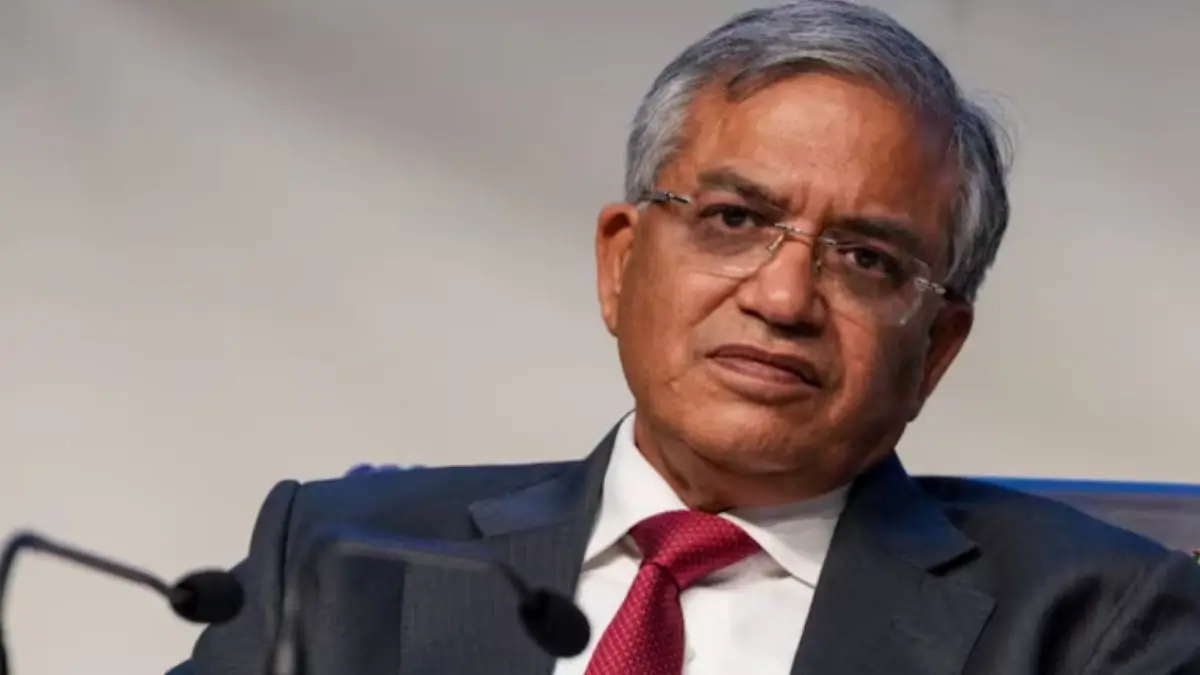
The Reserve Bank of India’s (RBI) Monetary Policy Committee (MPC) concluded its policy review meeting from April 6‑8, 2026, deciding to keep the policy repo rate unchanged at 5.25%. This decision was announced by RBI Governor Sanjay Malhotra and reflects careful deliberation amid domestic economic resilience and external global uncertainties.
The repo rate — the key interest rate at which the RBI lends money to commercial banks — plays a pivotal role in influencing borrowing costs, inflation, liquidity, and credit availability across the economy. By maintaining the rate at 5.25%, the RBI signalled a neutral and cautious stance rather than an inclination towards tightening or loosening.
Key Policy Decisions
• Repo Rate: Held steady at 5.25%.
• Standing Deposit Facility (SDF) Rate: Remains at 5.00%.
• Marginal Standing Facility (MSF) & Bank Rate: Continued at 5.50%.
• Monetary Policy Stance: Neutral — RBI neither hinted at imminent cuts nor hikes.
The neutral approach indicates that the MPC will base future decisions strictly on incoming data related to inflation trends, economic growth, and global developments.
Growth Outlook & Inflation Projections
Despite global challenges, the RBI maintained a positive outlook for India’s economy. The central bank projected GDP growth for FY 27 at roughly 6.9%, supported by sustained demand and robust sectors like services and manufacturing. Simultaneously, CPI inflation was projected at 4.6%, remaining close to the RBI’s comfort range.
These projections signal that India’s macroeconomic fundamentals remain resilient, even as external risks — such as geopolitical tensions in West Asia and commodity price volatility — continue to influence policy decisions.
Why the Repo Rate Was Held Steady
The MPC’s decision to keep the repo rate unchanged was based on a balanced assessment. Although inflation remains manageable and growth prospects are strong, global uncertainties and volatile markets warrant caution. The RBI aims to support economic activity while safeguarding price stability.
Persistent global geopolitical issues, fluctuations in crude oil prices, and external demand pressures mean that abrupt policy shifts could unsettle markets. Thus, the RBI’s neutral stance provides continuity and predictability for businesses, banks, and investors alike.
Impact on Loans, Markets & Borrowers
A stable repo rate implies that borrowing costs for individuals and businesses are unlikely to change immediately. Home loans, personal loans, commercial borrowing, and EMIs linked to repo rates will remain largely unchanged. This stability is beneficial for borrowers planning major investments.
For bank lenders and financial institutions, a neutral rate environment helps maintain consistent interest spreads and liquidity management. Meanwhile, investors continue to watch inflation data and global indicators for signals of future rate action.

Why This News Is Important
Significance for Competitive Exams
Understanding RBI’s monetary policy decisions is crucial for aspirants of UPSC, PCS, SSC, Banking, Teaching, Railways, and other government exams. Questions on MPC decisions, repo rate changes, inflation outlook, GDP projections and monetary policy stance are commonly asked in Banking Awareness, Indian Economy (GS‑3), Current Affairs, and Static GK sections.
Impact on Banking & Finance
The MPC’s decision directly affects interest rates, credit flow, inflation management, and economic stability — all of which are essential concepts for aspirants preparing for Banking exams (IBPS, SBI, RBI Grade B) and Finance‑related sections in SSC/TEACHING exams.
Real‑World Implications
For the general public and policymakers, the set repo rate determines borrowing costs, EMIs, investment decisions, deposit rates, and overall market sentiment. It also reflects the central bank’s priority of balancing growth with inflation control — a key theme in Indian economic policy.
Understanding RBI’s monetary policy offers context to broader economic movements and prepares students to answer high‑order analytical questions where they must link policy decisions with economic outcomes.
Historical Context: RBI’s Monetary Policy Framework
Monetary Policy in India
The Reserve Bank of India (RBI) has the authority to set the repo rate through its Monetary Policy Committee (MPC) — a six‑member panel mandated to balance price stability with economic growth. The MPC includes officials from RBI and external experts, and meets every two months to review and decide on interest rate policy.
Repo Rate Trends (Recent Years)
• In 2025, the RBI implemented a series of rate cuts totaling 125 basis points, reducing the repo rate from 6.50% to 5.25% amid low inflation and sustained growth.
• The February 2026 policy review saw the rate held at 5.25% with a neutral stance.
Inflation Targeting
Post the 2016 RBI Act, the central bank adopted inflation targeting, aiming to maintain CPI inflation at 4% (±2%). This framework makes the repo rate the core tool for achieving stable prices while supporting economic expansion.
MPC’s Future Role
With global uncertainties and domestic economic goals at play, the MPC’s decisions in future meetings — especially on inflation trajectory and GDP growth — will shape India’s monetary environment for both short‑term cycles and long‑term economic planning.
Key Takeaways from RBI MPC 2026 Repo Rate Decision
| S. No. | Key Takeaway |
|---|---|
| 1 | RBI MPC kept the policy repo rate unchanged at 5.25% in Apr 2026, reflecting policy continuity. |
| 2 | The monetary policy stance remains neutral, signaling data‑dependent future actions. |
| 3 | RBI projected GDP growth at ~6.9% for FY 27, indicating resilient economic prospects. |
| 4 | CPI inflation forecast for FY 27 was 4.6%, close to RBI’s target band. |
| 5 | Stable rates mean borrowing costs and EMIs are likely to remain steady in the near term. |
FAQs: Frequently Asked Questions
1. What was the main decision of RBI’s MPC in April 2026?
The Reserve Bank of India’s Monetary Policy Committee (MPC) decided to keep the repo rate unchanged at 5.25%, maintaining a neutral policy stance.
2. What is the repo rate and why is it important?
The repo rate is the interest rate at which RBI lends money to commercial banks. It influences loan interest rates, inflation, and overall economic liquidity, making it a critical tool in monetary policy.
3. What is the current stance of the RBI after this MPC meeting?
The RBI adopted a neutral stance, meaning future rate changes will depend on incoming data related to inflation, growth, and external factors.
4. How does this decision affect borrowers and businesses?
A stable repo rate implies that borrowing costs, EMIs, and commercial loans remain largely unchanged, providing stability for individuals and businesses planning investments.
5. What is the RBI’s projected GDP growth and inflation for FY 27?
The RBI projected GDP growth of approximately 6.9% and CPI inflation of 4.6%, indicating a balance between economic expansion and price stability.
6. What is the significance of this news for competitive exams?
This news is important for Banking, UPSC, SSC, PCS, Railways, Defence, and Teaching exams, as questions on repo rate, MPC decisions, GDP, inflation, and monetary policy are commonly asked in General Awareness and Economy sections.
7. What is the historical context of repo rate decisions in India?
Since the 2016 RBI Act, the central bank follows an inflation-targeting framework (CPI at 4% ± 2%), using the repo rate to maintain price stability while supporting economic growth.
Some Important Current Affairs Links