







PM Modi UAE visit agreements 2026 explained with details on India-UAE strategic partnership, defence cooperation, energy security, LPG supply, petroleum reserves, UAE investments, important FAQs and MCQs for competitive exams.
PM Modi’s UAE Visit: India and UAE Sign 7 Major Strategic Agreements
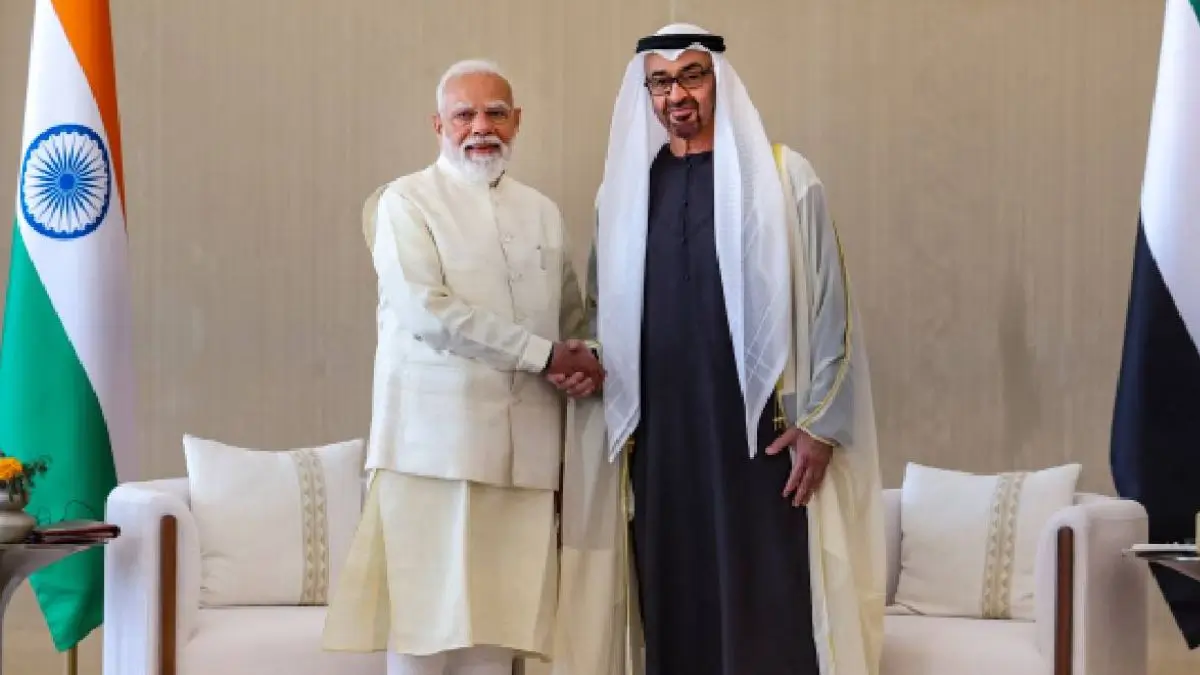
Prime Minister Narendra Modi visited the United Arab Emirates and held high-level discussions with UAE President Mohamed bin Zayed Al Nahyan. During the visit, India and the UAE signed seven major agreements aimed at strengthening bilateral relations in defence, energy, technology, investment, maritime infrastructure, and workforce development. The visit highlighted the growing strategic partnership between the two countries and India’s increasing engagement with the Gulf region.
Strengthening Energy Security Cooperation
One of the most significant agreements signed during the visit was related to strategic petroleum reserves between India and the Abu Dhabi National Oil Company (ADNOC). This agreement is important because India imports a major portion of its crude oil requirements. Strategic petroleum reserves help India maintain emergency oil stocks during global crises or supply disruptions.
The agreement also includes cooperation in crude oil storage, LNG infrastructure, and future energy expansion. At a time when global geopolitical tensions are affecting energy markets, this partnership will strengthen India’s long-term energy resilience and reduce vulnerabilities arising from international conflicts.
Long-Term LPG Supply Agreement
India and the UAE also signed a long-term Liquefied Petroleum Gas (LPG) supply agreement. LPG is widely used in Indian households for cooking fuel and also has industrial applications. A stable LPG supply agreement ensures uninterrupted availability and helps India meet rising domestic energy demand.
The agreement is expected to improve India’s energy planning, reduce supply uncertainty, and strengthen fuel security for millions of households. Stable imports from the UAE may also help India manage price volatility in the global energy market.
Strategic Defence Partnership Framework
A major outcome of the visit was the signing of a Strategic Defence Partnership framework. The agreement focuses on strengthening cooperation in defence manufacturing, military training, cyber security, maritime security, advanced technology, and defence innovation.
The defence agreement reflects the growing trust between India and the UAE. It also indicates that the relationship between the two countries is moving beyond trade and energy into security cooperation and strategic alignment. The partnership may also help India strengthen its defence production capabilities under the “Make in India” initiative.
Maritime Infrastructure and Ship Repair Cluster
Another important agreement involved the development of a ship repair and maritime infrastructure cluster at Vadinar in Gujarat. The project aims to boost India’s maritime ecosystem and port-linked industrial growth.
The proposed maritime cluster is expected to generate employment opportunities, strengthen marine engineering capabilities, and improve India’s competitiveness in global maritime services. The project also aligns with India’s broader efforts to modernize coastal infrastructure and expand maritime trade activities.
Cooperation in Artificial Intelligence and Technology
The agreements signed during the visit also included cooperation in artificial intelligence and advanced technologies. Reports suggest that UAE-backed investment and technology support could help establish advanced AI infrastructure and supercomputing facilities in India.
This collaboration is expected to strengthen India’s digital economy, improve technological innovation, and support research in emerging sectors such as AI, cybersecurity, and data analytics. Such partnerships are becoming increasingly important as countries compete in advanced technology development globally.
UAE Investment Commitment in India
During the visit, the UAE also announced major investment commitments in India. Reports indicate that investments worth nearly $5 billion may flow into sectors such as infrastructure, banking, energy, and technology.
Foreign investments from the UAE are important for India’s economic growth, infrastructure modernization, and employment generation. Increased investment cooperation also reflects international confidence in India’s growing economy and business environment.
Expanding India-UAE Bilateral Relations
India and the UAE share strong economic, strategic, and cultural relations. The UAE is one of India’s largest trading partners in West Asia, and millions of Indians live and work there. Bilateral ties have improved significantly over the past decade through cooperation in trade, defence, renewable energy, counter-terrorism, and infrastructure.
The visit further reinforced the comprehensive strategic partnership between the two countries. Both sides emphasized regional stability, energy cooperation, technological growth, and deeper people-to-people ties.

Why This News is Important
Importance for India’s Energy Security
The agreements signed during the visit are extremely important for India’s energy security. India imports a large percentage of its oil and gas requirements from abroad, especially from Gulf countries. Strategic petroleum reserve agreements and long-term LPG supply arrangements provide stability during international crises and disruptions in oil transportation routes.
These agreements are particularly significant because tensions in West Asia often affect global crude oil prices and shipping routes such as the Strait of Hormuz. A secure partnership with the UAE helps India reduce risks associated with energy supply interruptions.
Strategic and Defence Significance
The defence partnership between India and the UAE is important from a geopolitical perspective. India is increasingly strengthening strategic ties with Gulf nations to enhance regional security cooperation and maritime stability in the Indian Ocean region.
The agreements also support India’s defence modernization efforts, cyber security cooperation, and indigenous defence manufacturing initiatives. For competitive examinations, this development is important in the context of India’s foreign policy, defence diplomacy, and strategic partnerships in West Asia.
Historical Context
Evolution of India-UAE Relations
India and the UAE have maintained strong diplomatic and economic relations for decades. However, bilateral relations witnessed major expansion after 2015, when Prime Minister Narendra Modi became the first Indian Prime Minister in 34 years to visit the UAE.
Since then, the two countries have upgraded ties into a Comprehensive Strategic Partnership with growing cooperation in trade, infrastructure, renewable energy, defence, and technology. The signing of the Comprehensive Economic Partnership Agreement (CEPA) in 2022 further boosted trade relations between the two countries.
Growing Cooperation in Defence and Infrastructure
India and the UAE have steadily increased cooperation in defence exercises, counter-terrorism, maritime security, and intelligence sharing. The UAE has also invested heavily in Indian infrastructure and logistics projects.
Cultural ties have also strengthened significantly. The inauguration of the BAPS Hindu Mandir Abu Dhabi in 2024 became a major symbol of religious harmony and friendship between the two nations.
Key Takeaways from This News
| S.No. | Key Takeaway |
|---|---|
| 1 | India and the UAE signed seven major agreements during PM Narendra Modi’s UAE visit. |
| 2 | Key agreements focused on energy security, LPG supply, defence cooperation, AI technology, and maritime infrastructure. |
| 3 | India and UAE signed a Strategic Defence Partnership framework covering cyber security, maritime security, and military cooperation. |
| 4 | Strategic petroleum reserve and LPG agreements will strengthen India’s long-term energy security. |
| 5 | UAE committed major investments in India, strengthening bilateral economic and strategic relations. |
FAQs Related to PM Modi’s UAE Visit and India-UAE Agreements
1. Which countries signed the seven major strategic agreements?
India and the United Arab Emirates (UAE) signed the seven major strategic agreements during Prime Minister Narendra Modi’s visit to Abu Dhabi.
2. Who is the President of the UAE?
The President of the UAE is Mohamed bin Zayed Al Nahyan.
3. What was the main purpose of PM Modi’s UAE visit?
The visit aimed to strengthen bilateral cooperation in defence, energy security, trade, artificial intelligence, infrastructure, and investment.
4. Which important defence agreement was signed during the visit?
India and the UAE signed a Strategic Defence Partnership Framework focusing on maritime security, cyber defence, military cooperation, and defence manufacturing.
5. What is the significance of the strategic petroleum reserve agreement?
The agreement will help India improve its emergency oil storage capacity and strengthen energy security during global supply disruptions.
6. Which UAE company is associated with India’s petroleum reserve agreement?
The agreement involves Abu Dhabi National Oil Company (ADNOC).
7. What is the importance of the Strait of Hormuz for India?
The Strait of Hormuz is a major global oil shipping route through which a large percentage of India’s crude oil imports pass. Any regional conflict can disrupt supplies and increase fuel prices.
8. Which Indian state is linked to the maritime infrastructure project announced during the visit?
The ship repair and maritime infrastructure cluster project is planned at Vadinar in Gujarat.
9. How much investment did the UAE announce for India?
The UAE announced investment commitments worth approximately $5 billion in Indian infrastructure and financial sectors.
10. Why is this visit important for competitive examinations?
The visit is important for exams because it covers topics related to India’s foreign policy, energy security, international relations, defence cooperation, Gulf diplomacy, and economic partnerships.
Some Important Current Affairs Links