




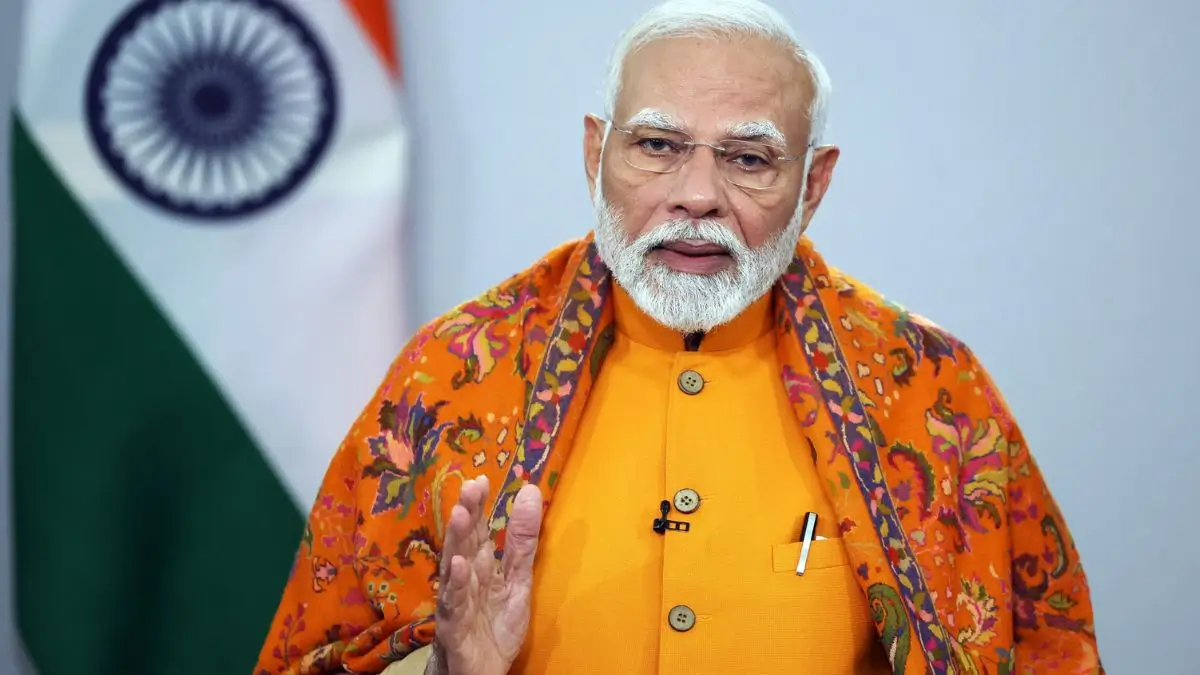
PM Modi CAPF conference 2026 focuses on strengthening internal security, coordination among forces, and tackling terrorism and cyber threats in India.
PM Modi to Lead First-Ever CAPF Conference to Strengthen Internal Security
Introduction to the Landmark Security Initiative
In a significant step toward enhancing India’s internal security framework, Prime Minister Narendra Modi is set to chair the first-ever high-level conference of the Central Armed Police Forces (CAPFs). This landmark initiative reflects the government’s commitment to strengthening coordination among security agencies and addressing emerging national threats.
Objective of the CAPF Conference
The primary aim of this conference is to develop a unified strategy for tackling evolving internal security challenges. The meeting will bring together top leadership from CAPFs, intelligence agencies, and senior police officials to ensure better coordination and operational synergy.
Focus on Emerging Security Threats
India faces a range of complex internal security challenges, including insurgency, left-wing extremism, terrorism, and cyber threats. The conference will focus on creating robust strategies to address these issues effectively. With threats becoming more dynamic, coordinated responses have become essential for maintaining national stability.
Strengthening Inter-Agency Coordination
One of the key highlights of the conference is improving coordination between CAPFs, intelligence agencies like the Intelligence Bureau, and state police forces. Discussions will focus on enhancing intelligence sharing, communication systems, and joint operational planning for faster and more effective responses.
Participation of Key Security Stakeholders
The conference is expected to witness participation from senior officials of CAPFs, the Ministry of Home Affairs, and Indian Police Service officers. High-level leaders, including the Home Minister and National Security Advisor, are also likely to attend, emphasizing the importance of the event in India’s security architecture.
Institutionalising Security Collaboration
This first-of-its-kind initiative aims to move beyond routine discussions and create actionable outcomes. If successful, it could lead to regular high-level meetings, ensuring sustained coordination among various security forces and agencies.

Why This News is Important
Relevance for Government Exam Aspirants
This development is highly important for candidates preparing for competitive exams such as UPSC, SSC, Banking, Railways, Defence, and State PCS exams. Questions related to internal security, CAPFs, and government initiatives frequently appear in current affairs sections.
Boost to National Security Framework
The conference marks a major step toward strengthening India’s internal security framework. By bringing together various agencies under one platform, the government aims to ensure faster decision-making and better coordination in crisis situations.
Focus on Modern Security Challenges
With the rise of cybercrime, hybrid warfare, and cross-border threats, the need for integrated security strategies has become critical. This conference highlights the government’s proactive approach in addressing modern security challenges.
Institutional Reform and Policy Making
The initiative indicates a shift towards institutionalised collaboration in security matters. It may lead to long-term policy reforms, better resource allocation, and improved training for security forces.
Historical Context: Evolution of Internal Security Coordination in India
Development of CAPFs
The Central Armed Police Forces (CAPFs) were established to assist in maintaining internal security, border protection, and counter-insurgency operations. These forces include CRPF, BSF, CISF, ITBP, and SSB, functioning under the Ministry of Home Affairs.
Previous Coordination Mechanisms
Traditionally, coordination among security forces was achieved through meetings such as the DGP/IGP Conference. However, these platforms were broader in scope and not exclusively focused on CAPFs.
Need for Dedicated Platform
With increasing security challenges such as terrorism, left-wing extremism, and cyber threats, the need for a dedicated platform for CAPFs became evident. This conference represents a shift towards specialised and focused discussions on internal security.
Key Takeaways from This News
| S.No. | Key Takeaway |
|---|---|
| 1 | PM Narendra Modi will chair the first-ever CAPF leadership conference in India |
| 2 | The conference aims to strengthen internal security through better coordination |
| 3 | Focus areas include insurgency, extremism, and cyber threats |
| 4 | Intelligence sharing and joint operations will be key discussion points |
| 5 | The initiative may lead to institutionalised security collaboration in future |
Frequently Asked Questions (FAQs)
1. What is the CAPF Conference chaired by Narendra Modi?
It is the first-ever high-level conference of Central Armed Police Forces aimed at strengthening India’s internal security through better coordination and strategy formulation.
2. What are CAPFs in India?
The Central Armed Police Forces (CAPFs) include forces like CRPF, BSF, CISF, ITBP, and SSB, which are responsible for internal security, border management, and counter-insurgency operations.
3. Why is this conference significant?
It marks a major step toward institutionalizing coordination among various security agencies to tackle emerging threats like terrorism, cybercrime, and extremism.
4. Which ministry oversees CAPFs?
CAPFs function under the Ministry of Home Affairs (MHA), Government of India.
5. What are the major security challenges discussed in the conference?
Key challenges include left-wing extremism, terrorism, insurgency, cyber threats, and border security.
6. How is this different from the DGP/IGP Conference?
Unlike the broader DGP/IGP Conference, this meeting specifically focuses on CAPFs and their operational coordination.
7. How is this topic relevant for competitive exams?
Questions on internal security, CAPFs, and government initiatives are frequently asked in UPSC, SSC, Banking, Defence, and State PCS exams.
Some Important Current Affairs Links