







Khasi and Garo official languages in Meghalaya 2026 explained with key facts, impact on governance, Eighth Schedule relevance, MCQs and exam-focused insights.
Meghalaya Recognises Khasi and Garo as Official Languages After Long Demand
Introduction to the Historic Decision
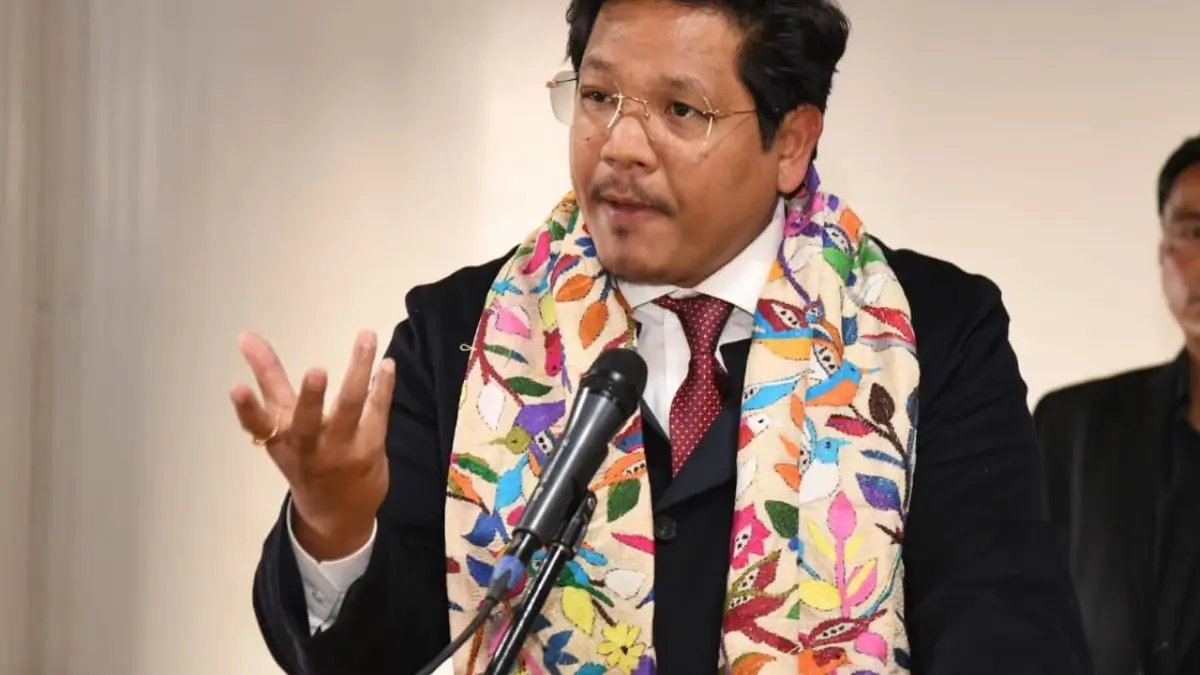
The northeastern state of Meghalaya has taken a landmark step by granting official language status to the Khasi language and Garo language. This decision was approved through the Meghalaya Official Languages Ordinance, 2026 by the state cabinet led by Chief Minister Conrad Sangma.
Shift from English-Only Administration
Earlier, English was the sole official language under the Meghalaya State Language Act, 2005. With the new ordinance, Khasi and Garo have been elevated from associate official languages to full official status. This means government communication, notifications, and administrative processes can now be conducted in all three languages.
Impact on Governance and Administration
The move is expected to improve governance by making official communication more accessible to citizens, especially those in rural and tribal areas who primarily speak Khasi or Garo. It will also allow legislators to use these languages during assembly debates once legal amendments are implemented.
Implications for Education and Examinations
The decision may significantly impact education and recruitment. Competitive examinations and government job tests could be conducted in Khasi and Garo, thereby increasing participation from local communities. This aligns with inclusive governance and language-based accessibility in public services.
Cultural and Political Significance
This step is not just administrative but also symbolic. It strengthens Meghalaya’s demand for inclusion of Khasi and Garo in the Eighth Schedule of the Indian Constitution, which would grant them national recognition. The move reflects the state’s commitment to preserving indigenous identity and linguistic diversity.

Why This News is Important
Boost to Regional Language Recognition
The recognition of Khasi and Garo as official languages highlights the growing importance of regional languages in governance. It reinforces India’s linguistic diversity and aligns with constitutional values promoting inclusivity.
Relevance for Competitive Exams
For aspirants preparing for exams like UPSC, SSC, Banking, and State PSCs, this development is important under topics like Polity, Governance, and Culture. Questions may be asked about official languages, Eighth Schedule demands, and state-specific developments.
Administrative Inclusivity
The decision ensures that governance becomes more citizen-centric. When people can access government services in their native language, it improves participation, transparency, and trust in administration.
Link to Constitutional Provisions
The news connects with constitutional provisions related to languages, such as Articles 343–351 and the Eighth Schedule. It also reflects how states can influence national language policies.
Historical Context
Background of Language Status in Meghalaya
Since its formation in 1972, Meghalaya has been linguistically diverse, with Khasi and Garo being the dominant languages. However, English remained the primary official language for administrative convenience.
Associate Status Before 2026
Before this ordinance, Khasi and Garo were only associate official languages in certain districts. Despite being widely spoken, they lacked full administrative recognition.
Long-standing Demand
There has been a persistent demand from local communities and organizations to elevate these languages. The demand also included inclusion in the Eighth Schedule of the Constitution, which would provide broader recognition and institutional support.
Cultural Identity and Preservation
Both Khasi and Garo languages are deeply tied to the identity of indigenous tribes in Meghalaya. Recognizing them officially helps preserve cultural heritage and promotes linguistic pride.
Key Takeaways from This News
| S.No | Key Takeaway |
|---|---|
| 1 | Meghalaya approved the Official Languages Ordinance, 2026. |
| 2 | Khasi and Garo are now official languages along with English. |
| 3 | The ordinance repeals the Meghalaya State Language Act, 2005. |
| 4 | The move may allow use of these languages in governance, assembly, and exams. |
| 5 | It strengthens the demand for inclusion in the Eighth Schedule of the Constitution. |
FAQs (Frequently Asked Questions)
1. Which state has recently recognised Khasi and Garo as official languages?
Meghalaya has granted official language status to Khasi and Garo in addition to English.
2. What was the earlier official language of Meghalaya?
English was the sole official language under the Meghalaya State Language Act, 2005.
3. Which ordinance approved this change?
The Meghalaya Official Languages Ordinance, 2026 approved the inclusion of Khasi and Garo as official languages.
4. Why is this decision significant for governance?
It improves administrative accessibility and allows citizens to interact with government systems in their native languages.
5. How is this relevant for competitive exams?
It is important for topics like Indian Polity, Governance, Cultural Diversity, and Current Affairs in exams like UPSC, SSC, Banking, and State PSCs.
6. What is the Eighth Schedule of the Constitution?
It is a list of officially recognized languages in India. Inclusion provides cultural and institutional support to languages.
7. Are Khasi and Garo included in the Eighth Schedule?
No, but this move strengthens the demand for their inclusion.
8. How can this impact government exams?
Exams and recruitment processes in Meghalaya may now include Khasi and Garo languages.
9. When was Meghalaya formed?
Meghalaya was formed as a separate state in 1972.
10. Which communities primarily speak Khasi and Garo?
The Khasi and Garo tribal communities in Meghalaya primarily speak these languages.
Some Important Current Affairs Links