






International labour conference 2025 India participation highlights as Shobha Karandlaje represents India at the 114th ILO Conference in Geneva. Learn key facts, labour reforms, international cooperation, exam-relevant points, MCQs, and important takeaways.
India Represents Its Vision at Global Labour Forum
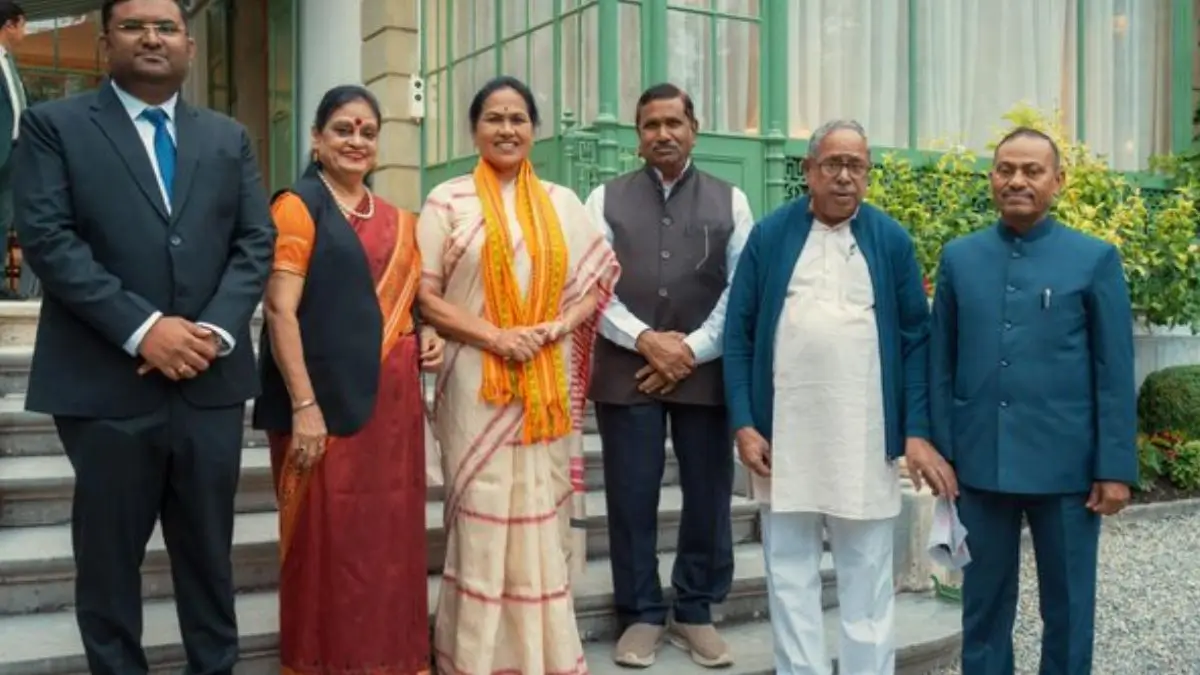
India strengthened its position on the global labour stage as Union Minister of State for Labour and Employment and MSME, Shobha Karandlaje, led the Indian delegation at the 114th International Labour Conference (ILC) held in Geneva, Switzerland. During the conference, India highlighted its commitment to inclusive growth, gender equality, workforce welfare, digital governance, and international labour cooperation.
What is the International Labour Conference?
The International Labour Conference is the highest decision-making body of the International Labour Organization. Often referred to as the “World Parliament of Labour,” it brings together representatives of governments, employers, and workers from member countries to discuss labour standards, employment policies, social protection measures, and workplace rights.
The 114th session of the conference provided a platform for countries to exchange ideas and develop strategies to address emerging labour market challenges in a rapidly changing global economy.
India’s Key Priorities at the Conference
During the conference, India emphasized several important themes that are central to its labour and employment policies.
These included:
- Inclusive and sustainable economic growth
- Gender equality in employment
- Social dialogue among stakeholders
- Skill development and workforce readiness
- Digital transformation of labour services
- International cooperation for worker welfare
India also showcased its progress in creating digital platforms for worker registration, employment matching, and skill development initiatives. These reforms are aimed at improving access to employment opportunities and enhancing labour market efficiency.
Bilateral Cooperation with Nepal
On the sidelines of the conference, India held discussions with Nepal regarding labour cooperation. Meetings focused on skill development, labour mobility, technology sharing, and worker welfare programs.
India reiterated its commitment to strengthening ties with Nepal under its “Neighbourhood First” policy and expanding cooperation in labour-related sectors.
Strengthening Labour Relations with Angola
India also engaged with Angola to explore collaboration in vocational training, workforce planning, social protection systems, employment services, and digital governance.
Such partnerships demonstrate India’s growing role in sharing expertise and best practices in labour administration and workforce management.
India-Mauritius Digital Labour Partnership
Discussions with Mauritius focused on supporting the development of digital public infrastructure for labour and employment services.
Mauritius appreciated India’s achievements in digital governance and labour-related digital platforms. The partnership is expected to promote technology-driven labour administration and workforce services in the region.
Expanding Global Opportunities for Indian Workers
The Indian delegation also held meetings with labour ministers from France, the United Kingdom, South Korea, the United States, and Canada.
Key discussions covered:
- Legal migration pathways
- Mutual recognition of skills
- Demand-driven skilling programmes
- Overseas employment opportunities for Indian professionals
These initiatives are expected to enhance global mobility and employment prospects for India’s skilled workforce.
About the International Labour Organization
The International Labour Organization was established in 1919 as part of the Treaty of Versailles after the First World War. In 1946, it became the first specialized agency of the United Nations.
The organization is headquartered in Geneva, Switzerland, and currently has 187 member states. India is one of its founding members. The ILO works to promote social justice, labour rights, and decent working conditions worldwide.

B) Why This News is Important
Importance for UPSC and State PCS Examinations
This development is highly relevant for UPSC, State PSCs, SSC, Railways, Banking, Defence, and Teaching examinations because international organizations such as the ILO are frequently asked in current affairs and international relations sections. Aspirants should remember the role, headquarters, objectives, and historical significance of the ILO.
India’s Growing Global Influence
India’s participation at the 114th ILC reflects the country’s increasing influence in shaping global labour policies. Through discussions on labour mobility, skill recognition, and workforce development, India is positioning itself as a major contributor to international labour governance.
Significance for Employment and Skill Development
The conference highlighted India’s focus on skilling, digital governance, and employment generation. These topics are directly linked to government initiatives such as Skill India, Digital India, and labour reforms, making them important areas for competitive examinations.
Relevance for International Relations
The bilateral meetings with Nepal, Angola, Mauritius, France, the UK, South Korea, the US, and Canada demonstrate India’s diplomatic engagement beyond traditional political cooperation. Labour diplomacy is emerging as a significant aspect of India’s foreign policy, especially in facilitating overseas employment opportunities for Indian workers.
C) Historical Context
Origin of the International Labour Organization
The International Labour Organization was founded in 1919 following the end of the First World War through the Treaty of Versailles. The founders believed that sustainable peace could only be achieved through social justice and fair treatment of workers.
Integration into the United Nations System
After the dissolution of the League of Nations, the ILO became the first specialized agency of the United Nations in 1946. Since then, it has played a leading role in developing international labour standards and promoting decent work globally.
India’s Long Association with the ILO
India has been associated with the ILO since its inception and is a founding member. Over the decades, India has actively participated in discussions related to labour rights, social security, skill development, and workforce welfare. India’s labour reforms and digital employment initiatives have increasingly gained international attention in recent years.
Evolution of Labour Governance
With globalization, automation, and digital transformation changing employment patterns, labour governance has become a major international issue. Conferences such as the ILC help countries coordinate policies related to migration, skilling, worker protection, and emerging forms of employment.
D) Key Takeaways from This News
Key Takeaways from India’s Participation in the 114th ILO Conference
| S. No. | Key Takeaway |
|---|---|
| 1 | Shobha Karandlaje led India’s delegation at the 114th International Labour Conference in Geneva. |
| 2 | India emphasized inclusive growth, gender equality, workforce welfare, and digital labour governance. |
| 3 | The conference is organized by the International Labour Organization, known as the “World Parliament of Labour.” |
| 4 | India held bilateral discussions with Nepal, Angola, Mauritius, France, the UK, South Korea, the US, and Canada on labour cooperation. |
| 5 | The ILO was established in 1919, became a UN specialized agency in 1946, and India is one of its founding members. |
FAQs: Frequently Asked Questions
1. Who represented India at the 114th International Labour Conference (ILC)?
Union Minister of State for Labour and Employment and MSME, Shobha Karandlaje, represented India at the 114th International Labour Conference held in Geneva, Switzerland.
2. What is the International Labour Conference (ILC)?
The International Labour Conference is the annual meeting of the International Labour Organization (ILO) and is often called the “World Parliament of Labour.”
3. Where is the headquarters of the International Labour Organization (ILO)?
The headquarters of the ILO is located in Geneva, Switzerland.
4. When was the International Labour Organization established?
The ILO was established in 1919 under the Treaty of Versailles after World War I.
5. When did the ILO become a specialized agency of the United Nations?
The ILO became the first specialized agency of the United Nations in 1946.
6. Is India a founding member of the ILO?
Yes, India is a founding member of the International Labour Organization.
7. What were India’s key focus areas at the 114th ILC?
India highlighted:
- Inclusive growth
- Gender equality
- Skill development
- Social dialogue
- Digital labour governance
- Worker welfare
8. Why is the 114th ILO Conference important for India?
The conference provided India an opportunity to showcase labour reforms, strengthen international labour partnerships, and discuss overseas employment opportunities for Indian workers.
9. Which countries held bilateral meetings with India during the conference?
India interacted with:
- Nepal
- Angola
- Mauritius
- France
- United Kingdom
- South Korea
- United States
- Canada
10. Why is the ILO important for competitive examinations?
Questions related to the ILO’s headquarters, establishment year, objectives, members, and current conferences are frequently asked in UPSC, State PSC, SSC, Banking, Railways, Defence, and Teaching examinations.
11. What is meant by labour mobility?
Labour mobility refers to the movement of workers between regions or countries for employment opportunities.
12. What is the significance of digital labour governance?
Digital labour governance improves worker registration, employment services, social security delivery, and transparency through technology-driven platforms.
Some Important Current Affairs Links