






Indian Coast Guard Gender Equality Reforms 2026 bring landmark changes announced by Rajnath Singh, including gender-neutral officer induction, Permanent Appointment opportunities for women, and simplified ex-gratia benefits. Learn key facts, historical background, and exam-focused highlights for UPSC, SSC, Banking, Railways, Defence, and State PSC exams.
Major Policy Reforms Announced for the Indian Coast Guard
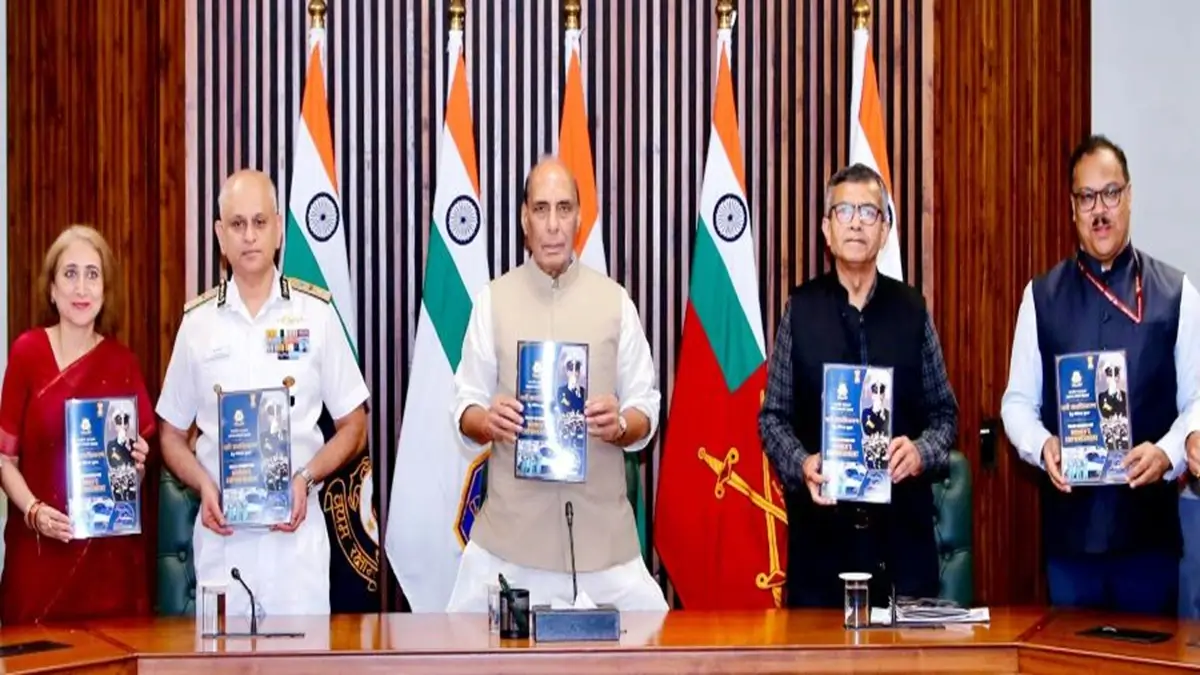
Defence Minister Rajnath Singh has announced two landmark policy reforms for the Indian Coast Guard (ICG), marking an important step towards strengthening the force while ensuring greater inclusivity and welfare for its personnel. The reforms focus on introducing a gender-neutral framework for officer induction and career progression, along with simplifying ex-gratia procedures for the families of Coast Guard personnel reported missing at sea during duty. The announcement was made in New Delhi in the presence of senior officials from the Ministry of Defence and the Indian Coast Guard.
Gender-Neutral Officer Induction
One of the most significant reforms is the introduction of a gender-neutral policy for officer recruitment and service conditions. Under the revised framework, women can now join the Indian Coast Guard through both Short Service Appointments (SSA) and Permanent Appointments (PA) on the same terms as men. Additionally, Short Service Appointments have also been opened for male candidates, creating a more balanced and uniform recruitment structure.
The policy also ensures equal opportunities in training, promotions, and career advancement. Women officers already serving under Permanent Appointments will be eligible for promotions based on merit and service conditions. Those serving under Short Service Appointments can also opt for Permanent Appointment, subject to eligibility requirements. These reforms reflect the government’s commitment to women’s empowerment and equal opportunities in India’s maritime security sector.
Simplified Ex-Gratia Benefits for Families
The second major reform addresses the welfare of families of Coast Guard personnel who go missing at sea while performing official duties. Earlier, families often faced prolonged administrative procedures before receiving financial assistance and terminal benefits.
The new policy authorizes the declaration of missing personnel as “presumed dead” specifically for processing ex-gratia compensation and related benefits. This significantly reduces delays and ensures that the next of kin receive timely financial support during difficult circumstances. The reform is expected to reduce bureaucratic hurdles and provide compassionate assistance to bereaved families.
Strengthening Maritime Security Through Inclusive Policies
While inaugurating the reforms, Rajnath Singh appreciated the Indian Coast Guard’s contribution over the past five decades in safeguarding India’s maritime interests. He expressed confidence that these reforms would enhance the morale, efficiency, and operational capability of the force as it approaches its Golden Jubilee in 2027.
The reforms align with the Government of India’s broader vision of building a modern, technologically advanced, and inclusive defence ecosystem. They also reinforce the “Nari Shakti” initiative by expanding opportunities for women in uniformed services.
Importance for Government Exam Aspirants
This development is particularly important for candidates preparing for UPSC, State PSC, CDS, CAPF, NDA, SSC, Defence, Coast Guard, and other competitive examinations. Questions may be asked regarding:
- Indian Coast Guard reforms
- Gender-neutral recruitment policies
- Permanent Appointment (PA) and Short Service Appointment (SSA)
- Ex-gratia compensation
- Women’s empowerment in defence services
- Ministry of Defence initiatives

B) Why this News is Important
Promoting Gender Equality in Defence Services
The reform represents another major milestone in India’s efforts to increase women’s participation in the armed forces. Equal access to Permanent Appointments and promotions strengthens gender equality in defence institutions and reflects evolving administrative policies supporting women in national security roles.
Improving Welfare of Defence Personnel
The simplified ex-gratia policy is equally significant because it prioritizes the welfare of families of personnel who sacrifice their lives during maritime operations. Faster financial assistance reduces hardship and demonstrates the government’s commitment to supporting defence families.
Exam Relevance
This topic is highly relevant for UPSC Prelims and Mains, State PSC, CDS, CAPF, AFCAT, Coast Guard recruitment, SSC CGL, Banking awareness, and other competitive examinations. Questions may focus on:
- Indian Coast Guard
- Defence reforms
- Women in Armed Forces
- Ex-gratia benefits
- Ministry of Defence initiatives
- Maritime security policies
C) Historical Context
Evolution of the Indian Coast Guard
The Indian Coast Guard was established in 1977 and formally came under the Coast Guard Act, 1978. It functions under the Ministry of Defence and is responsible for maritime law enforcement, coastal surveillance, search and rescue operations, marine environmental protection, anti-smuggling operations, and assistance to the Indian Navy during wartime.
Over the years, the force has expanded considerably due to increasing maritime security challenges, including piracy, illegal fishing, maritime pollution, and coastal security after the 2008 Mumbai attacks.
Women’s participation in the Indian armed forces has gradually increased following policy reforms in the Army, Navy, and Air Force. The latest Coast Guard reforms continue this broader transformation by ensuring equal opportunities for women officers while improving welfare measures for serving personnel and their families.
D) Key Takeaways from This News
Key Takeaways from This News
| S. No. | Key Takeaway |
|---|---|
| 1 | Rajnath Singh announced two major policy reforms for the Indian Coast Guard. |
| 2 | Women are now eligible for both Short Service Appointments (SSA) and Permanent Appointments (PA) on par with men. |
| 3 | Existing women officers on SSA can opt for Permanent Appointment subject to eligibility. |
| 4 | Families of personnel missing at sea will receive ex-gratia benefits through a faster administrative process based on a “presumed dead” provision. |
| 5 | The reforms aim to strengthen gender equality, personnel welfare, and operational effectiveness of the Indian Coast Guard as it approaches its Golden Jubilee in 2027. |
FAQs (Frequently Asked Questions)
1. What are the two major reforms announced by Rajnath Singh for the Indian Coast Guard?
The two reforms include introducing a gender-neutral officer induction policy and simplifying the ex-gratia benefit process for families of Coast Guard personnel reported missing during duty.
2. What is the objective of the gender-neutral officer induction policy?
The policy aims to provide equal opportunities to men and women for recruitment, promotions, training, and career progression in the Indian Coast Guard.
3. What is a Permanent Appointment (PA) in the Indian Coast Guard?
A Permanent Appointment allows an officer to serve in the Indian Coast Guard until retirement, subject to service rules and performance.
4. What is a Short Service Appointment (SSA)?
A Short Service Appointment is a fixed-term commission that allows officers to serve for a specified period, with eligible officers now having the opportunity to apply for Permanent Appointment.
5. What change has been made in the ex-gratia benefit policy?
The government has simplified the process by allowing personnel missing at sea during official duty to be declared “presumed dead” for processing ex-gratia compensation and other financial benefits.
6. Which ministry administers the Indian Coast Guard?
The Ministry of Defence administers the Indian Coast Guard.
7. When was the Indian Coast Guard established?
The Indian Coast Guard was established on 1 February 1977 and functions under the Coast Guard Act, 1978.
8. What are the primary responsibilities of the Indian Coast Guard?
Its responsibilities include maritime law enforcement, coastal security, search and rescue operations, marine environmental protection, anti-smuggling operations, anti-poaching patrols, and assistance to the Indian Navy during wartime.
9. Why are these reforms important for competitive examinations?
These reforms are important because they relate to defence reforms, women empowerment, maritime security, personnel welfare, and government policies, which are frequently asked in UPSC, State PSC, CDS, CAPF, SSC, Railways, Banking, and Defence recruitment exams.
10. Which government initiative do these reforms support?
The reforms support the Government of India’s vision of Nari Shakti (Women Empowerment) and the modernization of India’s defence forces.
Some Important Current Affairs Links