







UNESCO World Heritage Sites Uttar Pradesh 2026: Check the complete list of four UNESCO sites including Sarnath, Taj Mahal, Agra Fort and Fatehpur Sikri with important facts for UPSC, PCS, SSC, Banking, Railways and other government exams.
Uttar Pradesh Strengthens Its Global Heritage Identity
Uttar Pradesh has further enhanced its cultural and historical significance after the inclusion of the Ancient Buddhist Site of Sarnath in the UNESCO World Heritage List during the 48th Session of the World Heritage Committee held in Busan, South Korea. With this recognition, India now has 45 UNESCO World Heritage Sites, while Uttar Pradesh has become home to four UNESCO World Heritage Sites.
The recognition of Sarnath is highly significant for aspirants preparing for UPSC, State PCS, SSC, Banking, Railways, Defence, Teaching, and other competitive examinations, as UNESCO World Heritage Sites are frequently covered in General Studies and Static GK.
What is a UNESCO World Heritage Site?
A UNESCO World Heritage Site is a place recognized by the United Nations Educational, Scientific and Cultural Organization (UNESCO) for possessing outstanding universal cultural or natural value. These sites are protected to preserve humanity’s shared heritage for future generations.
The World Heritage Convention, adopted in 1972, provides the framework for identifying, conserving, and protecting these globally significant sites. Countries nominate eligible sites, which are then evaluated before being inscribed on the World Heritage List.
Complete List of UNESCO World Heritage Sites in Uttar Pradesh (2026)
Following the inscription of Sarnath, Uttar Pradesh now has four UNESCO World Heritage Sites:
| UNESCO World Heritage Site | Location | Year of Inscription | Category |
|---|---|---|---|
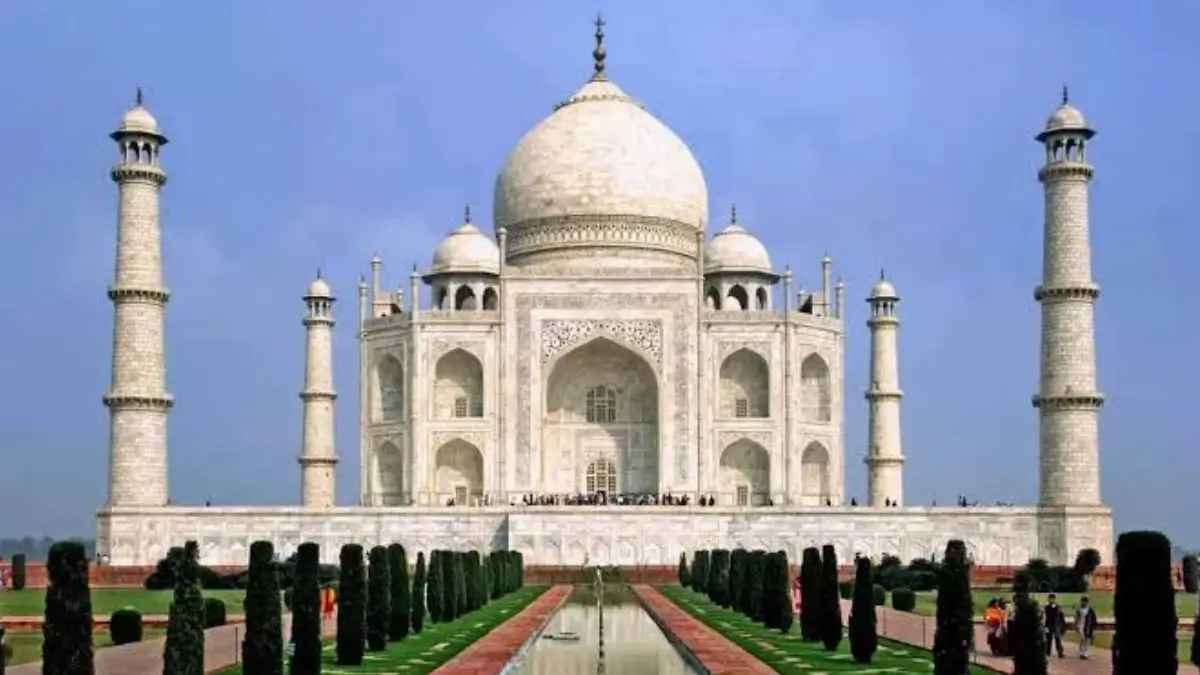
| Taj Mahal | Agra | 1983 | Cultural |
| Agra Fort | Agra | 1983 | Cultural |
| Fatehpur Sikri | Agra District | 1986 | Cultural |
| Ancient Buddhist Site of Sarnath | Varanasi | 2026 | Cultural |
Ancient Buddhist Site of Sarnath: The New Addition
Sarnath occupies a unique position in Buddhist history. According to Buddhist traditions, it is the place where Gautama Buddha delivered his first sermon after attaining enlightenment, marking the beginning of the spread of Buddhism. Over centuries, the site developed into one of the world’s most important Buddhist pilgrimage centres, featuring monasteries, stupas, temples, and archaeological remains.
The UNESCO inscription recognizes the site’s exceptional cultural, archaeological, and religious significance. It also highlights India’s commitment to preserving ancient heritage while promoting sustainable tourism.
Significance for India and Uttar Pradesh
The inclusion of Sarnath has increased India’s total UNESCO World Heritage Sites to 45, strengthening its position among countries with the highest number of World Heritage Sites globally. Uttar Pradesh has also reinforced its position as one of India’s leading heritage destinations, combining Mughal architecture, Buddhist history, and cultural diversity.
The recognition is expected to encourage international tourism, improve conservation initiatives, generate employment, and promote research on India’s ancient civilizations.
Exam Relevance
Questions related to UNESCO World Heritage Sites regularly appear in UPSC, State PCS, SSC CGL, SSC CHSL, Railways, Banking, Teaching, CDS, NDA, and CAPF examinations. Aspirants should remember the names, locations, years of inscription, and the latest addition of Sarnath, as current affairs often become static GK in subsequent examinations.

Why this News is Important
Latest Addition to India’s Heritage List
The inscription of the Ancient Buddhist Site of Sarnath marks one of the most important cultural developments of 2026. It has increased India’s total UNESCO World Heritage Sites from 44 to 45 and elevated Uttar Pradesh’s count from three to four.
Important for Competitive Examinations
UNESCO World Heritage Sites are among the most frequently asked topics in General Awareness, Art & Culture, History, Geography, and Current Affairs sections of government examinations. Candidates are expected to know the latest additions, locations, historical significance, and international organizations associated with heritage conservation.
Cultural Diplomacy and Tourism
UNESCO recognition enhances India’s global cultural image and encourages heritage tourism. It also promotes conservation funding, international cooperation, academic research, and sustainable development around heritage sites.
Preservation of Shared Heritage
The recognition emphasizes the importance of protecting historical monuments and archaeological sites for future generations. It also spreads awareness regarding India’s rich civilizational heritage and strengthens cultural identity at the international level.
Historical Context
UNESCO World Heritage Programme
The UNESCO World Heritage Convention was adopted in 1972 to identify and preserve cultural and natural heritage possessing Outstanding Universal Value. Since then, hundreds of sites worldwide have received recognition for their historical, architectural, archaeological, scientific, and environmental significance.
Heritage of Uttar Pradesh
Before 2026, Uttar Pradesh had three UNESCO World Heritage Sites—Taj Mahal, Agra Fort, and Fatehpur Sikri—all located in or around Agra. Sarnath had remained on UNESCO’s Tentative List for many years before finally securing full inscription in 2026 after meeting UNESCO’s evaluation criteria.
Sarnath’s Historical Importance
Sarnath has been revered for more than 2,500 years as the place where Lord Buddha delivered the Dhammacakkappavattana Sutta, or the First Sermon. It subsequently evolved into a major centre of Buddhist learning under the patronage of Emperor Ashoka and later dynasties, leaving behind magnificent stupas, monasteries, pillars, and sculptures that continue to attract pilgrims and historians worldwide.
Key Takeaways from UNESCO World Heritage Sites in Uttar Pradesh 2026
| S. No. | Key Takeaway |
|---|---|
| 1 | Sarnath became Uttar Pradesh’s fourth UNESCO World Heritage Site in 2026. |
| 2 | India now has 45 UNESCO World Heritage Sites after Sarnath’s inscription. |
| 3 | Sarnath is the place where Gautama Buddha delivered his first sermon after enlightenment. |
| 4 | Uttar Pradesh’s UNESCO sites are Taj Mahal, Agra Fort, Fatehpur Sikri, and Sarnath. |
| 5 | UNESCO World Heritage Sites are important topics for UPSC, State PCS, SSC, Banking, Railways, Defence, and other competitive examinations. |
FAQs: UNESCO World Heritage Sites in Uttar Pradesh 2026
1. How many UNESCO World Heritage Sites are there in Uttar Pradesh in 2026?
After the inclusion of the Ancient Buddhist Site of Sarnath, Uttar Pradesh has a total of four UNESCO World Heritage Sites. These are Taj Mahal, Agra Fort, Fatehpur Sikri, and Sarnath.
2. Which is the latest UNESCO World Heritage Site of Uttar Pradesh?
The Ancient Buddhist Site of Sarnath is the latest UNESCO World Heritage Site of Uttar Pradesh, receiving recognition in 2026.
3. Where is Sarnath located?
Sarnath is located near Varanasi in Uttar Pradesh. It is one of the most important Buddhist pilgrimage sites in the world.
4. Why is Sarnath historically important?
Sarnath is significant because it is the place where Gautama Buddha delivered his first sermon after attaining enlightenment. This event marked the beginning of the spread of Buddhism.
5. How many UNESCO World Heritage Sites are there in India in 2026?
India has 45 UNESCO World Heritage Sites in 2026 after the inclusion of the Ancient Buddhist Site of Sarnath.
6. Which UNESCO World Heritage Sites of Uttar Pradesh are located in Agra?
The three UNESCO World Heritage Sites located in Agra or its nearby region are:
- Taj Mahal
- Agra Fort
- Fatehpur Sikri
7. When was the Taj Mahal included in the UNESCO World Heritage List?
The Taj Mahal was included in the UNESCO World Heritage List in 1983.
8. Which UNESCO World Heritage Site was built by Emperor Akbar?
Fatehpur Sikri was built by Mughal Emperor Akbar during the 16th century and was declared a UNESCO World Heritage Site in 1986.
9. Which organization declares World Heritage Sites?
The United Nations Educational, Scientific and Cultural Organization (UNESCO) declares World Heritage Sites.
10. In which year was the UNESCO World Heritage Convention adopted?
The UNESCO World Heritage Convention was adopted in 1972 to protect cultural and natural heritage sites of outstanding universal value.
11. Which Buddhist ruler contributed to the development of Sarnath?
Emperor Ashoka of the Maurya Empire played an important role in the development and promotion of Sarnath as a Buddhist centre.
12. Why are UNESCO World Heritage Sites important for competitive exams?
UNESCO World Heritage Sites are important for exams because questions related to their location, history, year of inscription, and cultural significance are frequently asked in UPSC, State PCS, SSC, Banking, Railways, Defence, and Teaching examinations.
Some Important Current Affairs Links