







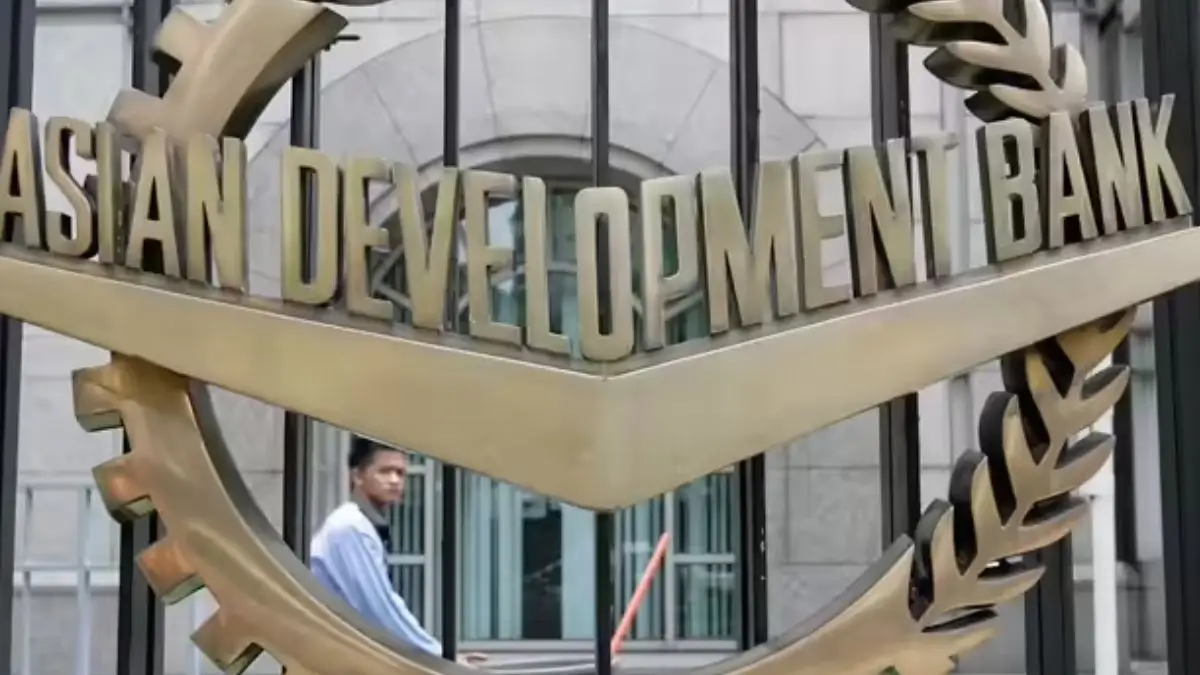
India ADB private sector financing 2026 highlights ADB’s plan to invest $1 billion in India, focusing on renewable energy, green hydrogen, e-mobility, infrastructure development, and financial inclusion.
Introduction
India has once again emerged as the largest private sector market for the Asian Development Bank (ADB), highlighting the country’s growing importance in the global investment landscape. The Manila-based multilateral development bank has announced plans to provide nearly $1 billion in direct private sector financing in 2026. This development reflects international confidence in India’s economic growth, infrastructure expansion, and sustainability-focused development agenda.
ADB Strengthens Its Commitment to India
The Asian Development Bank has significantly increased its engagement with India over the past few years. According to ADB officials, India remained the institution’s largest private sector market in 2025 and is expected to retain that position in 2026. The bank provided more than $4 billion in sovereign financing and over $1 billion in direct private sector financing during the previous year. Additionally, it mobilized substantial funding from external sources, further strengthening investment flows into the Indian economy.
Why India Attracts Large-Scale ADB Investments
India’s rapid economic growth, large consumer market, and ambitious infrastructure goals make it an attractive destination for development finance institutions. The government’s emphasis on sustainable development, renewable energy, digital transformation, and financial inclusion has created numerous investment opportunities.
Several factors contribute to India’s leadership position:
- Strong economic fundamentals
- Expanding infrastructure requirements
- Growth in renewable energy projects
- Increasing digitalization
- Rising demand for sustainable financing
- Supportive investment policies
These factors have encouraged international lenders like ADB to deepen their participation in India’s development journey.
Focus on Renewable Energy Development
Renewable energy continues to be one of the most important sectors receiving ADB support. India has set ambitious targets for clean energy generation and carbon emission reduction. To support these goals, ADB plans to finance projects related to solar power, wind energy, energy efficiency, and renewable infrastructure.
Such investments are expected to help India achieve its climate commitments while ensuring long-term energy security. The growing renewable energy sector also creates employment opportunities and attracts foreign investment.
Green Hydrogen Emerging as a Strategic Sector
Green hydrogen has become a major focus area for future investments. It is considered a clean fuel capable of reducing carbon emissions in industries such as steel manufacturing, chemicals, shipping, and heavy transportation.
India’s National Green Hydrogen Mission has further accelerated interest among domestic and international investors. ADB’s potential support for green hydrogen projects can help India become a global leader in clean energy technologies and sustainable industrial development.
Support for E-Mobility and Green Data Centres
As India witnesses rapid adoption of electric vehicles, ADB is exploring opportunities to finance e-mobility infrastructure and related ecosystems. Investments in charging networks, battery technologies, and electric transportation can contribute significantly to reducing urban pollution.
The bank is also focusing on green data centres, which are becoming increasingly important due to the rapid expansion of India’s digital economy. Sustainable data centres can help reduce carbon emissions while meeting the growing demand for digital services and cloud computing.
Urban Infrastructure and Financial Inclusion
Urbanization in India is increasing rapidly, creating demand for modern infrastructure. ADB’s investments support urban transport systems, water supply projects, waste management initiatives, and sustainable city development.
Alongside infrastructure development, the bank is actively promoting financial inclusion. Its financing initiatives aim to improve access to banking services, credit facilities, and financial products for underserved populations, rural communities, and small businesses. These efforts contribute to poverty reduction and inclusive economic growth.
Partnership with Standard Chartered
ADB recently entered into a partnership with Standard Chartered to strengthen supply-chain financing in India. The collaboration includes risk-sharing arrangements, guarantee facilities, and enhanced financing support for underserved businesses.
This partnership is expected to improve access to working capital for businesses across supply chains and enhance overall economic efficiency. It also represents ADB’s growing commitment to supporting India’s private sector development.
Conclusion
India’s position as ADB’s largest private sector market reflects the country’s strong economic fundamentals, investment-friendly environment, and commitment to sustainable development. The planned $1 billion financing for 2026 is expected to support renewable energy, green hydrogen, e-mobility, infrastructure development, and financial inclusion. For competitive examination aspirants, this development is important from the perspectives of economy, banking, international organizations, sustainable development, and government policies.

Why This News Is Important
Important for Economy and Banking Exams
The announcement highlights India’s growing significance in international development finance. Questions related to ADB, multilateral development banks, foreign investment, and economic development frequently appear in banking examinations such as IBPS, SBI, RBI Grade B, and NABARD.
Relevance for UPSC and State PSC Examinations
UPSC and State Public Service Commission examinations often include questions related to international organizations, economic growth, infrastructure financing, climate action, and sustainable development. Understanding ADB’s role in India’s development can help aspirants answer both preliminary and mains examination questions.
Significance for Sustainable Development
The focus on renewable energy, green hydrogen, electric mobility, and green data centres aligns with India’s climate commitments and sustainable development goals. These sectors are increasingly becoming important topics in competitive examinations due to their role in achieving environmental sustainability.
Impact on Employment and Economic Growth
ADB financing supports infrastructure projects, industrial development, and business expansion, which can create employment opportunities and stimulate economic growth. Such developments are relevant for candidates preparing for civil services, railways, teaching, and defence examinations where current economic issues are frequently discussed.
Historical Context
Formation of the Asian Development Bank
The Asian Development Bank was established in 1966 with the objective of promoting social and economic development across Asia and the Pacific region. Its headquarters is located in Manila, Philippines.
India and ADB Partnership
India has been one of the major beneficiaries of ADB assistance for several decades. The bank has financed numerous projects related to transportation, urban development, energy, agriculture, and social infrastructure.
Shift Towards Private Sector Financing
Traditionally, ADB focused heavily on sovereign lending to governments. However, over the past two decades, the institution has increasingly expanded its private sector operations to mobilize additional capital and accelerate economic development.
Focus on Climate and Green Financing
In recent years, ADB has prioritized climate-resilient infrastructure, renewable energy, and sustainable development projects. India’s ambitious clean energy targets have made it a key destination for such investments.
Key Takeaways from This News
| S.No. | Key Takeaway |
|---|---|
| 1 | India remains ADB’s largest private sector market and is expected to retain this position in 2026. |
| 2 | ADB plans to provide around $1 billion in direct private sector financing to India in 2026. |
| 3 | Major focus areas include renewable energy, green hydrogen, e-mobility, and green data centres. |
| 4 | ADB continues to support urban infrastructure development and financial inclusion initiatives in India. |
| 5 | ADB’s partnership with Standard Chartered aims to strengthen supply-chain financing and improve access to working capital for businesses. |
FAQs: India Remains ADB’s Largest Private Sector Market
1. What is the Asian Development Bank (ADB)?
The Asian Development Bank (ADB) is a regional development finance institution established in 1966 to promote economic and social development in Asia and the Pacific. Its headquarters is located in Manila, Philippines.
2. Where is the headquarters of ADB located?
ADB is headquartered in Manila, Philippines.
3. Which country is ADB’s largest private sector market?
India is currently ADB’s largest private sector market and is expected to maintain this position in 2026.
4. How much private sector financing does ADB plan to provide to India in 2026?
ADB aims to provide approximately $1 billion in direct private sector financing to India in 2026.
5. What are the major sectors targeted by ADB investments in India?
Key sectors include renewable energy, green hydrogen, electric mobility (e-mobility), green data centres, urban infrastructure, and financial inclusion.
6. What is sovereign financing?
Sovereign financing refers to loans and financial assistance provided directly to national governments or government-backed agencies.
7. What is private sector financing?
Private sector financing involves investments, loans, guarantees, or equity support provided to private companies and institutions.
8. What is the National Green Hydrogen Mission?
The National Green Hydrogen Mission is an initiative launched by the Government of India to make the country a global hub for the production, utilization, and export of green hydrogen.
9. Why is green hydrogen important?
Green hydrogen is a clean fuel produced using renewable energy. It helps reduce carbon emissions from industries and supports climate change mitigation efforts.
10. Why is this topic important for competitive examinations?
This topic is important because questions related to international organizations, economic development, sustainable finance, renewable energy, and climate initiatives are frequently asked in UPSC, State PSC, Banking, SSC, Railways, Defence, and Teaching examinations.
Some Important Current Affairs Links