






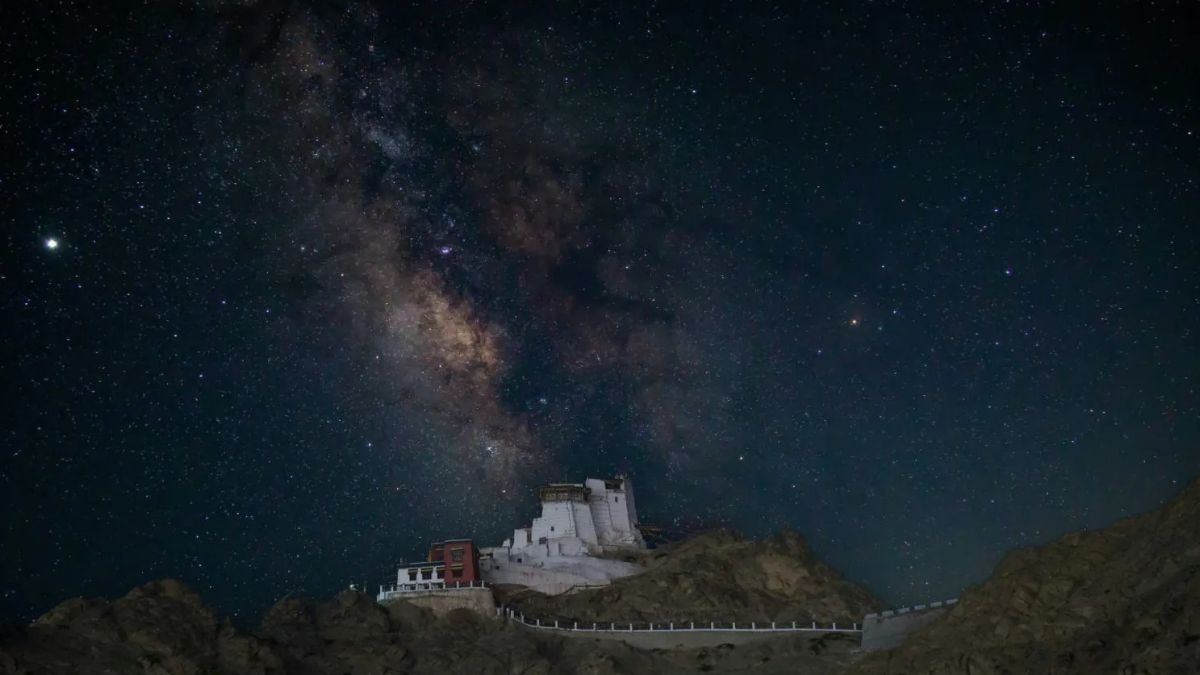
Astro tourism in Ladakh gets a major boost with the region’s first astronomy festival in 2025, organized with the Indian Institute of Astrophysics to promote science and stargazing.
Ladakh Launches First-Ever Astro Tourism Festival to Boost Scientific Tourism
Ladakh recently hosted its inaugural Astro Tourism Festival in Leh—a groundbreaking event aimed at merging science with tourism to showcase the region’s superb potential as an astro-tourism hotspot. Organized by the UT Ladakh Tourism Department in partnership with the Indian Institute of Astrophysics (IIA), Bengaluru, the two-day festival ran from June 27–28, 2025
Ideal Location for Astronomy Enthusiasts
Characterized by its high-altitude terrain, arid climate, and minimal light pollution, Ladakh is uniquely suited for high-quality celestial observation. The nearby Hanle Dark Sky Reserve, home to the Indian Astronomical Observatory, sits at an elevation of 4,500 meters—making it one of the highest and clearest sites in the world for optical and infrared astronomy
Scientific & Cultural Activities
The festival featured expert talks delivered by astrophysicists from esteemed institutions like ISRO, IIA, and Kashmir University. These sessions were held at the District Panchayat Resource Centre in Agling and Ladakh University’s Taru campus. Topics included planetary science, constellation identification, and India’s Chandrayaan lunar missions
Hands-On Observation Experience
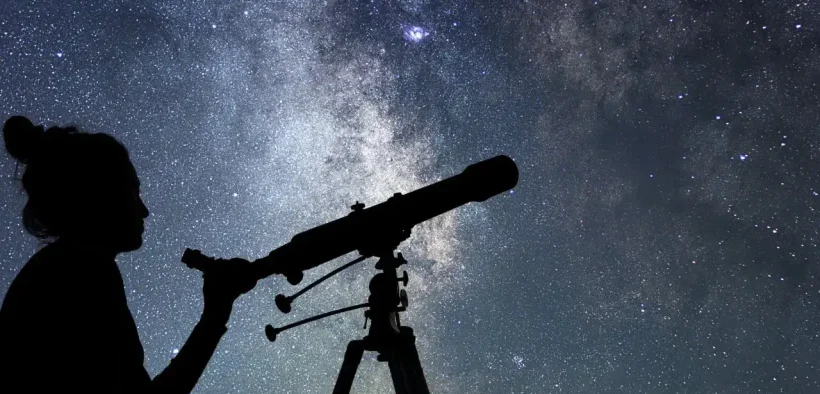
Attendees had opportunities to engage in telescope-guided star gazing, spotting key constellations, planets, and deep-sky objects. The pristine skies of Leh allowed for crystal-clear views of the Milky Way and other celestial marvels
Inspiring Tomorrow’s Scientists
A focused segment was organized for students from local government schools in Leh, aiming to cultivate scientific curiosity and scientific temperament among Ladakhi youth. Educational outreach involved interactive sessions, Q&A rounds, and real-time space observations
Emphasizing Sustainable Science Tourism
By promoting astro-tourism, Ladakh is pioneering an eco-friendly form of scientific tourism. The event underscores careful exploration of astronomy while conserving the region’s dark-sky ecology, helping visitors grasp the significance of reducing light pollution
Why This News Matters
A New Dimension to Regional Tourism
Ladakh’s first Astro Tourism Festival introduces a fresh paradigm in tourism—scientific tourism—which highlights astronomical observation and environmental preservation. This places Ladakh on the global map as a leading astro-tourism destination
Promotion of Science Learning
The festival is a strategic move to spark scientific interest among young minds, especially local students, aligning with the National Education Policy’s emphasis on fostering curiosity and STEM-based learning.
Supports National Space Ambitions
Featuring talks on Chandrayaan missions, the event connects with India’s broader space goals, hence reinforcing national pride in the country’s space exploration achievements—valuable content for exam topics under current affairs and science & technology.
Boost to Regional Development
Astro-tourism promotes sustainable and low-impact development in Ladakh. It helps diversify the region’s economy, benefiting communities through responsible travel and scientific engagement.
Historical Context: Ladakh & Astronomy
Ladakh’s suitability for astronomy traces back to the creation of the Indian Astronomical Observatory (IAO) at Hanle. Established in the 1990s and operational since 2001, IAO is one of the highest optical observatories globally, offering excellent observing conditions due to high altitude, low humidity, and minimal artificial lighting
In September 2022, the region of Hanle was officially designated as India’s first Dark Sky Reserve, further conserving conditions ideal for astronomy and wildlife preservation
This festival marks Ladakh’s expanded role—from research and conservation to being an educational and tourist hub, indicating a maturing astro-tourism ecosystem.
Key Takeaways from Ladakh’s Astro Festival
| Sl No. | Key Takeaway |
|---|---|
| 1 | First-ever Astro Tourism Festival in Ladakh held June 27–28, 2025 to promote astro-tourism |
| 2 | Jointly organized by UT Ladakh Tourism Dept and Indian Institute of Astrophysics, Bengaluru |
| 3 | Venue leveraged high-altitude, low-pollution skies; included Hanle Dark Sky Reserve region |
| 4 | Expert sessions by ISRO, IIA, Kashmir University; covered Chandrayaan missions and astrophotography |
| 5 | Activities included telescope-guided stargazing, student engagement, and sustainable tourism education |
FAQs: Frequently Asked Questions
Q1. What is the significance of Ladakh’s first Astro Tourism Festival?
The festival highlights Ladakh’s unique position for astronomy-based tourism due to its high altitude, clear skies, and minimal light pollution. It promotes scientific awareness, tourism, and regional development.
Q2. Where was the Astro Tourism Festival in Ladakh held?
The festival was held in Leh, Ladakh, with activities spread across locations like Agling and Taru campuses, near the Hanle Dark Sky Reserve.
Q3. Who organized the Ladakh Astro Tourism Festival?
It was jointly organized by the UT Ladakh Tourism Department and the Indian Institute of Astrophysics (IIA), Bengaluru.
Q4. What kind of events took place during the festival?
The event featured expert astrophysics talks, telescope-guided star gazing, interactive student sessions, and public awareness activities on space science and environmental sustainability.
Q5. Why is Hanle considered ideal for astronomy?
Hanle is home to the Indian Astronomical Observatory and is India’s first Dark Sky Reserve. Its elevation (~4,500 m) and clear, dry skies provide excellent conditions for celestial observation.
Q6. How does this event help aspirants preparing for competitive exams?
The news connects to important exam themes like scientific innovation, regional development, tourism, education outreach, and India’s space programs—frequent topics in GK, Science & Tech, and Environment sections.
Some Important Current Affairs Links