











Garcinia kusumae discovery Assam: A new evergreen tree species discovered in Baksa, Assam by Dr. Jatindra Sarma, named after his mother. Learn its scientific details, local uses, and importance for UPSC, SSC, and other exams.
New Tree Species Discovered in Assam: Garcinia kusumae
Introduction: A Botanical Breakthrough
In July 2025, botanists unveiled Garcinia kusumae, a previously unknown tree species found in Assam’s Baksa district. Discovered by Dr. Jatindra Sarma, Chairman of Assam’s State Expert Appraisal Committee, the tree has been named in honor of his mother, Kusum Devi his dedication follows a tradition, as Dr. Sarma previously named new species after his family members—including his wife, daughter, and father—making this the fourth such instance .
Taxonomy & Scientific Details
- Scientific Name: Garcinia kusumae
- Genus: Garcinia (Clusiaceae family)
- Local Name: “Thoikora”
- Collaborators: Dr. Hussain A. Barbhuiya, BARC Mumbai
The species was formally described in the peer-reviewed journal Feddes Repertorium, enhancing its scientific recognition
Distinguishing Characteristics
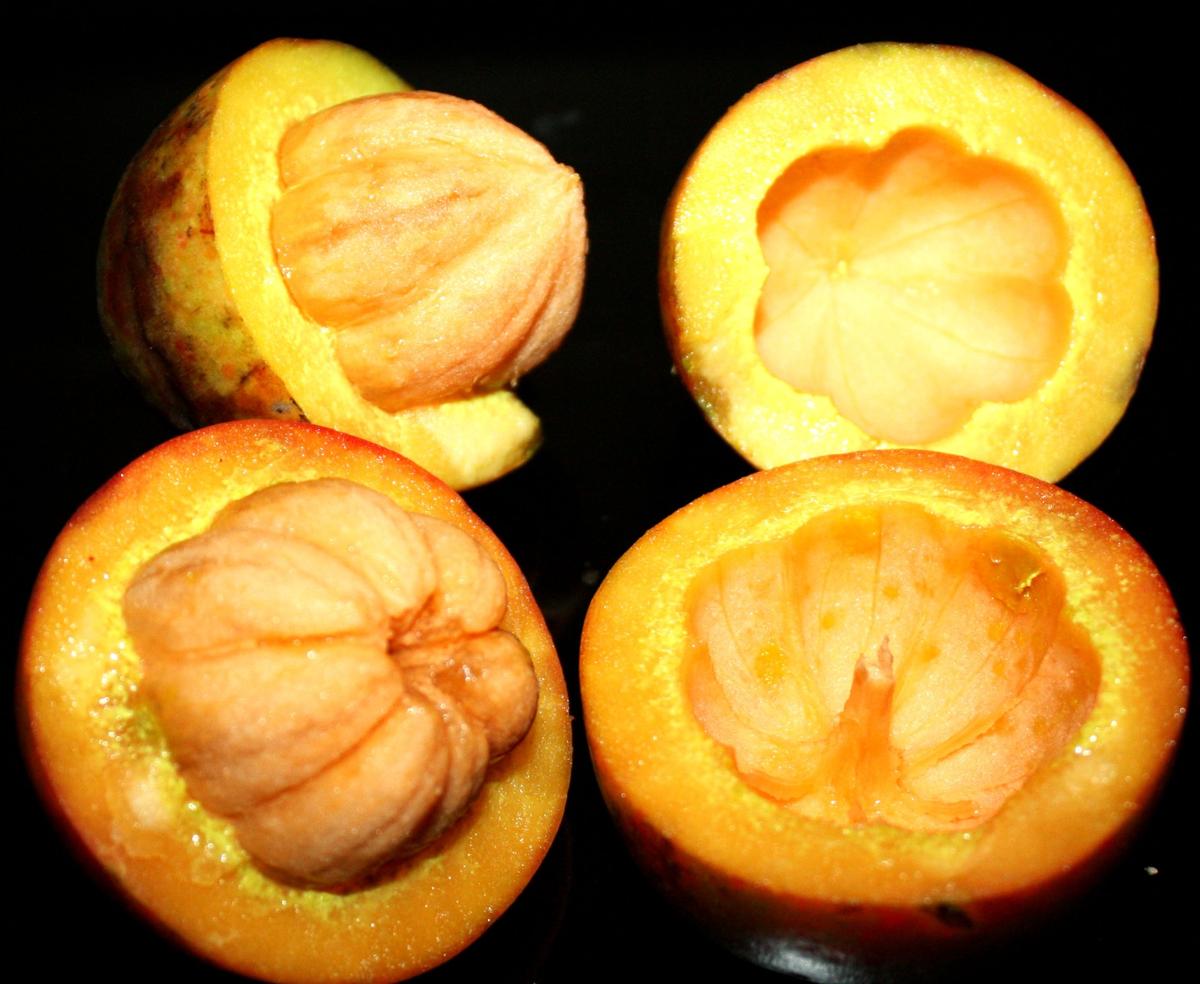
This evergreen tree reaches up to 18 m in height, with separate male and female specimens (dioecious). It blooms from February to April and fruits between May and June
Key features:
- Terminal clusters (fascicles) with up to 15 male flowers per bunch
- Resinous black exudate on fruits
- Morphologically related to species like G. assamica, G. cowa, and G. succifolia
Traditional Uses & Cultural Importance
Locally, the dried pulp is used in refreshing coolers, fish curries, and traditional remedies for ailments like diabetes and dysenteryThe fruit’s aril—a slightly sweet-sour edible part—is consumed with salt, chillies, and mustard oil during warm seasons.
Assam’s Botanical Significance
Assam is recognized as a biodiversity hotspot in India, being home to 12 out of 33 national species of Garcinia and three distinct varietiesThe discovery of G. kusumae further underscores Assam’s critical role in botanical exploration and conservation.
Why This News Matters for Exam Aspirants
Relevance Across Exam Categories
The discovery of Garcinia kusumae is a prime topic for exams such as SSC, UPSC, State PSCs, Railways, Banking, and Defence services. It falls under key subjects: Environment, Biodiversity, Ecology, and Scientific Advances.
Biodiversity & Conservation Insight
Understanding new species enriches insight into India’s biodiversity. Assam’s forests are vital for ecological studies and environmental protection—contemporary themes in general awareness sections.
Integrating Culture with Science
Naming species after individuals adds a human narrative to scientific endeavours. Aspirants should grasp these links, as they often feature in both static and current affairs sections.
Enhancing Answer Quality
Including specifics—the scientific and local names, discoverer’s identity, location, taxonomy, traditional uses, and published source—can significantly elevate written responses in exams.
Encouraging Analytical Thought
Beyond memorization, aspirants are prompted to analyze:
- Why Assam is a botanical hotspot
- Significance of dioecious ecosystems
- Role of scientific journals like Feddes Repertorium
Such analysis aligns with higher-level question formats in UPSC and other exams.
Historical Context: Assam’s Botanical Exploration
Assam’s Legacy as a Naturalist’s Pavilion
From British-era catalogues to modern surveys, Assam has long served as a repository of botanical richness. Discoveries in the Garcinia genus date back years—for instance, Garcinia assamica was described near Manas National Park
Northeast’s Role in Biodiversity
The Indian Northeast is among 34 global biodiversity hotspots, largely due to its varied landscape, endemic species, and cultural knowledge of plant uses. The discovery of G. kusumae highlights ongoing, focused scientific surveys (e.g., the Assam Tree Survey 2025).
Research Methodology and Publication
New species undergo rigorous analysis—herbarium preparation, morphological comparison, peer-reviewed publication. G. kusumae appeared in Feddes Repertorium, affirming scientific credibility .
Key Takeaways from “Garcinia kusumae Discovery”
| S.No | Key Takeaway |
|---|---|
| 1️⃣ | Garcinia kusumae is a new evergreen tree species discovered in Baksa, Assam (Feb–June) |
| 2️⃣ | Named to honor botanist Jatindra Sarma’s mother, Kusum Devi; fourth species named by him after family members |
| 3️⃣ | Tree grows up to 18 m, dioecious, blooms Feb–Apr, fruits May–June; fruit has black resin |
| 4️⃣ | Uses include local beverages, culinary uses, and remedies for diabetes and dysentery |
| 5️⃣ | Discovery published in peer-reviewed Feddes Repertorium; co-authored by Hussain A. Barbhuiya (BARC) |
FAQs: Frequently Asked Questions
Q1. What is Garcinia kusumae?
Garcinia kusumae is a newly discovered evergreen tree species belonging to the Garcinia genus. It was found in the Baksa district of Assam.
Q2. Who discovered Garcinia kusumae and why is it named so?
It was discovered by Dr. Jatindra Sarma, who named it in honor of his mother, Kusum Devi. This follows his pattern of naming species after family members.
Q3. What is the significance of Assam in the botanical field?
Assam is a rich biodiversity hotspot and home to 12 out of 33 national Garcinia species. The discovery of G. kusumae adds to Assam’s ecological importance.
Q4. Where was this discovery published?
The scientific description of Garcinia kusumae was published in the peer-reviewed botanical journal Feddes Repertorium.
Q5. What are the uses of Garcinia kusumae?
Locally, its fruit pulp is used in beverages, fish curries, and traditional medicines for ailments like diabetes and dysentery.
Q6. What is the local name of the tree?
The tree is locally known as “Thoikora” in Assam.
Q7. In what months does Garcinia kusumae bloom and bear fruit?
It blooms from February to April and bears fruit between May and June.
Q8. What is the tree’s classification in terms of reproductive nature?
The tree is dioecious, meaning male and female flowers grow on separate trees.
Q9. How tall does Garcinia kusumae grow?
It can grow up to 18 meters tall.
Q10. Which institutions or individuals were involved in the discovery?
The species was co-authored by Dr. Hussain A. Barbhuiya of BARC, Mumbai, along with Dr. Jatindra Sarma.
Some Important Current Affairs Links




