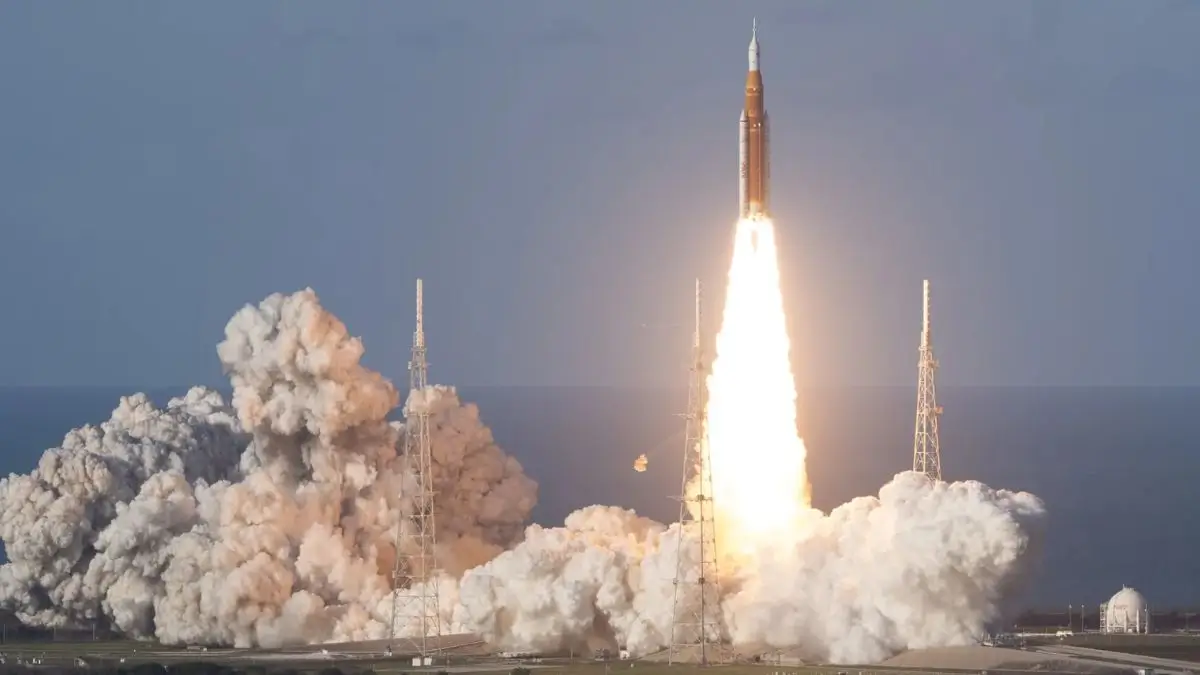








ISRO space lab Arunachal Pradesh inaugurated at Mechuka school to enhance STEM education and rural scientific learning, fostering innovation and inspiring students for government exams.
ISRO Inaugurates Space Laboratory in Remote Arunachal Pradesh District
Hands-On Space Science Reaches Remote Mechuka
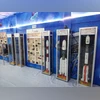
On August 16, 2025, the Indian Space Research Organisation (ISRO), in collaboration with the Muskaan Foundation, inaugurated the Pasang Wangchuk Sona ISRO Space Laboratory at the Mechuka Government Higher Secondary School in Shi-Yomi district, Arunachal Pradesh Located in a geographically remote region near the India-China border, this development represents a meaningful stride toward integrating cutting-edge scientific infrastructure in underserved areas
Vision and Educational Strategy
The state-of-the-art laboratory is envisioned to serve as a practical learning hub, providing students with immersive exposure to space science and technology, including hands-on experiments and innovative learning modules Its aim is to cultivate curiosity, innovation, and scientific thinking among rural youth, thereby sowing the seeds for future engagement in STEM (Science, Technology, Engineering, Mathematics) fields.
Honouring Educational Legacy
The facility has been named after Pasang Wangchuk Sona, the late father of Education Minister Pasang Dorjee Sona, in tribute to his lifelong conviction in the transformative power of education At the inauguration, Minister Sona expressed deep personal pride, hoping that the lab becomes a beacon where students “dream bigger, explore science fearlessly, and reach for the stars”
Bridging Educational Inequality
Arunachal Pradesh often faces challenges in accessing advanced educational infrastructure due to its terrain and remoteness By setting up such a laboratory in Mechuka, ISRO is sending a clear message: scientific opportunities should not be limited by geography. This aligns with broader national goals to reduce the urban–rural divide in education
ISRO’s Broader Outreach Mission
This initiative is part of ISRO’s larger mission to cultivate scientific literacy and build an early pipeline of future scientists, especially in underdeveloped regionshrough collaborations with state governments and NGOs like Muskaan Foundation, such space labs and innovation hubs aim to nurture grassroots-level engagement with space science.
 "ISRO space lab Arunachal Pradesh")
Why This News Is Important
Enhancing STEM Learning in Rural India
The inauguration of the ISRO-backed space lab in Mechuka brings dramatic new learning opportunities to rural students who previously had limited access to such advanced infrastructure. This exposure is critical for encouraging STEM careers among youth in remote areas.
Promoting Social Inclusion and Equity
By embedding high-end scientific facilities in remote schools, India is taking steps to bridge educational gaps between urban and remote regions—an equity move crucial for holistic national development and civic empowerment.
Building a Science-Ready Citizenry
Effective outreach by ISRO fosters a future generation sensitised to scientific inquiry, which benefits domains like defence, railways, banking (technical innovation), teaching, and governance. Civil services aspirants (like PSCS, IAS officers) must understand such policy interventions.
Inspirational Leadership and Local Legacy
Naming the lab after Pasang Wangchuk Sona not only humanises the project but also highlights the powerful role that education-believing leadership—both personal and institutional—plays in inspiring community transformation.
Model for National Replication
This initiative can serve as a scalable model for other remote regions. Government schemes aiming to develop rural areas—across various sectors—can draw lessons from this successful collaboration between ISRO and NGOs.
Historical Context
ISRO’s Educational Outreach Track Record
Since its formation in 1969, ISRO has steadily expanded not only its scientific missions but also its capacity-building and educational outreach programsExamples include student satellite programs and Space Innovation Centres in tier-2 cities
The Muskaan Foundation’s Role
Though ISRO provides the technical expertise, partnerships such as the one with Muskaan Foundation enable effective local implementation. This NGO collaboration model strengthens project outreach in inaccessible areas.
Evolving Science Infrastructure in Northeast India
The northeastern states, including Arunachal Pradesh, have traditionally lagged behind due to geography and infrastructure constraints. The Mechuka lab signifies a shift—showing that even the most remote regions can now access modern scientific learning facilities.
Key Takeaways from ISRO-Muskaan Space Lab Initiative
| Serial No. | Key Takeaway |
|---|---|
| 1. | Date & Place: On August 16, 2025, the space lab was inaugurated at Mechuka Government Higher Secondary School, Shi-Yomi district, Arunachal Pradesh. |
| 2. | Collaborators: The initiative is a collaboration between ISRO and the Muskaan Foundation, with support from the state government. |
| 3. | Purpose: Designed to offer practical learning in space science and technology, enhancing STEM engagement in rural areas. |
| 4. | Naming Significance: Named after Pasang Wangchuk Sona, the late father of Education Minister Pasang Dorjee Sona, honouring his education advocacy. |
| 5. | Broader Impact: Represents ISRO’s commitment to inclusive scientific education, empowering remote youth and inspiring future policymakers and scientists. |
FAQs: Frequently Asked Questions
Q1. What is the name of the ISRO-backed space laboratory inaugurated in Arunachal Pradesh?
A1. The laboratory is named Pasang Wangchuk Sona ISRO Space Laboratory.
Q2. Where is the space laboratory located?
A2. It is located at Mechuka Government Higher Secondary School, Shi-Yomi district, Arunachal Pradesh.
Q3. Which organization collaborated with ISRO to set up the laboratory?
A3. The laboratory was established in collaboration with the Muskaan Foundation.
Q4. Why is the laboratory named after Pasang Wangchuk Sona?
A4. The lab is named in honor of the late father of Education Minister Pasang Dorjee Sona, recognizing his lifelong commitment to education.
Q5. What is the main purpose of the space laboratory?
A5. The laboratory aims to provide hands-on learning in space science and technology and to encourage STEM education among students in remote areas.
Q6. How does this initiative benefit students in Arunachal Pradesh?
A6. It bridges the urban-rural educational divide, enhances scientific curiosity, and provides exposure to advanced technology and experiments.
Q7. Which sector aspirants can benefit from this news for exams?
A7. Students preparing for civil services (IAS/PSCS), banking, railways, defence, police, and teaching positions can benefit from this knowledge.
Some Important Current Affairs Links