


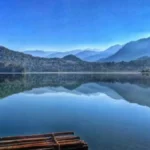








Glaw Lake Ramsar Site has become Arunachal Pradesh’s first Ramsar Site, taking India’s Ramsar Sites tally to 101. Know its importance, Ramsar Convention details, wetland conservation facts, and exam-related points for UPSC, PSC, SSC, Banking, Railways and Defence exams.
A Landmark Achievement for Wetland Conservation
India has achieved another significant milestone in environmental conservation with the inclusion of Glaw Lake in Arunachal Pradesh as the country’s 101st Ramsar Site. This recognition makes Glaw Lake the first Ramsar Site in Arunachal Pradesh, highlighting the ecological importance of the state’s unique wetland ecosystem. The announcement reflects India’s continued commitment to conserving wetlands under the international Ramsar Convention.
What is a Ramsar Site?
A Ramsar Site is a wetland recognized as being of international importance under the Ramsar Convention on Wetlands, an international treaty signed in Ramsar, Iran, in 1971. These wetlands are identified based on their ecological, hydrological, botanical, zoological, and biodiversity significance. The designation encourages sustainable use and conservation while maintaining the ecological character of wetlands. India became a party to the Ramsar Convention in 1982.
Why Glaw Lake is Ecologically Significant
Glaw Lake is located in the ecologically rich Himalayan region of Arunachal Pradesh. The wetland supports diverse flora and fauna, acts as an important freshwater ecosystem, and contributes to groundwater recharge, climate regulation, and biodiversity conservation. It also provides habitat for aquatic species and migratory birds, making it valuable from both ecological and environmental perspectives. The Ramsar designation is expected to strengthen conservation efforts and promote sustainable management of the lake.
India’s Expanding Ramsar Network
With the addition of Glaw Lake, India now has 101 Ramsar Sites, demonstrating rapid progress in wetland conservation. Earlier in 2026, Jai Prakash Narayan Bird Sanctuary (Surha Tal) in Uttar Pradesh became India’s 100th Ramsar Site. The increasing number of Ramsar Sites reflects India’s efforts to protect biodiversity, improve water security, and support climate resilience through wetland conservation.
Importance of Wetlands
Wetlands are among the most productive ecosystems on Earth. They help in flood control, groundwater recharge, carbon sequestration, water purification, and providing habitat for countless species. Healthy wetlands also support local livelihoods through fisheries, agriculture, tourism, and traditional cultural practices.
Government’s Conservation Efforts
The Government of India has been strengthening wetland conservation through scientific management, community participation, restoration programmes, and policy initiatives. Ramsar recognition provides international visibility, encourages better conservation planning, and can attract technical and financial support for sustainable management.
Exam Relevance
This development is highly important for UPSC, State PSC, SSC, Banking, Railways, Defence, Forest Services, and various teaching examinations. Questions may be asked regarding Ramsar Sites, Ramsar Convention, India’s Ramsar tally, environmental treaties, biodiversity conservation, wetlands, and important protected areas.

B) Why This News is Important
Important from the Prelims Perspective
The declaration of Glaw Lake as India’s 101st Ramsar Site is a significant current affairs topic for competitive examinations. Questions frequently appear on Ramsar Sites, important environmental conventions, biodiversity hotspots, and protected areas.
Important for Mains Examination
For UPSC and State PSC Mains, this topic is relevant under Environment, Ecology, Biodiversity Conservation, Climate Change, Sustainable Development, and International Environmental Agreements. Candidates can use this example while writing answers on conservation strategies and ecosystem protection.
Environmental Significance
Wetlands perform several ecological functions including carbon storage, water purification, flood mitigation, groundwater recharge, and habitat protection. Their conservation directly contributes to achieving Sustainable Development Goals (SDGs), climate adaptation, and biodiversity conservation.
Policy Importance
The Ramsar designation highlights India’s growing emphasis on environmental governance, community participation, and sustainable management of natural resources. It also strengthens India’s global reputation in biodiversity conservation and environmental protection.
C) Historical Context
Origin of the Ramsar Convention
The Ramsar Convention was adopted in 1971 in the city of Ramsar, Iran, as an international treaty dedicated to the conservation and wise use of wetlands. India joined the Convention in 1982, committing itself to protecting wetlands of international importance.
India’s Journey in Wetland Conservation
India has steadily expanded its network of Ramsar Sites over the past decade. Improved scientific assessment, policy reforms, and public awareness have contributed to the rapid increase in internationally recognized wetlands. The recognition of Glaw Lake as the 101st Ramsar Site follows the designation of Jai Prakash Narayan Bird Sanctuary as the 100th Ramsar Site in June 2026.
Growing Importance of Wetlands
Increasing concerns about climate change, biodiversity loss, floods, droughts, and water security have made wetland conservation a national priority. Ramsar recognition helps ensure long-term ecological protection while encouraging sustainable development and community participation.
D) Key Takeaways from This News
| S. No. | Key Takeaway |
|---|---|
| 1 | Glaw Lake has become Arunachal Pradesh’s first Ramsar Site. |
| 2 | It is India’s 101st Ramsar Site under the Ramsar Convention. |
| 3 | Ramsar Sites are wetlands recognized for their international ecological importance. |
| 4 | India became a member of the Ramsar Convention in 1982 after the treaty was signed in Ramsar, Iran, in 1971. |
| 5 | Wetlands play a vital role in biodiversity conservation, flood control, groundwater recharge, carbon storage, and climate resilience. |
Frequently Asked Questions (FAQs)
1. What is the significance of Glaw Lake becoming a Ramsar Site?
Glaw Lake becoming a Ramsar Site is significant because it has been recognized as a wetland of international importance. It highlights the ecological value of Arunachal Pradesh’s wetlands and strengthens conservation efforts for biodiversity, water resources, and sustainable ecosystem management.
2. Which is the first Ramsar Site of Arunachal Pradesh?
Glaw Lake is the first Ramsar Site of Arunachal Pradesh. Its inclusion in the Ramsar list marks an important achievement for wetland conservation in the northeastern state.
3. What is the total number of Ramsar Sites in India after the inclusion of Glaw Lake?
After the inclusion of Glaw Lake, India’s total number of Ramsar Sites has increased to 101.
4. What is a Ramsar Site?
A Ramsar Site is a wetland area recognized as being of international importance under the Ramsar Convention. These sites are identified for their ecological, biological, hydrological, and environmental significance.
5. When was the Ramsar Convention signed?
The Ramsar Convention was signed on 2 February 1971 in Ramsar, Iran. It is one of the oldest international agreements focused on environmental conservation.
6. When did India become a member of the Ramsar Convention?
India became a party to the Ramsar Convention in 1982 and has since been working towards protecting wetlands of international importance.
7. Why are wetlands important for the environment?
Wetlands help in flood control, groundwater recharge, water purification, carbon storage, climate regulation, and providing habitats for several plant and animal species.
8. Which ministry is responsible for Ramsar Sites and wetland conservation in India?
The Ministry of Environment, Forest and Climate Change (MoEFCC) is responsible for policies and programmes related to wetland conservation in India.
9. What type of ecosystem is Glaw Lake associated with?
Glaw Lake is a freshwater wetland ecosystem located in the Himalayan region of Arunachal Pradesh. It supports biodiversity and provides habitat for aquatic species and birds.
10. Why are Ramsar Sites important for competitive exams?
Ramsar Sites are frequently asked topics in UPSC, State PSC, SSC, Banking, Railways, Defence, and other government examinations under Environment and Ecology sections.
Some Important Current Affairs Links




