







Agni Pariksha joint exercise in Arunachal Pradesh enhances inter-force coordination between Indian Army and ITBP, improving artillery readiness and border security.
🪖 Agni Pariksha: Indian Army and ITBP Conduct Landmark Joint Exercise in Arunachal Pradesh
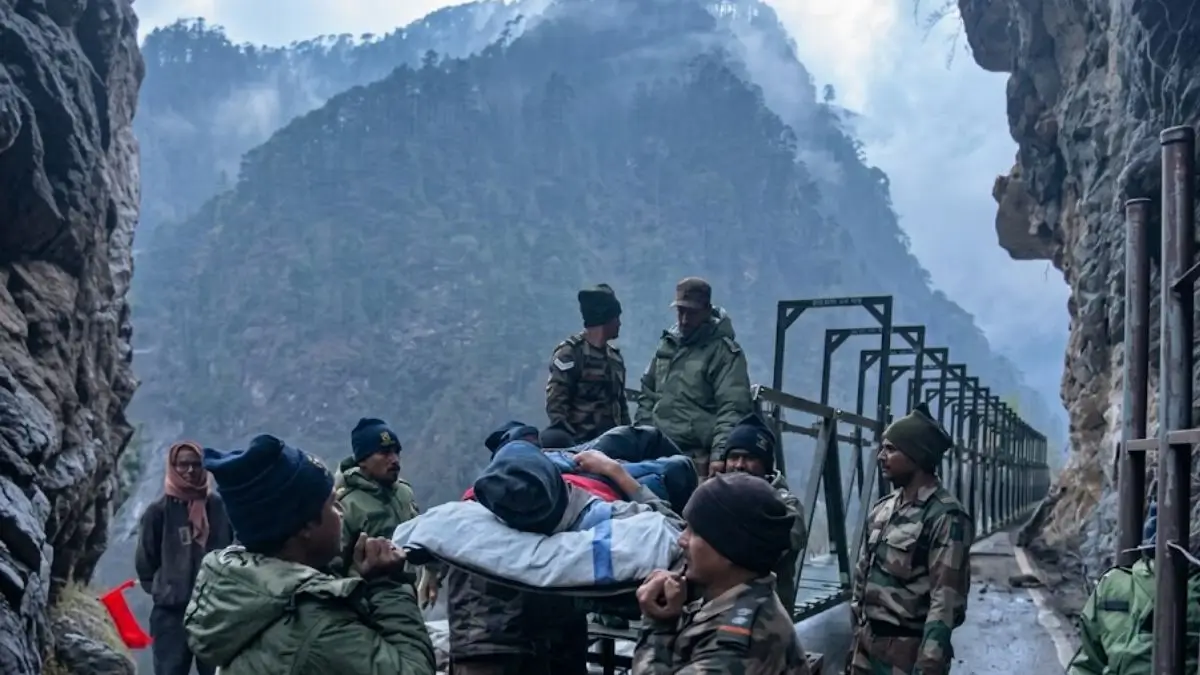
The Indian Army and the Indo-Tibetan Border Police (ITBP) recently conducted a significant joint military training exercise named “Agni Pariksha” in Arunachal Pradesh’s East Siang district at Sigar, marking a major step forward in strengthening inter-force coordination and combat preparedness along India’s sensitive northeastern border.
Held from 19 to 24 January 2026, the intensive six-day drill brought together Spearhead Gunners of the Indian Army’s Spear Corps, infantry regiments, and ITBP personnel to train side-by-side in artillery procedures and firepower integration, a first-of-its-kind initiative aimed at enhancing battlefield collaboration and operational synergy.
🔥 Focus on Joint Combat Capability
The primary objective of Agni Pariksha was to break traditional role barriers by familiarising non-artillery soldiers with artillery coordination, firing drills, and mission execution techniques. Under the guidance of experienced Spearhead Gunners, infantry and ITBP forces were systematically trained to independently carry out artillery firing missions safely and accurately.
This hands-on exposure helped troops build a deeper understanding of firepower integration in dynamic combat scenarios, enabling them to support artillery actions effectively during real battlefield situations.
🤝 Enhancing Inter-Force Synergy
The collaborative training greatly improved mutual trust, responsiveness, and operational coordination among the participating arms. By exposing personnel from different services to shared tactical procedures, the exercise strengthened their ability to communicate and operate seamlessly during high-intensity confrontations on the forward borders.
Such exercises are especially crucial in Arunachal Pradesh, where difficult terrain and proximity to international borders necessitate high levels of preparedness and cohesive multi-force operations.
🧭 Realistic Training in Challenging Landscape
Conducted in rugged and high-altitude terrain, Agni Pariksha simulated realistic operational conditions to test and refine joint combat capabilities. Training elements included artillery firing drills, coordination exercises, rapid deployment tactics, and field decision-making under pressure.
This immersive environment ensured that both Army and ITBP units could develop field-ready proficiency, reinforcing India’s defence readiness where it matters most.
🎯 Preparing for Future Battlefield Needs
Officials highlighted that Agni Pariksha marks the first phase of a broader initiative aimed at cultivating integrated combat capabilities tailored for complex future scenarios. By blending firepower knowledge with ground operations, the exercise builds a strong foundation for mission-oriented joint warfare strategies with even greater inter-service integration across domains.

📌 Why This News Is Important
Strengthening National Defence Posture
India’s northeastern borders, particularly in Arunachal Pradesh, are strategically significant due to their proximity to China and difficult topography. Enhanced coordination between the Indian Army and paramilitary forces like the ITBP through joint exercises is vital to boost overall defence preparedness and readiness against evolving threats. The Agni Pariksha initiative demonstrates a proactive step in cultivating such multi-force cohesion.
Relevance for Government Exams
For students preparing for competitive exams such as UPSC (IAS), CAPF, CDS, SSC, Railways, Police, and Banking, this news highlights key defence cooperation concepts like jointmanship, interoperability, and artillery coordination training, which are frequently asked topics in General Studies (GS Paper-3 – Security and Defence) and current affairs sections.
Understanding such exercises also reinforces candidates’ knowledge of India’s defence strategies, force integration, and border security frameworks — critical areas for both objective and descriptive questions.
Long-Term Strategic Impact
The exercise underscores a shift towards modern warfare preparedness, where traditional role silos are dismantled in favour of integrated battlefield capabilities. This resonates with India’s evolving military doctrine and joint operational vision.
📜 Historical Context
Evolution of Joint Military Exercises in India
India has increasingly focused on joint defence exercises involving multiple forces to enhance inter-service cooperation and operational effectiveness — a trend seen in drills like Yudh Abhyas, Exercise Vajra Prahar and the recent Poorvi Prachand Prahar to train across terrains and conflict spectrums.
Role of ITBP and the Indian Army
The Indo-Tibetan Border Police (ITBP), raised in 1962 after the Sino-India War, has traditionally secured high-altitude borders along the northern frontiers, while the Indian Army maintains frontline defence capabilities. Collaborative exercises such as Agni Pariksha reflect a contemporary defence philosophy where paramilitary expertise complements military strategy to secure vulnerable regions effectively.
Shift Towards Integrated Warfare
Over the past decade, India has prioritized inter-force synergy and joint operational readiness — a response to complex geopolitical challenges and modern combat requirements that demand greater interoperability across services and units. Agni Pariksha fits into this evolving strategic frame.
📊 Key Takeaways from Agni Pariksha Joint Exercise
| S.No | Key Takeaway |
|---|---|
| 1 | Agni Pariksha was a six-day joint training exercise conducted by the Indian Army and the Indo-Tibetan Border Police in Arunachal Pradesh. |
| 2 | The exercise aimed at familiarising non-artillery personnel with artillery procedures and firepower integration. |
| 3 | It involved Spearhead Gunners, infantry regiments, and ITBP personnel training together for enhanced combat synergy. |
| 4 | The drill significantly improved mutual trust, operational coordination, and responsiveness among participating forces. |
| 5 | Agni Pariksha reflects India’s focus on integrated combat capabilities and modern joint operational strategies. |
FAQs: Frequently Asked Questions
1. What is Exercise Agni Pariksha?
Exercise Agni Pariksha is a six-day joint training drill conducted by the Indian Army and the Indo-Tibetan Border Police (ITBP) in Arunachal Pradesh, aimed at enhancing inter-force coordination and artillery skills.
2. Where was Agni Pariksha conducted?
The exercise took place at Sigar in the East Siang district of Arunachal Pradesh, a strategically sensitive region along India’s northeastern border.
3. Who participated in the exercise?
The exercise involved Spearhead Gunners from the Indian Army, infantry regiments, and ITBP personnel, training together in artillery procedures and joint operations.
4. Why is Agni Pariksha significant for India’s defence?
It improves operational coordination, trust, and responsiveness between military and paramilitary forces, particularly in high-altitude and sensitive border regions, preparing them for real combat situations.
5. What skills were developed during the exercise?
Participants were trained in artillery firing drills, field deployment, coordination, mission execution, and decision-making under pressure to enhance battlefield readiness.
6. How is this news relevant for government exams?
This news is important for exams like UPSC, CAPF, CDS, SSC, Banking, Railways, where topics like defence strategies, joint exercises, border security, and military preparedness are frequently asked in General Studies Paper 3 and current affairs sections.
7. Which forces traditionally operate in Arunachal Pradesh?
The ITBP, responsible for high-altitude border security, and the Indian Army, which maintains frontline defence, operate in the region. Joint exercises like Agni Pariksha enhance interoperability between these forces.
Some Important Current Affairs Links