








Understanding the Largest City in the World
Introduction to the Largest City
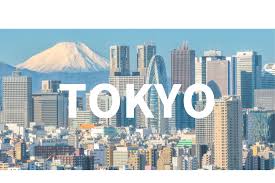
The term “largest city in the world” can be interpreted in various ways, such as by population or area. According to recent data, Tokyo, Japan, holds the title for the largest city by metropolitan population. With a staggering population of over 37 million people, Tokyo surpasses other major cities globally. This article explores why Tokyo is considered the largest city and its implications for urban planning and development.
Tokyo’s Population and Urban Landscape
Tokyo’s metropolitan area extends beyond its 23 special wards to encompass a vast region that includes surrounding prefectures. This sprawling urban landscape is characterized by a dense network of neighborhoods, commercial zones, and residential areas. The city’s infrastructure supports a complex and efficient transportation system, which contributes to its high population density. Tokyo’s economic and cultural significance further consolidates its position as the largest city in the world.
Factors Contributing to Tokyo’s Size
Several factors contribute to Tokyo’s status as the largest city. Historical growth patterns, economic opportunities, and migration trends play a significant role. Post-World War II economic development spurred rapid industrialization and urbanization, attracting people from various parts of Japan and the world. Additionally, Tokyo’s status as a global financial hub and cultural center continues to drive its population growth.
Implications of Tokyo’s Size
The immense size of Tokyo presents both opportunities and challenges. The city’s economic power and cultural influence are immense, offering numerous benefits for residents and businesses. However, the high population density also leads to challenges such as congestion, high living costs, and environmental concerns. Addressing these issues requires innovative urban planning and sustainable development practices.
Why This News is Important
Understanding Urbanization Trends
The news about Tokyo being the largest city in the world highlights significant urbanization trends. Understanding these trends helps students grasp the dynamics of population growth, city planning, and economic development. Tokyo’s example provides valuable insights into how cities evolve and the factors that contribute to their growth.
Implications for Urban Planning
Tokyo’s status as the largest city underscores the importance of effective urban planning. Students preparing for government exams should be aware of how large cities manage resources, infrastructure, and services. Tokyo’s experience can serve as a case study for urban planners and policymakers aiming to address similar challenges in other rapidly growing cities.
Global Economic Influence
As a major global financial hub, Tokyo’s influence extends beyond its borders. Recognizing the role of large cities in the global economy helps students understand international relations and economic trends. Tokyo’s economic power is a testament to the impact that large cities can have on global markets and industries.
Historical Context:
Tokyo’s Growth Over Time
Tokyo’s growth as the largest city in the world has deep historical roots. Originally a small fishing village known as Edo, the city began to expand significantly during the early 17th century under the Tokugawa shogunate. The Meiji Restoration in 1868 marked a new era of modernization and industrialization, further accelerating Tokyo’s growth. Post-World War II economic boom and subsequent technological advancements cemented Tokyo’s status as a global metropolis.
Key Takeaways from “Understanding the Largest City in the World”
| Serial Number | Key Takeaway |
|---|---|
| 1 | Tokyo is currently the largest city in the world by metropolitan population, with over 37 million residents. |
| 2 | The city’s extensive urban area includes surrounding prefectures, contributing to its large population. |
| 3 | Historical growth patterns, economic opportunities, and migration trends have driven Tokyo’s expansion. |
| 4 | The large size of Tokyo presents both benefits, such as economic power, and challenges, including congestion and high living costs. |
| 5 | Tokyo serves as a significant case study for urban planning and development, providing insights for other rapidly growing cities. |
Important FAQs for Students from this News
1. What is the largest city in the world by population?
Tokyo, Japan, is currently the largest city in the world by metropolitan population, with over 37 million residents.
2. How does Tokyo’s population compare to other major cities?
Tokyo’s population surpasses that of other major cities, including New York, Shanghai, and Mumbai, making it the largest by metropolitan area.
3. What factors have contributed to Tokyo’s growth?
Tokyo’s growth has been driven by historical developments, economic opportunities, migration trends, and rapid urbanization since World War II.
4. What challenges does Tokyo face due to its large population?
Tokyo faces challenges such as high population density, congestion, high living costs, and environmental concerns due to its large population.
5. How does Tokyo’s status as a global financial hub impact its growth?
Tokyo’s status as a global financial hub attracts international businesses and individuals, contributing to its economic power and continued population growth.
Some Important Current Affairs Links