




Mongolia new Prime Minister 2026 Uchral Nyam‑Osor takes charge amid political turmoil. Learn about coalition government, economic challenges, and key political updates.
Mongolia Appoints New Prime Minister Amid Political Turmoil
Mongolian Parliament Appoints Uchral Nyam‑Osor as PM
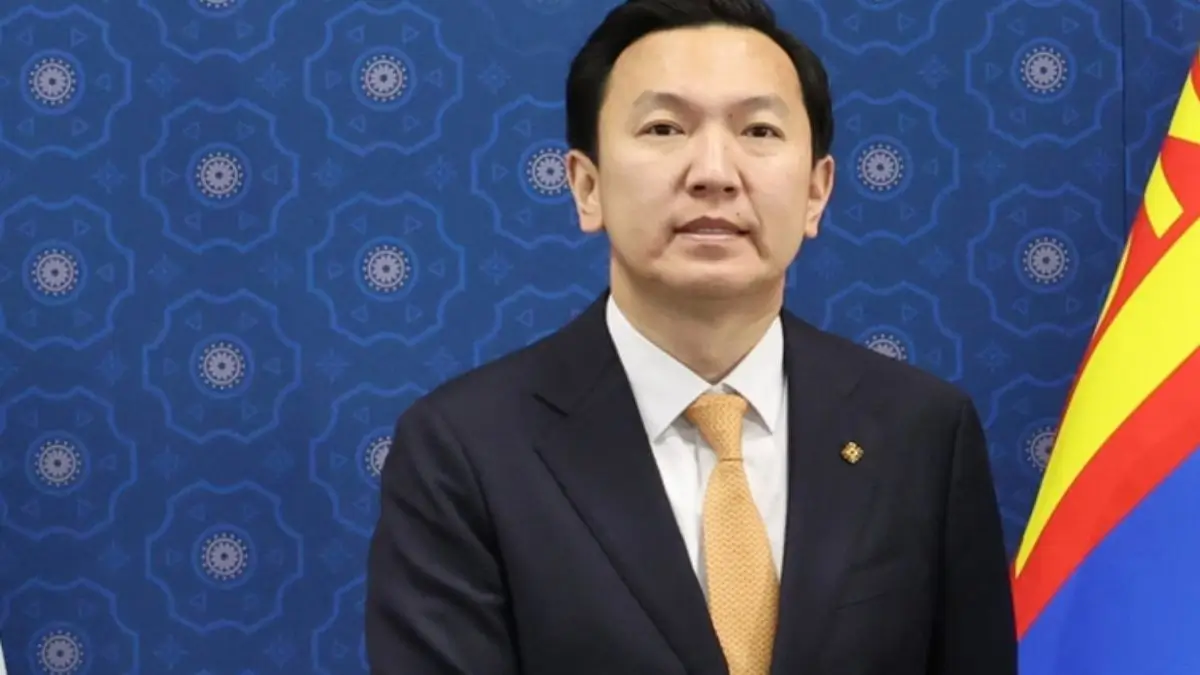
Mongolia has witnessed a major political change as the State Great Khural (Parliament) appointed Nyam‑Osoryn Uchral as the 33rd Prime Minister of the country, succeeding Zandanshatar Gombojav who resigned recently. Uchral secured 88 out of 107 votes in parliament, indicating strong support from lawmakers. He steps into office at a time when Mongolia is facing internal political instability and external economic challenges.
Third Leadership Change in Nine Months
This latest appointment marks the third change in Mongolia’s prime ministerial leadership within the last nine months, highlighting ongoing political infighting and factional struggle within the ruling Mongolian People’s Party (MPP). Since mid‑2025, the party has seen multiple leaders resign or be replaced amid public dissatisfaction and efforts to maintain legislative functioning.
Formation of a New Coalition Government
Following his appointment, Prime Minister Uchral has overseen the swearing‑in of a new coalition government in Ulaanbaatar. This coalition comprises members from the ruling MPP, the Opposition Hun Party, and the National Coalition, bringing together different political voices to ease parliamentary gridlock. The cabinet consists of 19 ministers across 16 ministries.
Challenges Ahead for Uchral Government
Despite his strong parliamentary backing, Uchral faces significant challenges. Mongolia’s economy heavily relies on mineral exports such as coal and copper. Rising global economic uncertainties and weak investor confidence due to political instability remain key concerns. The new government is expected to focus on economic reform, streamlining bureaucracy, and addressing rising cost pressures.
A Young and Reform‑Oriented Leader
At just 39 years old, Nyam‑Osoryn Uchral is considered one of Mongolia’s younger and more reform‑driven leaders. Before becoming PM, he served as Speaker of Parliament and Chairman of the MPP, reflecting his deep involvement in national politics. His leadership is widely seen as a compromise to bridge internal party divisions and reduce legislative deadlock.

🧠 Why This News Is Important for Exam Aspirants
Understanding Global Political Stability
For students preparing for exams like GPSC, UPSC, Banking, and Civil Services, understanding political developments in key countries is crucial. Mongolia’s frequent leadership changes provide insight into how democratic systems can face instability due to internal party conflicts. This example helps in analyzing political structures, parliamentary processes, and coalition government systems—topics often asked in GS papers and current affairs sections.
Impact on International Relations and Economy
Mongolia’s political changes also have economic and geopolitical implications. As a landlocked country between Russia and China, Mongolia plays a significant role in regional economics. Political instability can affect foreign investment, trade policies, and bilateral relations—an area important for International Relations questions in competitive exams.
Relevance to Governance and Public Policy
The appointment of a new prime minister amid turmoil reflects how governments respond to public dissatisfaction and legislative paralysis. Aspirants studying Governance, Public Administration, and Policy Making can relate these developments to bureaucratic accountability, party politics, and institutional challenges—key concepts in exam syllabi.
Examples of Political Responses
Having real‑world cases like Mongolia’s leadership change helps students illustrate answers in descriptive papers. It strengthens arguments on political stability, coalition politics, and democratic resilience, which are essential for mains-level answers in civil service exams.
📚 Historical Context: Political Instability in Mongolia
Early Democratic Transition
Mongolia transitioned from a socialist one‑party state to a multi‑party democratic system in 1990, paving the way for competitive politics. The Prime Minister’s role, as head of government, is powerful yet dependent on parliamentary support under the nation’s constitution.
Recent Years of Political Shuffle
Since 2025, Mongolia’s ruling Mongolian People’s Party (MPP) has undergone internal factional disputes. Prime Ministers like Luvsannamsrain Oyun‑Erdene and Zandanshatar Gombojav both held office before Uchral and faced problems related to corruption allegations, party boycotts, and economic challenges. Frequent leadership changes have reflected deeper issues in governance and party cohesion.
Coalition Politics and Parliamentary Deadlock
Political deadlock intensified when opposing parties boycotted legislative proceedings, slowing down governance and causing economic pressures to mount. This environment made it necessary for compromise candidates like Uchral Nyam‑Osor to emerge, aiming to balance conflicting interests and restore legislative functionality.
📌 Key Takeaways from Mongolia’s New PM Appointment
| S.No. | Key Takeaway |
|---|---|
| 1 | Mongolia appointed Nyam‑Osoryn Uchral as the new Prime Minister. |
| 2 | Uchral secured 88 out of 107 votes in the State Great Khural. |
| 3 | This is the third prime ministerial change in nine months. |
| 4 | A coalition government with 19 ministers was formed. |
| 5 | The appointment aims to ease political deadlock and drive reform. |
FAQs: Frequently Asked Questions
1. Who is the newly appointed Prime Minister of Mongolia?
The newly appointed Prime Minister of Mongolia is Nyam‑Osoryn Uchral, who became the 33rd Prime Minister of the country.
2. How many votes did Uchral secure in the Mongolian Parliament?
Uchral secured 88 out of 107 votes in the State Great Khural (Mongolian Parliament), showing strong legislative support.
3. Why was there a need for a new Prime Minister in Mongolia?
Mongolia faced political instability, internal party disputes, and frequent leadership changes, making it necessary to appoint a leader who could reduce parliamentary deadlock.
4. What type of government has Uchral formed after his appointment?
He has formed a coalition government comprising members of the Mongolian People’s Party (MPP), Hun Party, and National Coalition, with 19 ministers across 16 ministries.
5. What challenges does the new Prime Minister face?
Uchral faces economic challenges, including reliance on mineral exports, global economic uncertainty, and political instability affecting investor confidence.
6. How old is Nyam‑Osoryn Uchral, and why is his appointment notable?
Uchral is 39 years old, making him one of the younger, reform-oriented leaders in Mongolia, seen as a compromise to bridge internal party conflicts.
7. How many prime ministers has Mongolia had in the last nine months?
This is the third prime ministerial change in Mongolia in the last nine months, indicating ongoing political turbulence.
Some Important Current Affairs Links




