






International Year of the Woman Farmer 2026: Learn about the UN’s declaration recognizing women farmers, their challenges, and the role of FAO and SDGs in global agriculture reforms. Essential for UPSC, SSC, Banking, and other government exam preparation.
UN Declares 2026 as International Year of the Woman Farmer
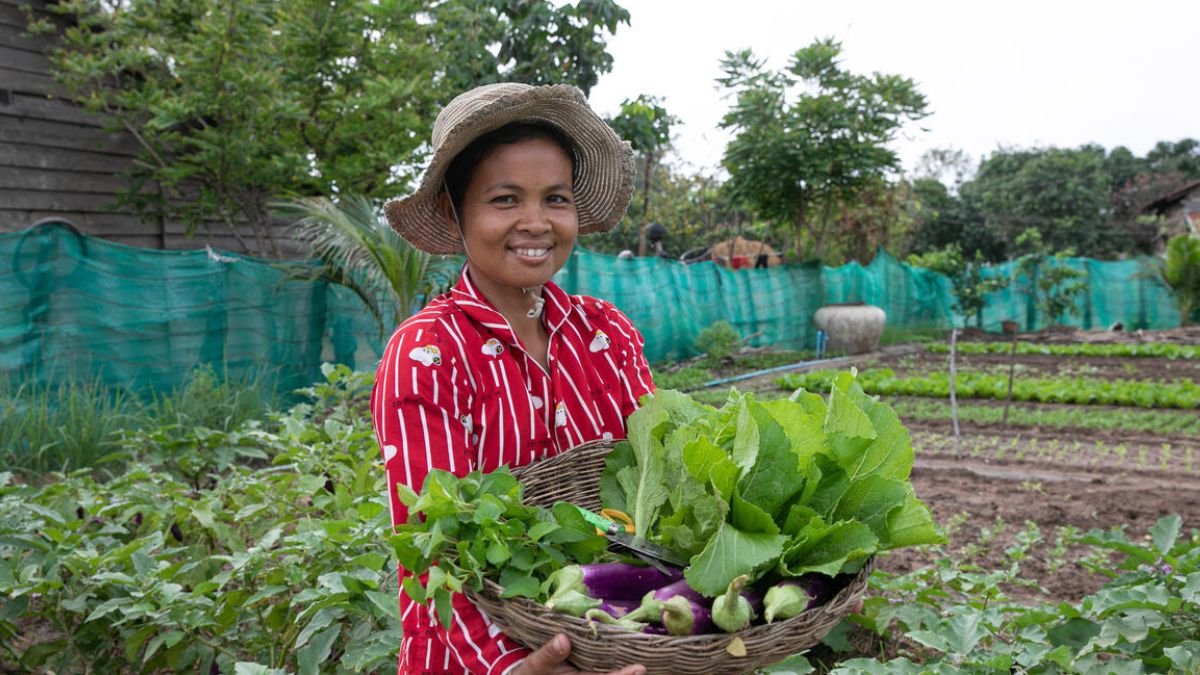
The UN General Assembly, in a unanimous decision proposed by the United States, officially designated 2026 as the International Year of the Woman Farmer This global initiative aims to acknowledge the critical contributions that women make to agriculture and rural economies worldwide.
The resolution, which received broad support from over 100 UN member nations and key organisations like FAO, emphasizes the need to address unique barriers faced by women farmers These hurdles range from restricted land ownership to limited access to credit, training, and technology. The global observance is expected to elevate awareness and mobilize action in alignment with UN Sustainable Development Goals related to gender equity, food security, and poverty alleviation
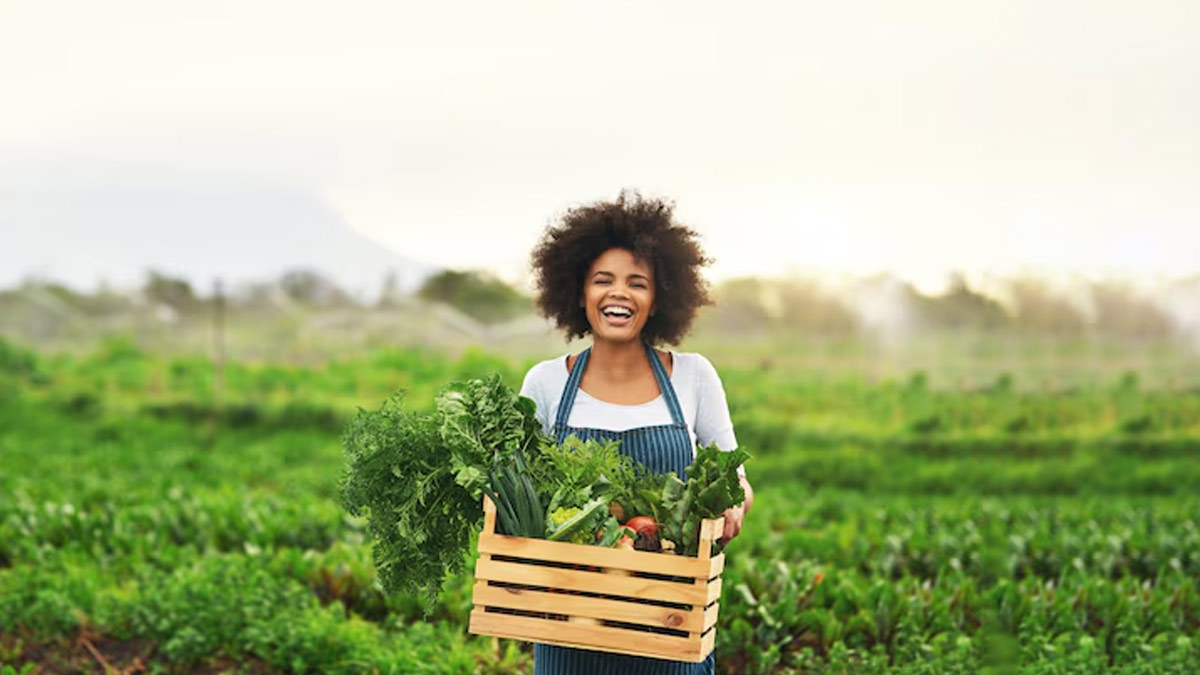
During the announcement, USDA Deputy Secretary Xochitl Torres Small highlighted that women agriculture workers are responsible for “roughly half of the world’s food production, and in many countries they produce between 60 and 80 percent of the food” However, women remain more food insecure than men, underlining the need for this focus .
FAO’s report, The Status of Women in Agrifood Systems, found women make up about 39% of the global agricultural workforce but face obstacles in asset ownership, leadership roles, fair wages, and financial access The 2026 International Year is envisioned as a transformative period to address such entrenched gender disparities.
Objectives & Framework
- Awareness: Highlight women’s essential role in agriculture globally.
- Policy: Encourage gender-responsive policies on land rights, credit, and extension services.
- Empowerment: Boost rural women’s access to resources, technology, leadership, and decision-making bodies.
- Collaboration: FAO, UN agencies, governments, private sector, NGOs, and academia to collaborate on implementation
Global Momentum
Over 100 UN member countries have pledged support; USDA led efforts that secured 123 co-sponsors, including at NASDA’s Winter Policy Conference In the US, agricultural departments emphasize enhancing credit, land tenure security, and training to uplift women in farming .
Why This News Matters
To Aspirants of Civil and Competitive Exams
For exams like UPSC, PSCs, RRB, IBPS, and SSC, this development is significant because it ties into important themes—gender equality, sustainable development, and food security—frequently featured in current affairs, essays, interviews, and general studies. It highlights real-world policy actions aligning with Sustainable Development Goals (SDGs), especially SDG 2 (Zero Hunger), SDG 5 (Gender Equality), and SDG 10 (Reduced Inequalities).
Policy Insight & Analytical Edge
Understanding how the UN and governments address gender disparities in agriculture gives candidates analytical content for policy-based questions and essay topics such as “Empowerment of women in rural India” or “Role of international resolutions in socio-economic change.”
Relevance to Sectoral Roles
Banking, defence, teaching, civil services, and law enforcement alike benefit from awareness of international agendas that influence rural development schemes, credit availability, subsidies, and gender justice programs—all part of the preparatory landscape for government-related roles.
Historical Context
Recognizing Long-Standing Disparities
The significance of women in agriculture has been acknowledged in multiple FAO and UN reports over decades. FAO estimates women represent 39% of agricultural workers globally but often work under precarious conditions with fewer rights .
Past International Initiatives
Initiatives like International Year of Family Farming 2014 and International Year of Pulses 2016 set precedents by focusing on specific agricultural stakeholders. However, none had directly targeted women farmers, making this a pioneering effort in UN policy .
Triggering Current Resolution
Persistent findings on women’s limitations in land tenure, credit access, extension services, and decision-making propelled the FAO to propose a targeted initiative. The US-led resolution in 2024 reflects collective prioritization of closing gender gaps in agriculture .
Key Takeaways from International Year of the Woman Farmer
| S. No. | Key Takeaway |
|---|---|
| 1 | 2026 is officially designated by UN GA as International Year of the Woman Farmer, proposed by the USA and backed by 100+ co-sponsors |
| 2 | Women constitute ~39% of global agricultural labour, with a dominant role in food production (60–80%) in many regions, yet face food insecurity . |
| 3 | Main barriers include: land ownership, credit, technology, education, and leadership roles . |
| 4 | FAO, with UN entities and stakeholders, will implement gender-responsive policies and drive programmes enhancing empowerment . |
| 5 | Aligns with SDGs: food security (SDG 2), gender equality (SDG 5), reduced inequalities (SDG 10), offering rich scope for exam analysis. |
FAQs: Frequently Asked Questions
Q1. What is the International Year of the Woman Farmer?
The International Year of the Woman Farmer, designated by the United Nations for the year 2026, is a global initiative to recognize and promote the contributions of women in agriculture and rural development.
Q2. Why is 2026 chosen as the year to celebrate women farmers?
The UN General Assembly, supported by over 100 member countries, passed a resolution in 2024 to observe 2026 as the International Year of the Woman Farmer. The goal is to bridge gender gaps in farming and align with sustainable development goals.
Q3. What percentage of the global agricultural workforce is composed of women?
According to the FAO, women make up about 39% of the global agricultural workforce but often lack equal access to land, credit, education, and leadership opportunities.
Q4. How is this declaration relevant for government exam preparation?
This news relates to topics like gender equality, SDGs, rural economy, and women empowerment—frequently asked in UPSC, State PSCs, SSC, Banking, Defence, and Railway exams.
Q5. Which UN agencies and stakeholders are involved in implementing this initiative?
The FAO, along with other UN agencies, national governments, private sector entities, NGOs, and academic institutions, will play a key role in shaping and delivering the programs under this observance.
Some Important Current Affairs Links