




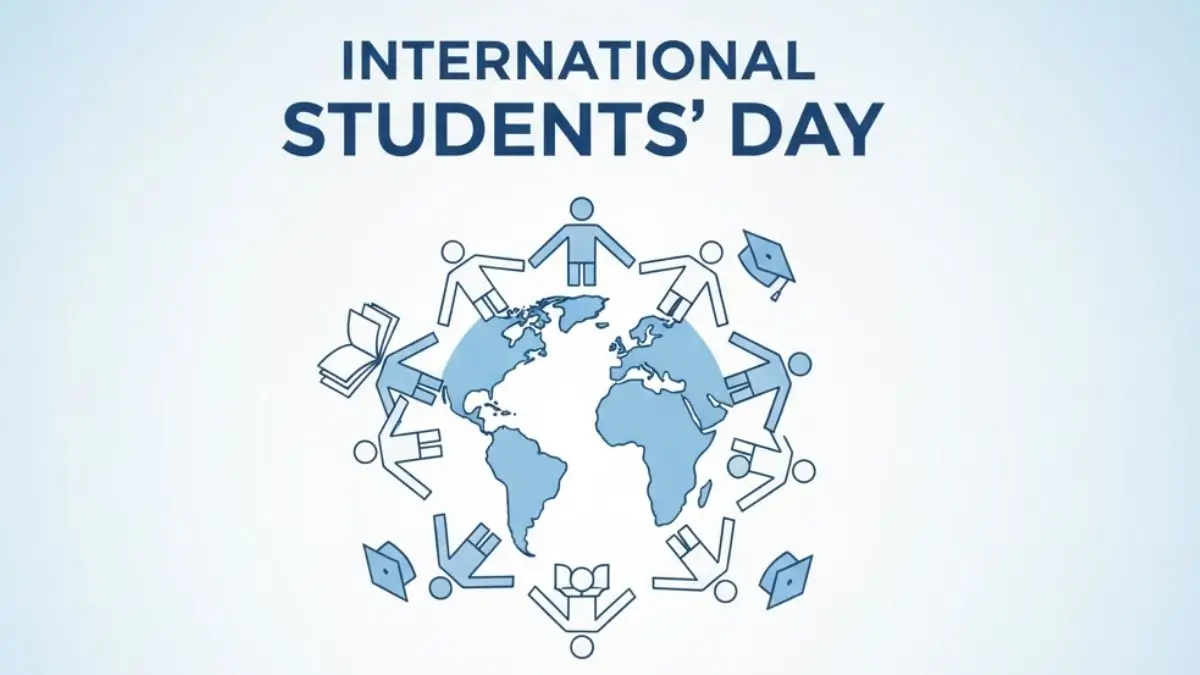
International Students’ Day history 2025 explained with the significance of November 17, the 1939 Czech student movement, Nazi crackdown, key facts, FAQs, and exam-focused highlights for competitive exam aspirants.
International Students’ Day 2025: Why November 17 Marks Courage, Not Just Celebration
Commemoration Rooted in Resistance
International Students’ Day, observed every year on 17 November, is far more than a routine or festive student celebration. It is rooted in a brutal episode of history — the 1939 Prague student uprising during Nazi occupation. On this date, Czech students demonstrated both courage and conviction, standing up against oppression even when their freedom, and lives, were at risk.
The 1939 Prague Crackdown
The events began in October 1939. A medical student, Jan Opletal, was shot during a peaceful protest in Prague. His death sparked outrage among students, and on 15 November, thousands came to his funeral. What began as mourning quickly evolved into defiance — the funeral procession became a powerful anti-Nazi demonstration.
Two days later, on 17 November, the Nazi regime responded ruthlessly: nine student leaders were executed without trial, over 1,200 students were arrested and sent to concentration camps, and all Czech universities were forcibly closed. The crackdown was not just a punishment — it aimed to dismantle intellectual resistance and crush dissent within youth communities.
From Tragedy to Global Symbol
In 1941, at a gathering of the International Students’ Council in London, representatives of student unions from around 50 countries declared 17 November as International Students’ Day. The day was dedicated not to academic achievement, but to student activism, bravery, and the struggle for intellectual freedom. Over the decades, it has become a global symbol of student solidarity.
Relevance Today: More Than a Historical Memory
International Students’ Day resonates even now. While the context has changed, its core themes — the right to education, intellectual freedom, and student activism — remain deeply relevant. Many students around the world still face repression, discrimination, or censorship. By remembering the events of 1939, this observance amplifies the importance of peaceful protest, student voice, and equal access to education.
Static Facts to Remember
- Date: November 17
- First Observed: 1941, in London
- Commemorates: the 1939 Nazi crackdown on students in Prague
- Nine Executed: student leaders executed without trial
- Students Arrested: over 1,200 sent to concentration camps

Why This News Is Important
Empowerment Through Memory
International Students’ Day is not just a historical observance: it empowers current and future students by reminding them of the sacrifices made in the name of freedom. For government exam aspirants — whether in civil services, defence, banking, or teaching — this day underscores the power of youth activism, courage, and standing up for democratic values.
Relevance to Civil Rights and Education
The essence of this day—fighting for the right to education and intellectual independence—is deeply relevant in today’s world, where debates around education access, student rights, and political freedom continue. For aspirants in public service roles, understanding this helps foster a broader perspective on citizen participation and social responsibility.
Global Perspective with Local Resonance
As students prepare for competitive exams, they often focus on national issues. But International Students’ Day brings a global perspective: it shows how student movements beyond borders have shaped history. This awareness is key, especially for aspirants of civil service or diplomatic careers, to understand how local actions can have international ripple effects.
Historical Context
Background: Czechoslovakia Under Nazi Occupation
In March 1939, Nazi Germany occupied parts of Czechoslovakia, establishing the Protectorate of Bohemia and Moravia. Under this oppressive regime, dissent was brutally suppressed. Students, however, remained a significant source of resistance. Cultural acts, such as singing national compositions, became subtle forms of protest.
Student Protests Sparked by Jan Opletal’s Death
On 28 October 1939 — the anniversary of Czechoslovakia’s independence — students held a commemoration at Charles University. The protest was forcibly put down, and Jan Opletal, a medical student, was shot. He succumbed to his injuries on November 11, and his funeral two days later turned into a massive demonstration.
Repression and Retaliation
On 17 November 1939, in a ruthless crackdown, the Nazis executed nine student leaders without trial and arrested more than 1,200 students. Universities were shut down, and many students were deported to concentration camps, including Sachsenhausen.
Birth of International Students’ Day
In 1941, refugee students and others gathering in London formed the International Students’ Council. They declared November 17 as International Students’ Day, to ensure worldwide remembrance of the Prague students’ sacrifice.
Legacy and Modern Observance
Today, International Students’ Day is observed by student organizations and educational institutions across the globe. In the Czech Republic and Slovakia, it is also known as “Struggle for Freedom and Democracy Day.” It stands as a tribute to student activism and a reminder of the ongoing fight for education rights.
Key Takeaways from This News
| # | Key Takeaway |
|---|---|
| 1 | Date and Significance – International Students’ Day is observed on 17 November to commemorate the 1939 Nazi crackdown on students in Prague. |
| 2 | Jan Opletal – His death in a protest sparked widespread student resistance; his funeral turned into a major demonstration. |
| 3 | Brutal Repression – On 17 Nov 1939, nine student leaders were executed, and over 1,200 students arrested and deported to concentration camps. |
| 4 | Institutional Closure – Nazi authorities shut down all Czech universities as part of their suppression. |
| 5 | Global Symbol – In 1941, the first International Students’ Day was declared in London by the International Students’ Council, embedding student activism into global memory. |
FAQs: Frequently Asked Questions
1. What is International Students’ Day?
International Students’ Day is observed on 17 November every year to commemorate the bravery of Czech students who were killed and arrested by the Nazi regime in 1939.
2. Why is November 17 significant in history?
On 17 November 1939, Nazi authorities executed nine student leaders without trial and arrested more than 1,200 students, closing all Czech universities.
3. Who was Jan Opletal and why is he important?
Jan Opletal was a Czech medical student whose death during a peaceful protest sparked massive student uprisings in Prague, eventually leading to the brutal Nazi crackdown.
4. When was International Students’ Day first officially recognized?
It was first recognized in 1941 by the International Students’ Council in London.
5. What is the primary objective of International Students’ Day today?
The day promotes student rights, social justice, educational equality, and youth activism on a global scale.
6. How did the funeral of Jan Opletal become a protest?
Thousands of students participated in his funeral on 15 Nov 1939, turning the procession into an anti-Nazi demonstration.
7. Is International Students’ Day celebrated as a holiday globally?
No. It is commemorated, not celebrated, mainly through events, seminars, awareness programs, and student-rights discussions.
8. Which countries give special importance to this day?
Czech Republic and Slovakia observe November 17 as both International Students’ Day and Struggle for Freedom and Democracy Day.
9. How is this day relevant for competitive exams?
Questions often appear in Static GK, International Days, History, and General Awareness sections of UPSC, SSC, Bank, Defence, Railways, and Teaching exams.
10. What values does International Students’ Day represent?
It stands for courage, intellectual freedom, resistance to oppression, equality in education, and peaceful student activism.
Some Important Current Affairs Links