



Nitish Kumar Rajya Sabha move explained: Bihar may soon get a new Chief Minister as Nitish Kumar plans to contest Rajya Sabha elections. Read key facts, exam-relevant analysis, and important takeaways for UPSC, SSC, Banking, and State PCS exams.
Bihar to Get New Chief Minister as Nitish Kumar Plans Move to Rajya Sabha
Political Transition in Bihar
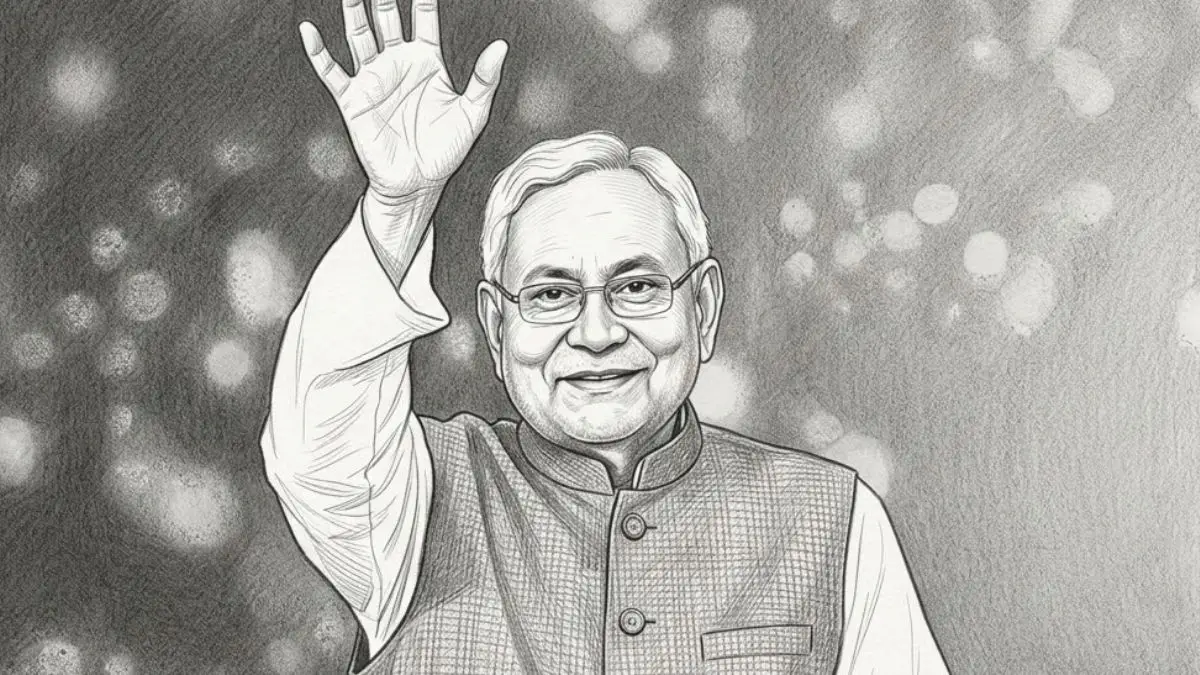
A major political development has emerged in the state of Bihar as Chief Minister Nitish Kumar announced his decision to step down from the top post and contest the upcoming election to the Rajya Sabha. This move signals a significant leadership transition in Bihar politics and could result in the appointment of a new Chief Minister in the state.
Nitish Kumar, who has served multiple terms as Bihar’s Chief Minister and is considered one of the longest-serving leaders in the state, confirmed that he plans to enter Parliament through the Rajya Sabha elections. His resignation from the Chief Minister’s post is expected soon, though he may continue in office until the Rajya Sabha election process is completed.
Decision to Serve in Parliament
While announcing his decision, Nitish Kumar stated that he always wished to serve in all four legislative institutions in India: the Lok Sabha, Rajya Sabha, Bihar Legislative Assembly, and Bihar Legislative Council. Contesting the Rajya Sabha election would fulfil this long-standing political aspiration.
He also thanked the people of Bihar for supporting him throughout his political career spanning more than two decades. During this period, he played a significant role in shaping the governance and development policies of the state.
End of a Long Chief Ministerial Era
Nitish Kumar’s decision to move to the Rajya Sabha marks the possible end of a long chapter in Bihar’s political history. He has served multiple terms as Chief Minister and became one of the most influential political leaders in the state.
His leadership also helped the ruling alliance secure a massive victory in the 2025 Bihar Assembly elections, strengthening his position in state politics.
However, with his likely resignation, Bihar will soon witness a new leadership. Political observers believe that the next Chief Minister may come from the ruling alliance, and several names are being discussed as possible successors. This transition could reshape the political dynamics of Bihar in the coming years.

Why This News is Important
Leadership Change in a Major Indian State
The resignation of Nitish Kumar and his move to the Rajya Sabha is important because it represents a major leadership transition in the state of Bihar. For over two decades, Nitish Kumar has been one of the central figures in Bihar politics. His departure from the Chief Minister’s office could significantly reshape the state’s political landscape and governance structure.
Impact on National and State Politics
This development is also important from a national political perspective. Nitish Kumar’s entry into the Rajya Sabha could strengthen his role in national-level policymaking and parliamentary debates. It may also influence political alliances and strategies within the ruling coalition at both state and national levels.
For students preparing for competitive exams such as UPSC, State PCS, SSC, Banking, and Defence examinations, this news is significant because it reflects how leadership changes can affect governance, political alliances, and policy priorities in India’s federal system.
Historical Context
Political Journey of Nitish Kumar
Nitish Kumar is one of the most prominent political leaders in Bihar’s history. He first became Chief Minister in 2000, although his first term lasted only a few days due to lack of majority support. Over time, he built strong political alliances and gradually established himself as a key figure in state politics.
Long Tenure as Chief Minister
Nitish Kumar later served several full terms as Chief Minister and is widely known for initiatives related to governance reforms, infrastructure development, education, and women’s empowerment in Bihar. His leadership continued through various coalition governments and political realignments.
Recent Political Developments
After the 2025 Bihar Assembly elections, he took oath as Chief Minister for the tenth time, marking a record tenure in the state’s political history.
However, his decision to move to the Rajya Sabha in 2026 marks a turning point in Bihar’s political narrative and may open the door for a new leadership phase in the state.
Key Takeaways from This News
| S.No. | Key Takeaway |
|---|---|
| 1 | Bihar Chief Minister Nitish Kumar has announced his decision to contest the Rajya Sabha election. |
| 2 | He plans to resign from the Chief Minister’s post after filing his nomination for the Rajya Sabha. |
| 3 | His move marks a major leadership transition in Bihar politics. |
| 4 | Nitish Kumar has served multiple terms as Chief Minister and is one of the longest-serving leaders in Bihar. |
| 5 | Bihar is expected to get a new Chief Minister once he formally resigns and moves to the Rajya Sabha. |
FAQs for Exam Preparation
1. Who is Nitish Kumar?
Nitish Kumar is a senior Indian politician and one of the longest-serving Chief Ministers of Bihar. He has led the state multiple times since 2000 and is known for governance reforms, infrastructure development, and social welfare initiatives.
2. What is the Rajya Sabha?
The Rajya Sabha is the Upper House of the Indian Parliament. It represents the states and union territories of India and currently has a maximum strength of 250 members. Members are elected by state legislatures or nominated by the President of India.
3. Why is Nitish Kumar planning to move to the Rajya Sabha?
Nitish Kumar stated that he wished to serve in all four legislative institutions: the Lok Sabha, Rajya Sabha, Bihar Legislative Assembly, and Bihar Legislative Council. Contesting the Rajya Sabha election will fulfill this long-standing political objective.
4. Who appoints the Chief Minister of a state in India?
The Governor of the state appoints the Chief Minister. Usually, the leader of the party or coalition with majority support in the state legislative assembly is invited to form the government.
5. How are Rajya Sabha members elected?
Members of the Rajya Sabha are elected by the elected members of the State Legislative Assemblies using the proportional representation system through a single transferable vote.
6. What is the tenure of a Rajya Sabha member?
A Rajya Sabha member serves a six-year term, and one-third of the members retire every two years.
7. Why is this political development important for competitive exams?
Leadership changes in major states like Bihar are important for exams such as UPSC, SSC, Banking, and State PCS because they relate to Indian polity, governance, and current political developments.
Some Important Current Affairs Links