





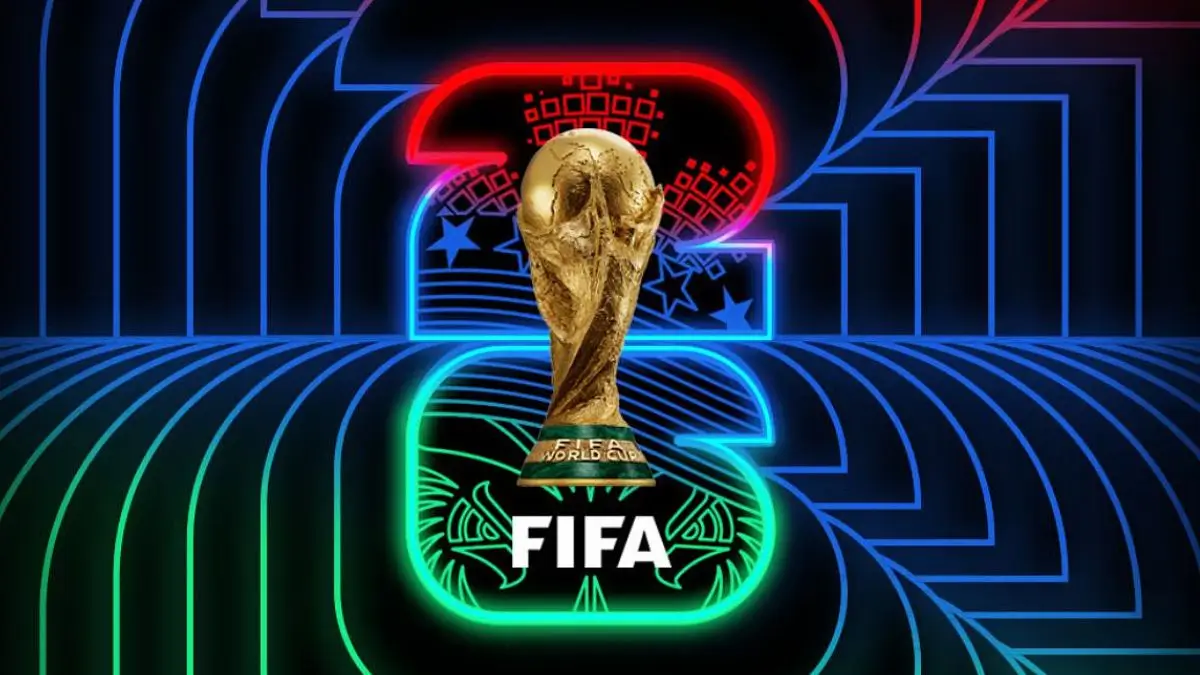
FIFA World Cup 2026 Group Standings explained with updated tournament format, host countries, qualification rules, participating teams, historical significance, MCQs, FAQs, and exam-oriented current affairs insights for UPSC, SSC, Banking, Railways, Defence and State PSC exams.
Introduction to FIFA World Cup 2026
The FIFA World Cup 2026 has become a historic edition of the world’s most prestigious football tournament. Hosted jointly by the United States, Canada, and Mexico, this edition marks the first time that 48 teams are participating in the competition instead of the traditional 32 teams. The expansion has significantly changed the tournament structure, making the group-stage competition more intense and increasing opportunities for nations from different continents.
Expanded Format Brings New Opportunities
Under the new format, the 48 participating teams have been divided into 12 groups consisting of four teams each. Every team plays three group-stage matches. The top two teams from each group automatically qualify for the Round of 32. Additionally, the eight best third-placed teams across all groups also advance to the knockout stage. This system allows 32 teams to progress from the group phase, making the tournament more competitive and unpredictable.
Structure of Group Standings
The standings in each group are determined through a points-based system. Teams receive three points for a win, one point for a draw, and no points for a loss. If two or more teams finish with the same number of points, FIFA applies tie-breaker criteria such as goal difference, goals scored, disciplinary record, and FIFA rankings. These rules ensure a fair ranking system throughout the competition.
Importance of Third-Place Rankings
One of the most significant features of the 2026 FIFA World Cup is the qualification of the best third-placed teams. Since eight third-placed teams can advance to the Round of 32, every group-stage match becomes crucial. Teams that may not finish in the top two positions still have a realistic chance of progressing if they accumulate enough points and maintain a strong goal difference.
Major Contenders in the Tournament
Traditional football powers such as Brazil, Argentina, Germany, Spain, France, England, Portugal, and the Netherlands are among the strongest contenders for the title. Emerging football nations from Asia, Africa, and North America are also expected to challenge the established powers due to the expanded format. The group-stage performances of these teams will determine the pathway toward the knockout rounds.
Significance for Global Football
The 2026 World Cup is expected to enhance football’s global reach by providing representation to more countries. FIFA believes that increasing the number of participating nations will promote football development in emerging regions and create new opportunities for players and fans worldwide. The tournament is also notable for being the first World Cup jointly hosted by three countries.
Impact on Competitive Balance
The new qualification structure ensures that teams remain competitive until the final group-stage matches. Even teams placed third in their groups continue to have qualification hopes, increasing excitement for spectators and maintaining high competitive standards throughout the tournament.

Why This News Is Important
Important for Sports Current Affairs
The FIFA World Cup is one of the most frequently asked topics in competitive examinations, particularly in current affairs, sports awareness, and international events sections. Candidates preparing for UPSC, SSC, Banking, Railways, Defence, and State PSC examinations should be familiar with major developments related to the tournament.
First-Ever 48-Team World Cup
The 2026 edition is historically significant because it introduces the largest tournament format in FIFA World Cup history. Questions regarding the number of participating teams, host countries, and qualification rules are likely to appear in examinations.
Joint Hosting by Three Nations
The tournament is being jointly organized by the United States, Canada, and Mexico. This makes it the first FIFA World Cup hosted by three countries simultaneously, making it an important fact for general awareness and static GK sections.
New Qualification Rules
The introduction of qualification through the best third-placed teams represents a major structural change in the competition. Understanding these rules helps students answer questions related to sports governance, tournament structures, and FIFA regulations.
Global Importance of Football
Football remains the most popular sport in the world. Developments in the FIFA World Cup influence sports policies, broadcasting, tourism, infrastructure development, and international relations. Therefore, such news has relevance beyond sports and may appear in broader current affairs discussions.
Historical Context
Origins of the FIFA World Cup
The FIFA World Cup was first organized in 1930 by the governing body of world football, FIFA. The inaugural tournament was held in Uruguay, where the host nation emerged as the champion.
Evolution of Tournament Size
Initially, only 13 teams participated in the tournament. Over time, FIFA expanded participation to reflect the growing popularity of football worldwide. The competition featured 24 teams from 1982 to 1994 and 32 teams from 1998 to 2022. The 2026 edition represents the next major expansion with 48 teams.
Previous World Cup Champions
Countries such as Brazil, Germany, Italy, Argentina, and France have historically dominated the tournament. The expansion to 48 teams aims to provide greater opportunities for emerging football nations.
Significance of the 2026 Edition
The 2026 FIFA World Cup is regarded as a milestone event because it combines a larger participant base, a new qualification pathway, and multi-country hosting. These innovations are expected to influence the future direction of international football competitions.
Key Takeaways from FIFA World Cup 2026 Group-Wise Team Standings
| S. No. | Key Takeaway |
|---|---|
| 1 | FIFA World Cup 2026 features 48 teams divided into 12 groups of four teams each. |
| 2 | The tournament is jointly hosted by the United States, Canada, and Mexico. |
| 3 | The top two teams from each group and the eight best third-placed teams qualify for the Round of 32. |
| 4 | Group standings are determined through points, goal difference, goals scored, disciplinary record, and FIFA rankings if required. |
| 5 | FIFA World Cup 2026 is the largest World Cup tournament in history and introduces a new competitive structure. |
Frequently Asked Questions (FAQs)
1. How many teams will participate in the FIFA World Cup 2026?
A total of 48 teams will participate in the FIFA World Cup 2026, making it the largest edition in the tournament’s history.
2. Which countries are hosting the FIFA World Cup 2026?
The tournament will be jointly hosted by the United States, Canada, and Mexico.
3. How many groups are there in FIFA World Cup 2026?
The 48 teams are divided into 12 groups, with four teams in each group.
4. How do teams qualify for the knockout stage in FIFA World Cup 2026?
The top two teams from each group and the eight best third-placed teams qualify for the Round of 32.
5. What is the points system in the FIFA World Cup group stage?
Teams earn three points for a win, one point for a draw, and zero points for a loss.
6. Which organization conducts the FIFA World Cup?
The FIFA World Cup is organized by FIFA (Fédération Internationale de Football Association), the global governing body of football.
7. When was the first FIFA World Cup held?
The first FIFA World Cup was held in 1930 in Uruguay.
8. Which country has won the most FIFA World Cup titles?
Brazil has won the FIFA World Cup five times, the highest by any nation.
9. Why is the FIFA World Cup 2026 historically significant?
It is the first World Cup featuring 48 teams and the first edition hosted by three countries.
10. Why is FIFA World Cup 2026 important for competitive examinations?
Questions related to host countries, tournament format, participating teams, FIFA headquarters, and sports current affairs frequently appear in UPSC, SSC, Banking, Railways, Defence, and State PSC examinations.
Some Important Current Affairs Links