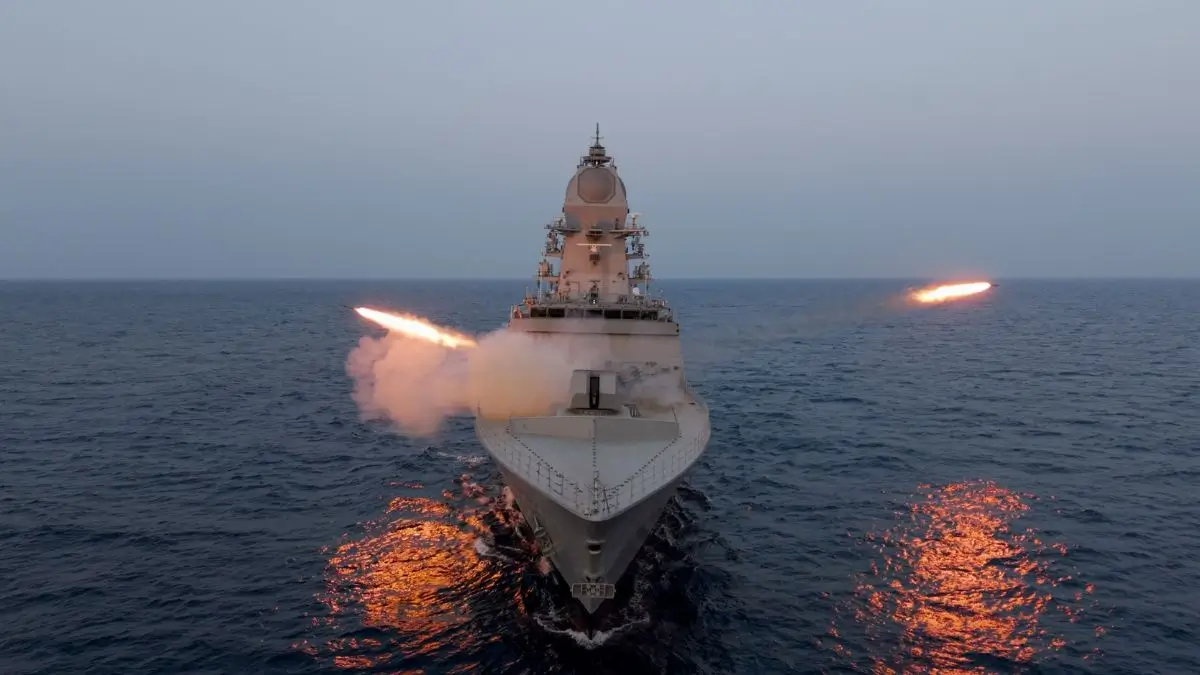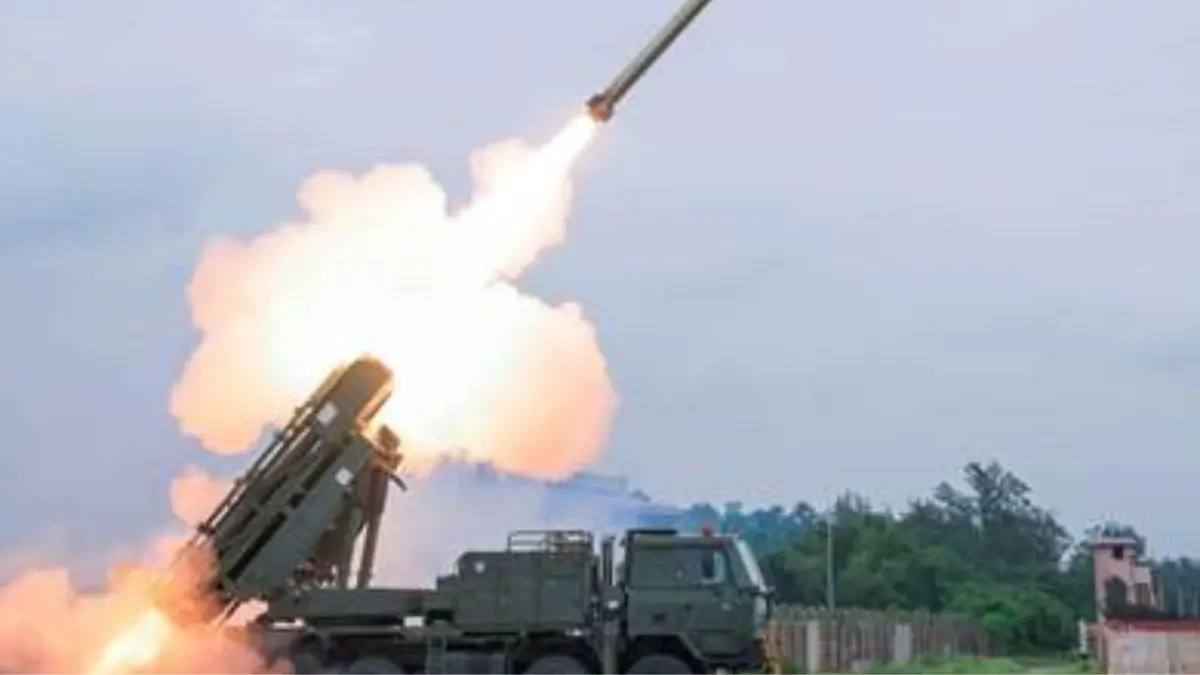



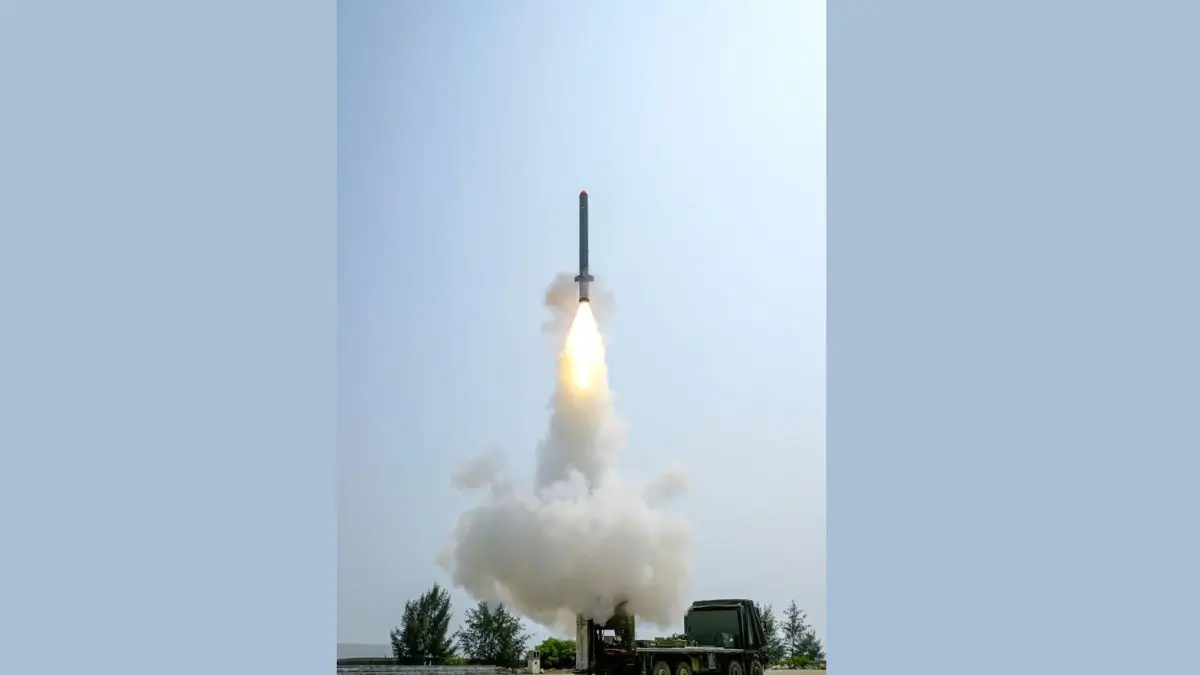
DRDO LRLACM test 2026: Long Range Land Attack Cruise Missile successfully tested in Odisha, strengthening India’s defence capability and precision strike technology under Atmanirbhar Bharat initiative.
Introduction: Major Boost to India’s Defence Capability
The Defence Research and Development Organisation (DRDO) has successfully conducted the flight test of the Long Range Land Attack Cruise Missile (LRLACM) from Dr APJ Abdul Kalam Island off the coast of Odisha. The test marks a significant milestone in India’s indigenous missile development program and strengthens the country’s long-range precision strike capability. According to defence officials, all mission objectives were fully achieved during the trial.
Successful Flight Test Conducted from Odisha Coast
Test Location and Execution Details
The missile was launched from the Integrated Test Range (ITR), Chandipur, located near Dr APJ Abdul Kalam Island in Odisha. The trial was conducted under strict security and technical monitoring conditions. Advanced radar systems, electro-optical tracking stations, and telemetry units recorded the entire flight path to ensure accurate performance analysis.
Mission Objectives Fully Achieved
As per official defence statements, the missile successfully met all pre-defined mission parameters. The test validated critical technologies including navigation accuracy, propulsion stability, and long-range targeting capability. The success confirms the reliability of India’s indigenous cruise missile development program.
Indigenous Development and Strategic Importance
Made-in-India Missile Technology
The LRLACM has been developed entirely within India by DRDO laboratories in collaboration with Indian industry partners. The Aeronautical Development Establishment (ADE), Bengaluru, serves as the nodal laboratory for the project. This reflects India’s growing self-reliance in defence manufacturing under the Atmanirbhar Bharat initiative.
Enhanced Precision Strike Capability
The missile is designed for long-range land attack operations, giving India the ability to strike strategic targets with high precision. Such systems play a crucial role in modern warfare, especially in deterrence and national security strategy.
Participation of Defence Forces and Leadership Response
Tri-Service Observation of the Test
The successful test was witnessed by senior officials from the Indian Army, Navy, and Air Force, highlighting its importance for all branches of the armed forces. This indicates that the missile system may be integrated into multiple platforms in the future.
Government and DRDO Leadership Appreciation
Defence Minister Rajnath Singh and senior DRDO officials congratulated the scientists and industry partners involved in the mission. The successful test is being seen as a key achievement in strengthening India’s defence preparedness and technological advancement.

Why This News is Important
Strengthening National Security and Defence Preparedness
The successful test of LRLACM enhances India’s strategic deterrence capability. Long-range cruise missiles allow precise targeting of enemy infrastructure while minimizing risk to armed forces. This development is crucial for India’s defence modernization strategy.
Boost to Indigenous Defence Manufacturing
This achievement reinforces India’s focus on self-reliance in defence production. The involvement of DRDO and Indian industries reflects a growing domestic ecosystem for advanced military technologies, reducing dependency on imports.
Relevance for Competitive Exams
For aspirants of UPSC, CDS, NDA, SSC, and state services, this development is important under topics like Science & Technology, Defence Technology, and Current Affairs. It also reflects India’s evolving role in global defence innovation.
Historical Context: Evolution of India’s Cruise Missile Programme
India’s missile development journey began with the Integrated Guided Missile Development Programme (IGMDP) in the 1980s under Dr APJ Abdul Kalam. Over time, India developed systems like Agni, Prithvi, and BrahMos in collaboration with Russia.
The development of indigenous cruise missile systems like LRLACM represents the next phase of this evolution. Earlier systems focused on basic delivery capability, while modern missiles emphasize precision, range, and multi-platform deployment. The LRLACM builds upon decades of research in aerodynamics, propulsion, and navigation technologies by DRDO laboratories.
Key Takeaways from DRDO LRLACM Test
| S. No. | Key Takeaway |
|---|---|
| 1 | DRDO successfully tested Long Range Land Attack Cruise Missile (LRLACM) from Odisha coast |
| 2 | The test was conducted from Dr APJ Abdul Kalam Island using Integrated Test Range (ITR) facilities |
| 3 | All mission objectives were successfully achieved during the flight test |
| 4 | The missile is indigenously developed under DRDO with support from Indian industry partners |
| 5 | The test strengthens India’s long-range precision strike and defence capability |
FAQs (Frequently Asked Questions)
Q1. What is the LRLACM tested by DRDO?
The Long Range Land Attack Cruise Missile (LRLACM) is an indigenous missile developed by DRDO designed for precision strikes on land targets over long distances.
Q2. Where was the LRLACM test conducted?
The missile test was conducted from Dr APJ Abdul Kalam Island off the coast of Odisha at the Integrated Test Range (ITR), Chandipur.
Q3. Which organization developed the LRLACM?
The missile has been developed by the Defence Research and Development Organisation (DRDO) in collaboration with Indian defence industries, with Aeronautical Development Establishment (ADE), Bengaluru as the nodal lab.
Q4. Why is the LRLACM test important for India?
It enhances India’s long-range precision strike capability, strengthens national security, and supports the goal of self-reliance in defence technology under Atmanirbhar Bharat.
Q5. Which forces observed the missile test?
The successful test was observed by senior officials from the Indian Army, Indian Navy, and Indian Air Force.
Q6. What technologies were validated in this missile test?
The test validated navigation systems, propulsion efficiency, flight stability, and long-range targeting accuracy.
Q7. How does LRLACM benefit India strategically?
It provides India with the ability to accurately strike strategic enemy targets from long distances, improving deterrence and operational flexibility.
Some Important Current Affairs Links