


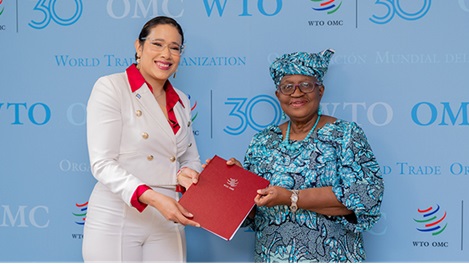
Nicaragua Becomes 101st WTO Member to Accept Fisheries Subsidies Agreement
On June 2, 2025, Nicaragua became the 101st member of the World Trade Organization (WTO) to formally accept the Agreement on Fisheries Subsidies. This milestone brings the global community closer to enforcing a landmark international treaty aimed at curbing harmful subsidies that contribute to overfishing and the depletion of marine resources.
Agreement on Fisheries Subsidies: A Global Commitment
The Agreement on Fisheries Subsidies was adopted during the WTO’s 12th Ministerial Conference in June 2022. It seeks to eliminate subsidies that lead to illegal, unreported, and unregulated (IUU) fishing, as well as those that contribute to overfishing and overcapacity. The agreement is a significant step toward sustainable fisheries management and ocean conservation.
Nicaragua’s Role in the Agreement
Nicaragua’s acceptance of the agreement signifies its commitment to sustainable fishing practices and responsible marine resource management. The country’s participation is crucial, as it adds to the growing number of WTO members supporting the treaty. With Nicaragua’s ratification, only 10 more acceptances are needed for the agreement to enter into force.
Implications for Global Fisheries
The enforcement of the Agreement on Fisheries Subsidies is expected to have far-reaching effects on global fisheries. By eliminating harmful subsidies, the agreement aims to restore fish stocks, protect marine ecosystems, and promote equitable access to marine resources for all nations. It also underscores the importance of international cooperation in addressing global environmental challenges.
Conclusion
Nicaragua’s acceptance of the Agreement on Fisheries Subsidies marks a significant step toward achieving sustainable fisheries worldwide. As more countries join the agreement, the global community moves closer to ensuring the health and longevity of the world’s oceans and marine life.

Why This News Is Important
Significance for Global Fisheries Management
The Agreement on Fisheries Subsidies represents a collective effort by WTO members to address one of the most pressing issues in global fisheries management—overfishing. By eliminating subsidies that encourage unsustainable fishing practices, the agreement aims to restore balance to marine ecosystems and ensure the long-term viability of fish stocks.
Economic Implications for Developing Nations
For developing countries like Nicaragua, the agreement offers an opportunity to shift towards more sustainable and equitable fishing practices. By phasing out harmful subsidies, these nations can invest in alternative livelihoods and sustainable fisheries management, leading to improved economic outcomes and food security.
Environmental Impact
The environmental benefits of the agreement are profound. By curbing overfishing and protecting marine biodiversity, the treaty contributes to the health of oceans, which are vital for climate regulation, carbon sequestration, and the overall health of the planet.
Strengthening International Cooperation
Nicaragua’s acceptance underscores the importance of international cooperation in addressing global environmental challenges. The agreement fosters a sense of shared responsibility among nations, highlighting the need for collaborative efforts to safeguard the planet’s resources for future generations.
Progress Toward Implementation
With only 10 more acceptances needed for the agreement to enter into force, Nicaragua’s ratification brings the global community closer to implementing a treaty that has the potential to transform global fisheries management and environmental conservation.
Historical Context
Background of the Agreement
The Agreement on Fisheries Subsidies was negotiated under the auspices of the World Trade Organization, with the aim of addressing the detrimental effects of subsidies that promote overfishing. The agreement was adopted during the WTO’s 12th Ministerial Conference in June 2022, following years of negotiations among member countries.
Challenges in Negotiations
The path to the agreement was fraught with challenges, including differing national interests and concerns over economic impacts. However, through sustained dialogue and compromise, member countries reached a consensus on the provisions of the treaty, marking a significant achievement in international environmental governance.
Nicaragua’s Engagement
Nicaragua has been an active participant in the negotiations, advocating for measures that support sustainable fishing practices and the equitable distribution of marine resources. The country’s acceptance of the agreement reflects its commitment to these principles and its recognition of the importance of global cooperation in addressing environmental issues.
Global Momentum
Nicaragua’s ratification adds to the growing momentum for the agreement, with over 100 WTO members now having accepted the treaty. This widespread support signals a collective recognition of the need to protect marine ecosystems and ensure the sustainability of global fisheries.
Impending Implementation
With only 10 more acceptances required for the agreement to enter into force, the global community is on the cusp of implementing a transformative treaty that has the potential to reshape the future of fisheries management and ocean conservation.
Key Takeaways from “Nicaragua Becomes 101st WTO Member to Accept Fisheries Subsidies Agreement”
| No. | Key Takeaway |
|---|---|
| 1. | Nicaragua’s acceptance brings the WTO closer to enforcing the Agreement on Fisheries Subsidies. |
| 2. | Only 10 more acceptances are needed for the agreement to enter into force. |
| 3. | The agreement aims to eliminate harmful subsidies that contribute to overfishing. |
| 4. | Nicaragua’s ratification underscores its commitment to sustainable fisheries management. |
| 5. | The agreement represents a significant step in international efforts to protect marine biodiversity. |
FAQs: Frequently Asked Questions
1. What is the Agreement on Fisheries Subsidies?
The Agreement on Fisheries Subsidies is a WTO treaty aimed at eliminating harmful subsidies that contribute to overfishing, illegal, unreported, and unregulated (IUU) fishing, and overcapacity in global fisheries.
2. When was the Agreement on Fisheries Subsidies adopted?
It was adopted during the 12th WTO Ministerial Conference held in June 2022.
3. Why is Nicaragua’s acceptance of the agreement significant?
Nicaragua becoming the 101st member to accept the agreement brings the global community closer to its enforcement, requiring only 10 more acceptances for it to enter into force.
4. What are the expected benefits of the Fisheries Subsidies Agreement?
The agreement aims to restore fish stocks, protect marine ecosystems, promote sustainable fishing practices, and ensure equitable access to marine resources worldwide.
5. How does this agreement impact developing countries?
It encourages developing countries to adopt sustainable fishing practices, phase out harmful subsidies, and supports long-term economic and environmental benefits.
6. What role does the WTO play in fisheries subsidies?
The WTO facilitates negotiations and enforcement of international trade agreements like the Fisheries Subsidies Agreement to regulate subsidies affecting global trade and sustainability.
Some Important Current Affairs Links