



India Maldives currency swap 2026 explained: India approves ₹30 billion under SAARC framework to boost Maldives economic stability, key facts for UPSC exams.
India Approves ₹30 Billion Currency Swap for Maldives to Boost Economic Stability
Introduction: Strengthening Economic Ties Between India and Maldives
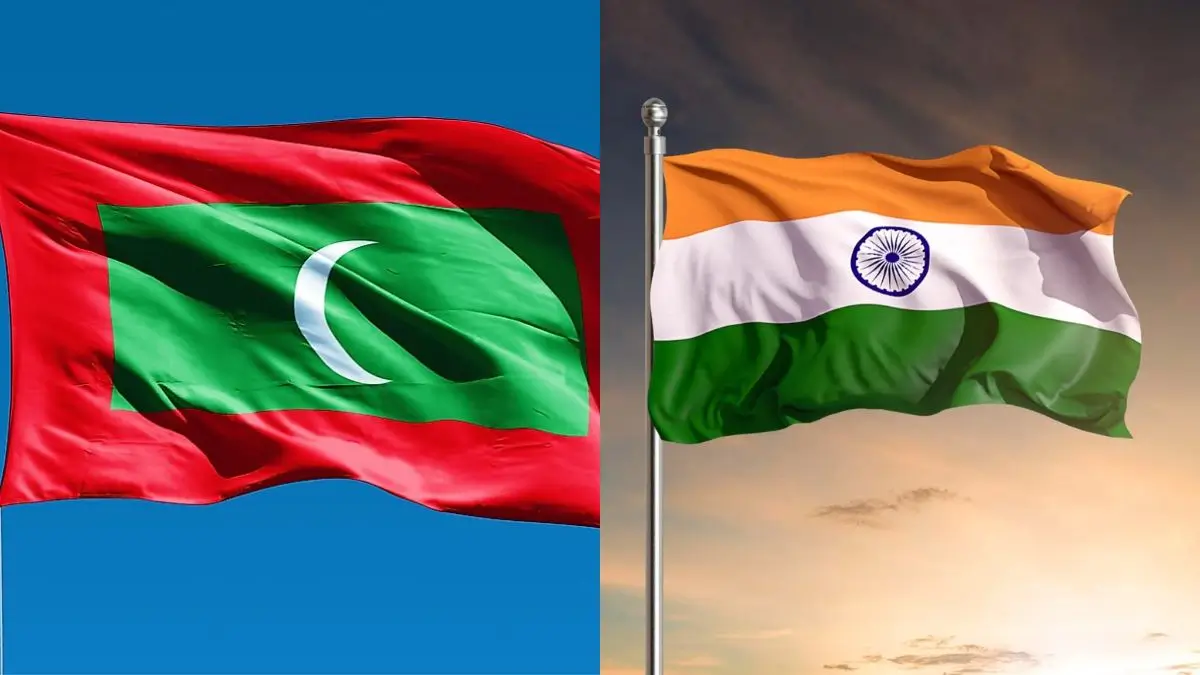
In a significant development in regional economic cooperation, India has approved a ₹30 billion currency swap facility for Maldives under the SAARC Currency Swap Framework. This move highlights India’s continued commitment to supporting neighboring economies and ensuring financial stability in South Asia.
Details of the Currency Swap Approval
The ₹30 billion (approximately ₹3,000 crore) swap facility has been sanctioned through the Indian Rupee (INR) swap window under the SAARC Currency Swap Framework (2024–2027). This facility allows Maldives to access short-term liquidity to manage foreign exchange shortages and stabilize its economy during challenging global conditions.
The agreement for this swap was formalized during the state visit of Maldives President Mohamed Muizzu to India in October 2024.
What is a Currency Swap Arrangement?
A currency swap is a financial agreement between two countries’ central banks to exchange currencies for a fixed period. It enables countries to address short-term foreign exchange liquidity issues without resorting to expensive international borrowing.
Under the SAARC framework, such arrangements are designed to strengthen regional financial cooperation and reduce economic vulnerabilities.
Recent Financial Developments Between the Two Nations
Interestingly, the approval of this ₹30 billion swap coincides with Maldives repaying a previous $400 million swap facility. This repayment demonstrates the island nation’s financial discipline and enhances trust between the two countries.
The Reserve Bank of India has already extended over $1.1 billion in support to Maldives under this framework since its inception in 2012.
Strategic and Economic Significance
India’s move is not just economic but also strategic. Under its “Neighbourhood First” policy, India aims to strengthen ties with neighboring countries and maintain stability in the Indian Ocean region.
This financial support also helps Maldives manage external shocks, maintain foreign exchange reserves, and boost investor confidence amid global uncertainties.

📌 Why This News is Important
Relevance for Competitive Exams
This development is highly relevant for aspirants preparing for exams like UPSC, SSC, Banking, Railways, and Defence. It falls under topics such as international relations, economic cooperation, and regional organizations.
Strengthening India’s Regional Leadership
India’s approval of the currency swap reinforces its role as a regional leader and a reliable partner in South Asia. It demonstrates India’s ability to provide timely financial assistance to neighboring countries, which is crucial for maintaining geopolitical balance.
Economic Stability and Financial Tools
Currency swap agreements are important tools for maintaining macroeconomic stability. They help countries manage balance of payments crises and foreign exchange shortages without relying heavily on global financial markets.
Geopolitical Importance
This move also has geopolitical significance as it strengthens India’s influence in the Indian Ocean Region. It counters the growing presence of other global powers and ensures regional stability.
📜 Historical Context
Origin of SAARC Currency Swap Framework
The SAARC Currency Swap Framework was introduced in 2012 by India to provide short-term foreign exchange liquidity support to member countries. It was designed to help nations tackle balance of payments issues and financial instability.
India-Maldives Financial Relations
India and Maldives share strong economic and strategic ties. Over the years, India has provided multiple lines of credit, grants, and financial assistance to Maldives.
The currency swap arrangement has become a key pillar of this relationship, especially during times of economic stress such as global financial crises or regional instability.
Evolution of Regional Financial Cooperation
The framework has evolved over time, with increased flexibility and larger funding windows. The current 2024–2027 framework includes both INR and USD/Euro swap windows, making it more effective in addressing diverse financial needs.
📊 Key Takeaways from This News
| S. No. | Key Takeaway |
|---|---|
| 1 | India approved a ₹30 billion currency swap for Maldives under the SAARC framework |
| 2 | The facility provides short-term liquidity to manage foreign exchange shortages |
| 3 | The agreement was finalized during President Mohamed Muizzu’s 2024 India visit |
| 4 | Maldives repaid a previous $400 million swap, showing financial discipline |
| 5 | The move strengthens India’s regional leadership and economic cooperation |
FAQs (Frequently Asked Questions)
1. What is the ₹30 billion currency swap approved by India?
It is a financial arrangement under which India provides ₹30 billion to Maldives to help manage short-term foreign exchange shortages and maintain economic stability.
2. Under which framework was this currency swap approved?
The swap was approved under the SAARC Currency Swap Framework (2024–2027), initiated by South Asian Association for Regional Cooperation to support member countries.
3. Which Indian institution implements the currency swap facility?
The facility is implemented by the Reserve Bank of India, which manages the currency exchange between India and Maldives.
4. Why is the currency swap important for Maldives?
It helps Maldives address foreign exchange shortages, stabilize its currency, and maintain investor confidence during economic challenges.
5. What is the significance of Maldives repaying the previous swap?
Maldives’ repayment of the earlier $400 million swap reflects financial discipline and strengthens trust in bilateral relations with India.
6. How does this news relate to competitive exams?
It is important for topics like International Relations, Indian Economy, SAARC, and Neighbourhood First Policy, frequently asked in UPSC, SSC, Banking, and Defence exams.
7. What is India’s ‘Neighbourhood First’ policy?
It is a foreign policy initiative focusing on strengthening relations with neighboring countries through economic, political, and strategic cooperation.
Some Important Current Affairs Links




