








ICRA cuts India FY27 GDP growth forecast to 6.2% due to rising crude oil prices and West Asia tensions. Learn economic impact, key takeaways, FAQs, and MCQs for exams.
ICRA Cuts India’s FY27 GDP Growth Forecast to 6.2% Amid Rising Crude Oil Prices
India’s Economic Growth Projection Revised Downward
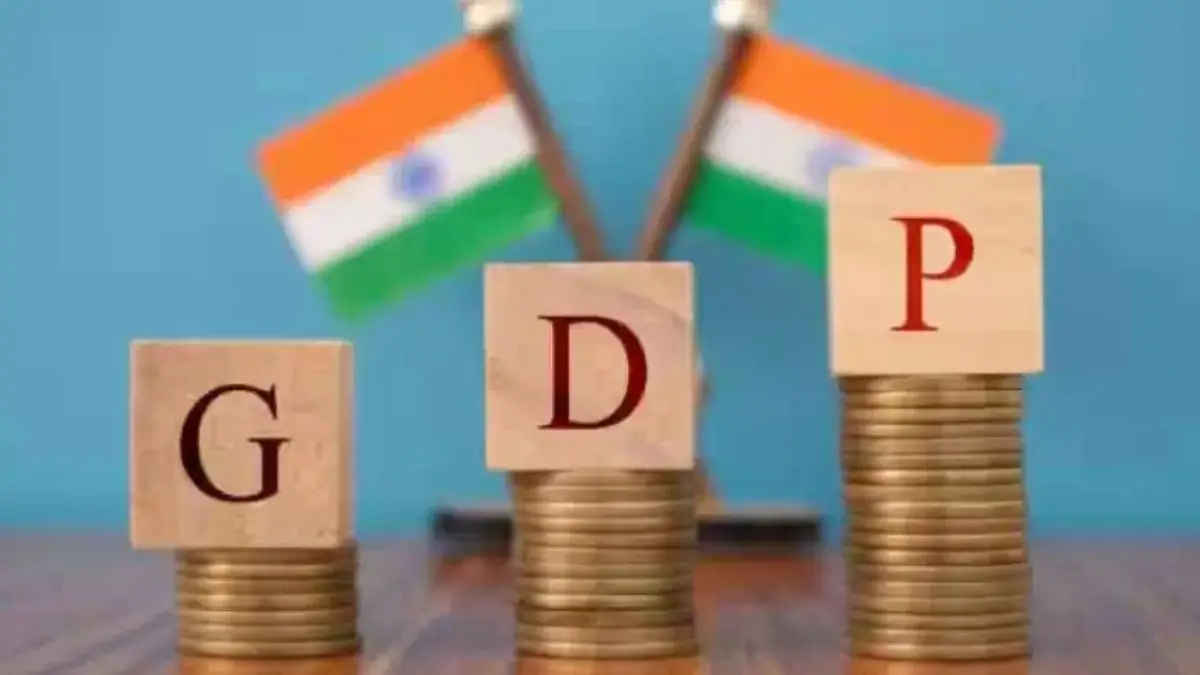
India’s economic growth outlook for the financial year 2026-27 (FY27) has been revised downward by ICRA. The rating agency reduced its GDP growth forecast from 6.5% to 6.2% due to rising global crude oil prices and ongoing geopolitical tensions in West Asia. According to the agency, elevated energy prices are expected to increase inflationary pressure and negatively impact industrial production and consumer demand.
The revised estimate comes at a time when the global economy is facing uncertainty because of supply chain disruptions and geopolitical conflicts. Crude oil prices are considered one of the most important external factors affecting India’s economy because the country imports a large portion of its petroleum requirements.
Rising Crude Oil Prices Become a Major Concern
ICRA stated that it now expects crude oil prices to average around USD 95 per barrel in FY27 compared to its earlier estimate of USD 85 per barrel. The increase has mainly been linked to the continuing crisis in West Asia, which has disrupted oil markets and increased uncertainty in global trade.
Higher crude oil prices affect India in multiple ways. They increase transportation costs, raise manufacturing expenses, and contribute to inflation. Since petroleum products are used in almost every sector of the economy, rising fuel prices eventually lead to higher prices of goods and services for consumers.
Economists believe that prolonged high oil prices can reduce household spending capacity and weaken industrial growth. This may directly impact India’s GDP growth rate in the coming fiscal year.
Impact on Inflation and Fiscal Balance
One of the biggest concerns arising from expensive crude oil imports is inflation. Higher oil prices generally increase the cost of transportation, fertilizers, food items, and electricity generation. This can lead to a rise in retail inflation and wholesale inflation across the country.
If inflation rises sharply, the Reserve Bank of India may hesitate to reduce interest rates. Higher interest rates make borrowing expensive for businesses and consumers, which can slow economic activity.
Additionally, increased oil import bills may widen India’s current account deficit and fiscal deficit. The government may also face pressure to provide fuel subsidies or reduce taxes on petroleum products to protect consumers from rising prices.
Slower Growth in Industrial and Services Sectors
ICRA has also projected that GDP growth in the fourth quarter of FY26 could moderate to around 7%, compared to 7.8% recorded in the previous quarter. The slowdown is expected due to weaker industrial output and slower growth in the services sector.
Merchandise exports are also under pressure because of global economic uncertainty and disruptions in trade routes linked to the West Asia crisis. Reduced export demand can negatively affect India’s manufacturing sector and employment generation.
However, despite the downgrade, India is still expected to remain one of the fastest-growing major economies in the world. Strong domestic consumption, infrastructure spending, and the services sector continue to provide support to economic growth.
Different Agencies Offer Mixed Growth Estimates
While ICRA has reduced its growth estimate, other financial institutions remain relatively optimistic about India’s future economic performance. For example, Morgan Stanley recently raised India’s FY27 growth forecast to 6.7%, citing strong domestic demand and government expenditure.
Similarly, reports from public sector banks and economic research agencies suggest that India’s economic fundamentals remain strong despite global challenges. However, most analysts agree that oil prices and geopolitical developments will remain critical risks for India’s economy.
Government and Policy Response
The Indian government and policymakers are closely monitoring global oil markets and geopolitical developments. Measures such as strategic petroleum reserves, diversification of energy imports, promotion of renewable energy, and infrastructure investment are expected to help reduce long-term dependence on imported crude oil.
India is also focusing on expanding solar energy, electric mobility, and ethanol blending to reduce the impact of volatile international oil prices on the domestic economy.
Experts believe that maintaining macroeconomic stability while ensuring growth will be one of the biggest challenges for policymakers in FY27.

Why This News is Important
Important for Economy and Banking Examinations
This development is highly important for candidates preparing for banking, SSC, UPSC, railways, defence, police, and state civil service examinations because questions related to GDP growth, inflation, fiscal deficit, and monetary policy are frequently asked in current affairs and economy sections.
Understanding how crude oil prices affect India’s economy helps students build conceptual clarity about macroeconomics. The topic is directly connected to inflation control, interest rate policy, external trade, and economic growth.
Relevance for UPSC and State PSC Preparation
For UPSC and State PSC aspirants, this news is important from the perspective of the Indian economy syllabus in both prelims and mains examinations. Candidates should understand the relationship between geopolitical conflicts, energy security, and economic growth.
The issue also highlights India’s dependence on imported crude oil and the need for energy diversification. Questions may also be asked about the role of rating agencies, GDP forecasting, and the impact of global crises on emerging economies like India.
Important for Interview and Essay Preparation
Topics such as inflation, economic slowdown, energy security, and fiscal management are frequently discussed in interviews, group discussions, and essay papers. Candidates should know recent GDP projections by agencies like ICRA, IMF, and Morgan Stanley for analytical answers.
Historical Context
India’s Dependence on Crude Oil Imports
India is one of the world’s largest importers of crude oil. The country imports nearly 85% of its crude oil requirements from international markets. Because of this dependence, fluctuations in global oil prices significantly impact India’s economy.
Whenever crude oil prices rise sharply, India experiences higher inflation, increased import bills, and pressure on the rupee. Past geopolitical crises in West Asia have repeatedly affected India’s economic performance.
Earlier Economic Slowdowns Linked to Oil Prices
During the 1973 Oil Crisis and the Gulf War of 1990-91, India faced severe economic challenges due to rising oil prices. Similarly, during the Russia-Ukraine conflict and recent Middle East tensions, global energy prices surged, affecting many oil-importing nations.
India has gradually attempted to reduce dependence on fossil fuels by promoting renewable energy, electric vehicles, and ethanol blending programs.
Role of Credit Rating Agencies
Organizations like ICRA, Moody’s, and other financial institutions regularly assess economic conditions and provide growth forecasts. Their reports influence investor confidence, government policy discussions, and market sentiment.
Key Takeaways from This News
| S.No. | Key Takeaway |
|---|---|
| 1 | ICRA reduced India’s FY27 GDP growth forecast from 6.5% to 6.2%. |
| 2 | Rising crude oil prices due to the West Asia crisis are the main reason for the downgrade. |
| 3 | ICRA expects crude oil prices to average USD 95 per barrel in FY27. |
| 4 | High oil prices may increase inflation, fiscal pressure, and import bills for India. |
| 5 | The news is important for UPSC, SSC, Banking, Railways, Defence, and State PSC examinations. |
Frequently Asked Questions (FAQs)
1. What is ICRA and why is it important?
ICRA is a leading credit rating and investment information agency in India. It provides independent analysis of economic trends, GDP forecasts, and corporate credit ratings, which are widely used by policymakers and investors.
2. Why has India’s FY27 GDP growth forecast been reduced?
ICRA reduced the forecast mainly due to rising crude oil prices, geopolitical tensions in West Asia, and expected inflationary pressure affecting consumption and investment.
3. How do crude oil prices affect India’s economy?
Since India imports most of its crude oil, higher prices increase import bills, transportation costs, inflation, and fiscal deficit, ultimately slowing GDP growth.
4. What is the expected crude oil price for FY27 according to ICRA?
ICRA expects crude oil prices to average around USD 95 per barrel in FY27, higher than its previous estimate of USD 85.
5. Which sectors are most affected by rising oil prices?
Transport, manufacturing, agriculture (fertilizer costs), and logistics sectors are most affected due to higher fuel and input costs.
6. How does inflation impact GDP growth?
High inflation reduces consumer purchasing power and increases interest rates, which can slow down investment and overall economic growth.
7. Is India still among the fastest-growing economies despite the downgrade?
Yes, despite the revised forecast, India is still expected to remain one of the fastest-growing major economies globally.
Some Important Current Affairs Links