




India Norway Green Strategic Partnership highlights PM Modi’s historic Norway visit, clean energy cooperation, blue economy initiatives, India-Nordic Summit outcomes, and key current affairs for UPSC, SSC, Banking, Railways, Defence, and PSC exams.
India and Norway Elevate Ties to Green Strategic Partnership During PM Modi’s Historic Visit
Historic Visit Strengthens India-Norway Relations
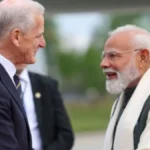
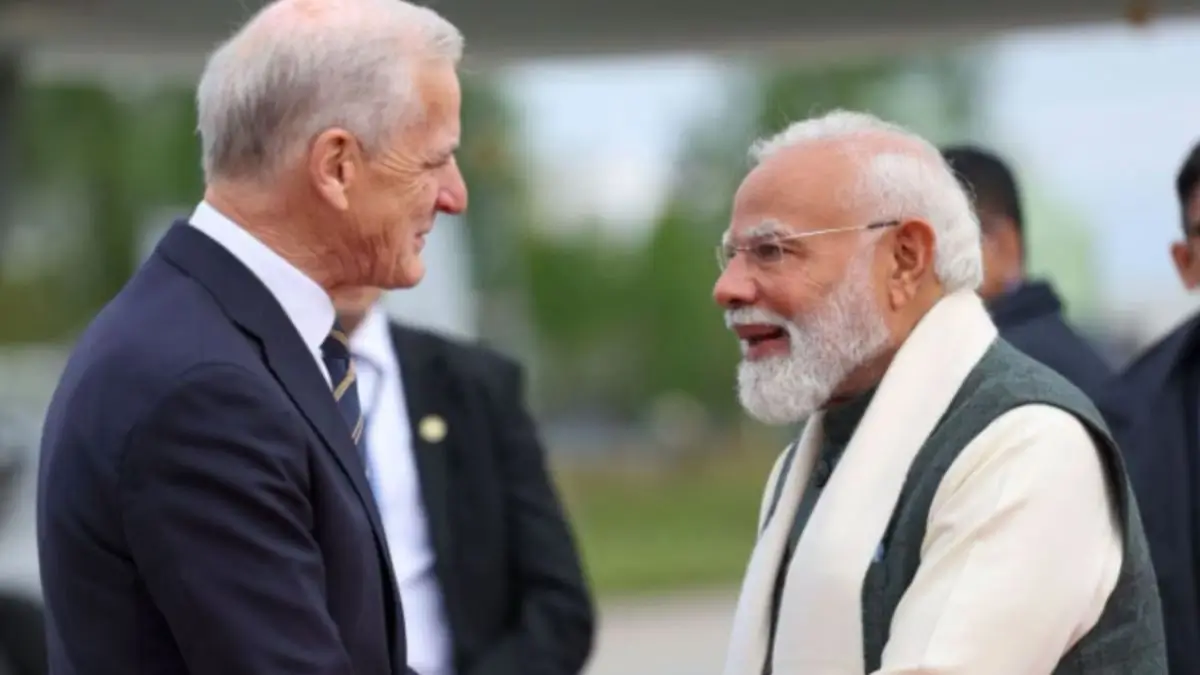
Prime Minister Narendra Modi made a historic official visit to Norway, marking the first visit by an Indian Prime Minister to the Nordic nation in more than four decades. During the visit, India and Norway upgraded their bilateral relations to a “Green Strategic Partnership,” focusing on sustainable development, climate action, renewable energy, and technological cooperation.
The announcement was made after bilateral discussions between PM Modi and Norwegian Prime Minister Jonas Gahr Støre in Oslo. The partnership reflects the growing importance of green diplomacy and sustainable economic cooperation in global politics.
Focus on Clean Energy and Green Transition
One of the most significant aspects of the partnership is cooperation in clean energy and green transition technologies. India aims to accelerate its renewable energy targets and green industrial development, while Norway brings expertise in green shipping, offshore energy, carbon capture, and sustainable maritime technologies.
PM Modi stated that India’s scale, speed, and talent would combine with Norway’s technology and investment capabilities to create global solutions in sectors such as climate resilience, renewable energy, and sustainable infrastructure.
The partnership also supports India’s long-term climate goals, including achieving net-zero carbon emissions by 2070 and expanding renewable energy capacity significantly in the coming years.
Cooperation in Blue Economy and Green Shipping
Another important area of collaboration is the Blue Economy. Both countries agreed to strengthen cooperation in sustainable ocean management, fisheries, maritime trade, and green shipping initiatives. Norway is a global leader in maritime innovation and eco-friendly shipping technology, making it a valuable partner for India’s growing maritime sector.
India’s Sagarmala initiative and focus on port-led development can benefit from Norwegian expertise in clean maritime transport systems and sustainable coastal development.
Agreements Signed During the Visit
During the visit, India and Norway signed several agreements and memorandums of understanding covering sectors such as:
- Space cooperation
- Digital development
- Healthcare and medical research
- Climate and environmental sustainability
- Scientific research and innovation
- Maritime collaboration
Reports indicate that around 12 agreements and initiatives were finalized to deepen bilateral engagement between the two nations.
Importance of India-Nordic Cooperation
The visit also took place alongside the India-Nordic Summit, where India expanded cooperation with Nordic countries including Denmark, Finland, Iceland, and Sweden. The summit highlighted collaboration in advanced manufacturing, digital technologies, artificial intelligence, 6G communication systems, and green technology innovation.
Nordic nations are globally recognized for innovation, sustainability, and clean technologies. India’s engagement with these countries strengthens its economic modernization and strategic positioning in Europe.
Strategic and Geopolitical Significance
India and Norway also discussed major global issues including conflicts in Ukraine and West Asia. Both countries emphasized dialogue, diplomacy, and adherence to a rules-based international order.
The partnership demonstrates India’s increasing diplomatic outreach in Europe and its strategy of building issue-based global alliances centered on sustainability, innovation, and economic growth.

Why This News is Important
Important for International Relations and Diplomacy
The elevation of India-Norway relations to a Green Strategic Partnership is important because it reflects India’s growing diplomatic engagement with European and Nordic countries. Such partnerships help India diversify its global alliances beyond traditional strategic partners like the United States and Russia.
For competitive exams, this development is relevant under topics like India’s Foreign Policy, Bilateral Relations, Climate Diplomacy, and International Cooperation.
Significance for Climate and Renewable Energy Goals
The agreement is especially important in the context of global climate challenges. India is working aggressively toward renewable energy expansion, green hydrogen production, and sustainable industrial growth. Norway’s expertise in clean technology and sustainable maritime systems can help India achieve these goals more efficiently.
Questions related to climate agreements, renewable energy partnerships, and sustainability initiatives are frequently asked in UPSC, SSC, Banking, Railways, and State PSC examinations.
Relevance for Economic and Technological Development
The partnership also opens opportunities for investment, innovation, and technology transfer. Cooperation in digital development, green shipping, artificial intelligence, and maritime sectors can strengthen India’s economy and create new employment opportunities.
Such developments are important for aspirants preparing for descriptive papers, essays, interviews, and group discussions in government examinations.
Historical Context
Evolution of India-Norway Relations
India and Norway established diplomatic relations in 1947 soon after India gained independence. Over the years, both countries have cooperated in areas such as shipping, fisheries, renewable energy, and ocean research.
Norway has consistently supported sustainable development initiatives and environmental conservation efforts globally. India and Norway have also collaborated in multilateral institutions including the United Nations.
India-Nordic Summit Background
The India-Nordic Summit was first launched in 2018 to strengthen India’s engagement with Nordic countries. These countries include Norway, Sweden, Denmark, Finland, and Iceland. The summit focuses on innovation, clean energy, sustainability, Arctic cooperation, and emerging technologies.
The second India-Nordic Summit was held in Copenhagen in 2022, where leaders discussed renewable energy, blue economy, and digital transformation. PM Modi’s recent Norway visit further strengthens these evolving strategic ties.
Norway’s Global Leadership in Green Technology
Norway is considered one of the world’s leading countries in sustainable maritime transport, electric mobility, hydropower generation, and green industrial technologies. Its expertise in climate-friendly technologies makes it an important strategic partner for countries aiming to transition toward green economies.
India’s focus on achieving net-zero emissions and expanding clean energy infrastructure aligns closely with Norway’s global sustainability leadership.
Key Takeaways from India-Norway Green Strategic Partnership
| S.No. | Key Takeaway |
|---|---|
| 1 | India and Norway elevated bilateral ties to a “Green Strategic Partnership.” |
| 2 | PM Narendra Modi became the first Indian Prime Minister to visit Norway in over 40 years. |
| 3 | The partnership focuses on clean energy, climate resilience, blue economy, and green shipping. |
| 4 | Around 12 agreements were signed in sectors including health, digital development, maritime cooperation, and space. |
| 5 | The development strengthens India’s strategic engagement with Nordic countries and supports climate diplomacy goals. |
FAQs
Frequently Asked Questions on India-Norway Green Strategic Partnership
1. What is the Green Strategic Partnership between India and Norway?
The Green Strategic Partnership is an upgraded bilateral relationship between India and Norway focused on clean energy, climate resilience, green shipping, renewable energy, maritime cooperation, and sustainable development.
2. Why is PM Modi’s Norway visit considered historic?
Prime Minister Narendra Modi’s visit is considered historic because he became the first Indian Prime Minister to officially visit Norway in more than 40 years.
3. Which sectors are included in the India-Norway partnership?
The partnership includes cooperation in:
- Clean energy
- Blue economy
- Green shipping
- Digital technology
- Space research
- Healthcare
- Climate resilience
- Arctic research
4. Who is the Prime Minister of Norway?
The current Prime Minister of Norway is Jonas Gahr Støre.
5. What is the Blue Economy?
Blue Economy refers to the sustainable use of ocean resources for economic growth, employment generation, and environmental protection.
6. What is India’s target year for achieving net-zero emissions?
India has announced a target to achieve net-zero carbon emissions by the year 2070.
7. Which summit was held alongside PM Modi’s Norway visit?
The India-Nordic Summit was held alongside the Norway visit, involving countries such as Norway, Sweden, Finland, Denmark, and Iceland.
8. What is Norway known for globally?
Norway is globally recognized for:
- Green technology
- Sustainable shipping
- Hydropower generation
- Electric mobility
- Climate-friendly innovation
9. Which Indian initiative can benefit from Norwegian maritime expertise?
India’s Sagarmala Programme and green port initiatives can benefit from Norwegian expertise in sustainable maritime technologies.
10. Why is this topic important for competitive exams?
This topic is important for UPSC, SSC, Banking, Railways, Defence, and State PSC exams under:
Economic Development
International Relations
Climate Change
Renewable Energy
India’s Foreign Policy
Environment and Ecology
Some Important Current Affairs Links