




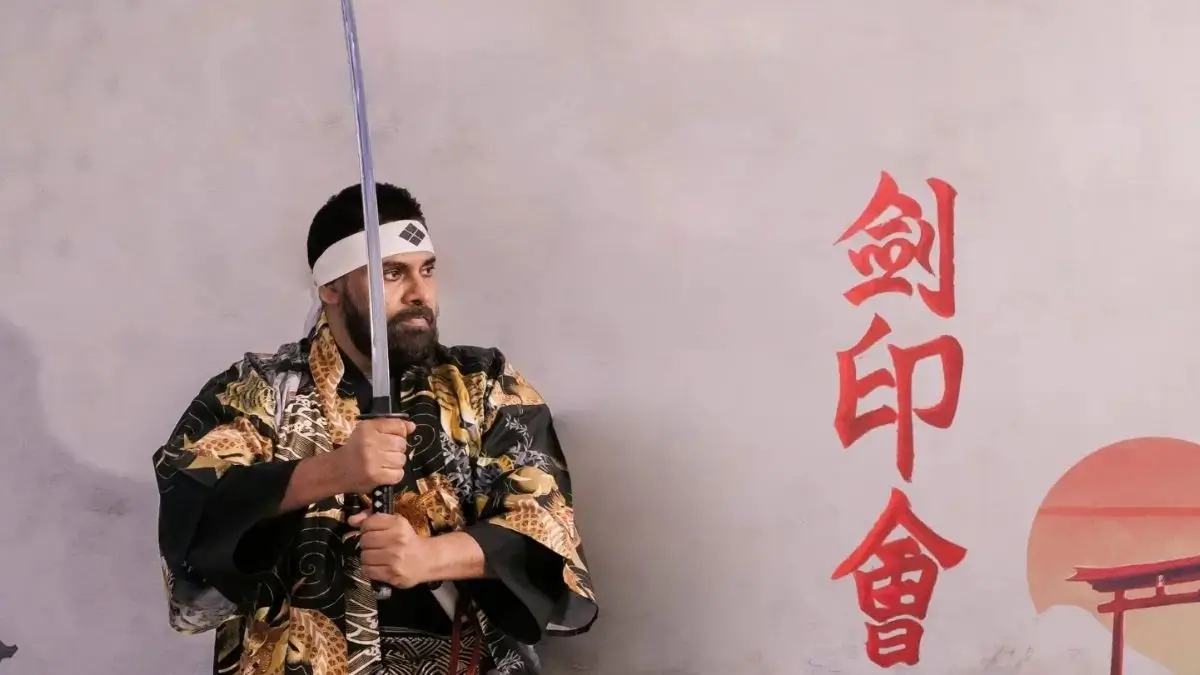
Pawan Kalyan becomes the first Indian to receive a rare Samurai martial arts honour in Kenjutsu, awarded the Tiger of Martial Arts title.
Pawan Kalyan Becomes First Indian to Receive Rare Samurai Martial Arts Honour
Informative Current Affairs Article for Competitive Exams
Andhra Pradesh Deputy Chief Minister Pawan Kalyan, a prominent actor-turned-politician, has etched his name in history by receiving a rare international recognition in classical Japanese martial arts, becoming the first Indian to be honoured in the elite Samurai tradition outside Japan.
This significant achievement was conferred on 11 January 2026, when Pawan Kalyan was officially inducted into Kenjutsu — the ancient Japanese art of swordsmanship — and awarded the title “Tiger of Martial Arts.”
The prestigious accolade included the Fifth Dan (5th Dan) rank bestowed by Sogo Budo Kanri Kai, a respected authority in traditional Japanese martial arts. Being awarded the Fifth Dan reflects advanced expertise and mastery over the art, which is a rare recognition for practitioners outside Japan.
In addition, Pawan Kalyan was inducted into the traditional Takeda Shingen Clan under the lineage of Soke Muramatsu Sensei, making him the first Telugu-speaking person and one of the very few non-Japanese individuals to receive this honour.
Pawan Kalyan’s Martial Arts Journey
Pawan Kalyan’s martial arts journey began many years ago in Chennai, where he trained in Karate and developed a deep interest in martial traditions. Over decades, his training evolved to include Kenjutsu and Kendo — the swordsmanship variants rooted in Samurai culture.
Under the mentorship of Hanshi Professor Dr. Siddiq Mahmoodi, one of India’s leading experts in Japanese martial arts, Kalyan honed his skills and philosophical understanding of martial discipline. His rigorous training spanned over three decades, demonstrating sustained commitment and personal discipline.
Recognition Beyond Borders
Being inducted into Kenjutsu is not simply about physical skill, but also about long-term dedication to Bushidō — the Samurai code emphasizing respect, integrity, courage, patience, and humility. These values align closely with leadership and personal development, traits often highlighted in national competitive exam syllabi under ethics and character studies.
The title “Tiger of Martial Arts”, given by the Golden Dragons organisation, recognizes not only his technical achievements but also his influence in promoting martial arts values globally.
This achievement has earned widespread attention across national media and public platforms, positioning Pawan Kalyan as a unique figure who blends cinema, politics, and classical martial tradition, making it highly relevant for current affairs sections of competitive examinations.

Why This News Is Important for Government Exam Aspirants
Significance for Current Affairs
This news holds significance for general knowledge and current affairs, two key sections in exams like SSC CGL, Banking (IBPS/SBI), Railways, and PSC/UPSC Civil Services. It highlights international recognition of an Indian personality, showcasing India’s global cultural presence.
Cultural & Soft Diplomacy Angle
The event not only exemplifies an individual achievement but also reflects cultural diplomacy between India and Japan. Students preparing for international relations questions should note how cultural exchanges — such as martial arts recognition — foster goodwill and shared heritage awareness.
Ethics and Values in Leadership
The Samurai tradition — rooted in discipline, respect, and ethical conduct — resonates with the ethics, integrity, and aptitude segments of exams like UPSC and State PSCs. Understanding such a story can help candidates craft insightful answers on leadership and personal character development.
Inspirational Example
Exam questions often cover noteworthy achievements by Indians that inspire youth. This news serves as a valuable example showing long-term dedication and multidisciplinary excellence (sports, arts, public life), reinforcing aspirants’ understanding of contemporary role models.
Historical Context: Samurai, Kenjutsu, and Indian Recognition
Origins of Samurai and Martial Traditions
The Samurai were the warrior class of feudal Japan, known for their strict code of conduct — Bushidō — emphasizing virtues like loyalty, bravery, and honour. Martial arts such as Kenjutsu (art of the sword) formed the core of their training.
Kenjutsu Explained
Kenjutsu means “the method or technique of the sword.” It evolved during Japan’s feudal period and was practiced by Samurai warriors as both a combat and philosophical discipline. Over centuries, it transformed into various forms, influencing modern Japanese martial arts like Kendo.
Global Recognition in Martial Arts
While Kenjutsu and other Samurai arts remained primarily within Japan for centuries, globalization has spread these traditions worldwide. Martial artists from different countries study these disciplines for physical, ethical, and cultural mastery.
Pawan Kalyan’s Place in History
Pawan Kalyan’s induction into Kenjutsu and receipt of the ‘Tiger of Martial Arts’ title marks a rare milestone for an Indian. It symbolizes the cross-cultural acceptance of Indian practitioners in traditional Japanese warrior institutions — a subject of interest for history and culture segments of competitive exams.
Key Takeaways from Pawan Kalyan’s Samurai Honour
| Sr. No. | Key Takeaway |
|---|---|
| 1. | Pawan Kalyan became the first Indian to be honoured in the Samurai martial arts tradition outside Japan. |
| 2. | He was formally inducted into Kenjutsu, the ancient Japanese art of swordsmanship. |
| 3. | He received the Fifth Dan (5th Dan) rank from Sogo Budo Kanri Kai, a prestigious recognition. |
| 4. | Pawan Kalyan also received the title “Tiger of Martial Arts” from the Golden Dragons organisation. |
| 5. | His martial arts journey spans over three decades, showing dedication and discipline. |
FAQs: Frequently Asked Questions
1. Who is Pawan Kalyan?
Pawan Kalyan is a renowned Telugu actor, politician, and the Deputy Chief Minister of Andhra Pradesh. He has been active in cinema and public service and is known for his martial arts expertise.
2. What is the Samurai martial arts honour received by Pawan Kalyan?
He received a rare international recognition in Kenjutsu, a classical Japanese martial art, and was awarded the “Tiger of Martial Arts” title. He became the first Indian to be inducted into this Samurai tradition outside Japan.
3. What is Kenjutsu?
Kenjutsu is an ancient Japanese martial art focused on swordsmanship, historically practiced by the Samurai class. It emphasizes discipline, technique, and adherence to the Bushidō code of ethics.
4. What rank did Pawan Kalyan achieve in Kenjutsu?
He achieved the Fifth Dan (5th Dan) rank, a high-level mastery reflecting decades of training and proficiency in martial arts.
5. Why is this achievement important for India?
This recognition highlights India’s presence in global cultural and martial arts arenas. It also reflects the country’s soft power and cross-cultural achievements, which are often relevant in exams covering current affairs, international relations, and ethics.
6. Who conferred this honour to Pawan Kalyan?
The honour was conferred by Sogo Budo Kanri Kai under the guidance of Soke Muramatsu Sensei, an authority in traditional Japanese martial arts.
7. What are the values associated with Samurai and Kenjutsu?
Samurai values, known as Bushidō, include courage, loyalty, integrity, respect, and humility, which are significant for personal development and leadership studies.
Some Important Current Affairs Links