




Lothal maritime heritage India: India and Netherlands join hands to develop the National Maritime Heritage Complex, preserving ancient Indus Valley trade and promoting cultural diplomacy.
India–Netherlands Collaborate to Promote Lothal Maritime Heritage
Introduction: A Cultural and Historical Partnership
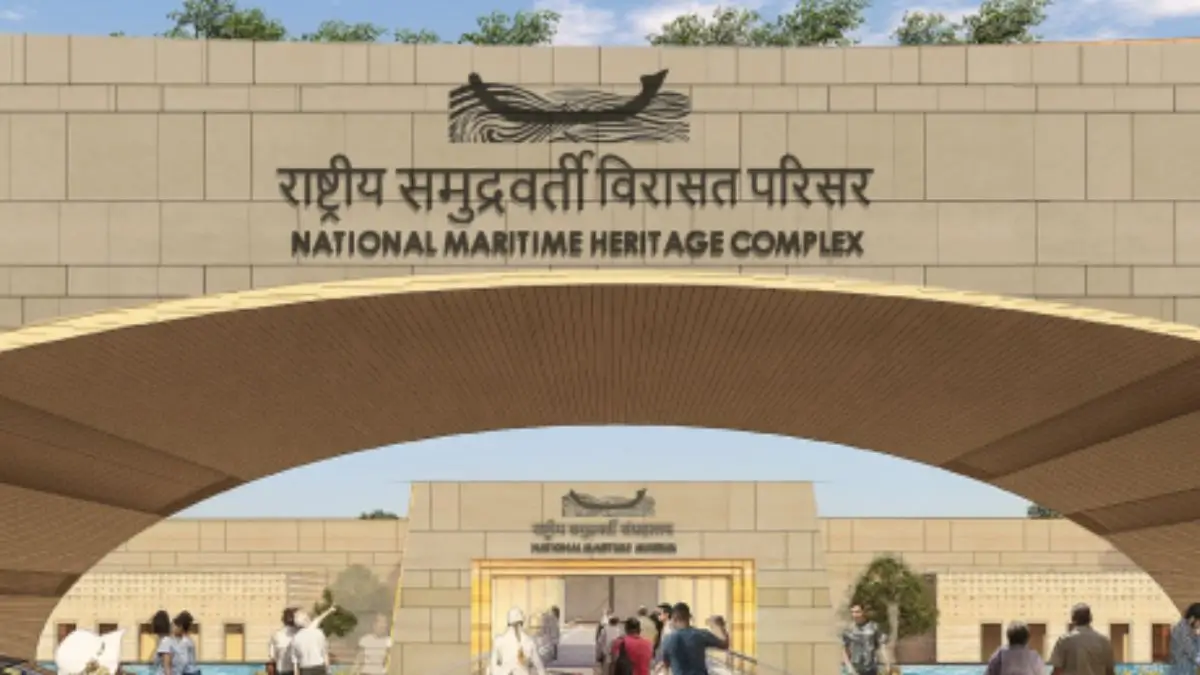
India and the Netherlands have taken a significant step to preserve and showcase India’s rich maritime history by signing a Memorandum of Understanding (MoU) for cooperation on the National Maritime Heritage Complex (NMHC) at Lothal in Gujarat. This collaboration aims to combine expertise from both countries to enhance museum planning, artefact conservation, exhibitions, and cultural exchange. The agreement reflects a deepening of cultural ties and underscores a shared commitment to preserving ancient history on a global platform.
What the MoU Entails
The partnership between India’s Ministry of Ports, Shipping and Waterways and the National Maritime Museum, Amsterdam under this MoU will involve technical cooperation in multiple areas. These include:
- Museum design and layout planning
- Conservation techniques for ancient artefacts
- Research on maritime traditions
- Joint exhibitions to promote global awareness
- Student and expert exchanges for knowledge sharing
This collaboration aims to enhance the NMHC project’s global recognition and technical standards, making it a world-class destination for heritage and education.
Lothal: India’s Ancient Maritime Hub
Lothal was an important port city of the Indus Valley Civilization, dating back over 4,500 years. It features one of the world’s earliest known dockyards, engineered to deal with tidal water and maritime trade. Archaeological excavations have shown that Lothal was a significant centre for trade, shipbuilding, and cultural exchange with ancient civilizations like Mesopotamia.
The NMHC project is designed to revive and interpret this heritage through galleries, thematic parks, interactive exhibits, and educational facilities that trace India’s maritime journey from ancient to modern times.
Significance for Tourism and Economy
Once complete, the NMHC at Lothal is expected to become a major tourism hub, attracting scholars, students, and international visitors. It will also generate employment and boost local industries, including hospitality, cultural crafts, and allied services. The project’s development is part of the Government of India’s vision to enhance heritage conservation while supporting sustainable economic growth in the region.
Conclusion: Enhancing Global Recognition
This collaborative initiative not only strengthens cultural ties between India and the Netherlands but also positions India’s maritime legacy on the global map. Through joint expertise and shared heritage values, the project highlights how ancient civilizations contributed to early global trade and interaction — a topic of significant relevance in history, culture, and world affairs sections of competitive exams.

Why This News Is Important for Exam Aspirants
Cultural Heritage and International Cooperation
The MoU between India and the Netherlands is crucial because it represents international cooperation to preserve and promote world heritage. Competitive exams often test candidates on global collaborations that enhance cultural preservation and diplomatic engagement.
Historical Relevance
Lothal, a site from the Indus Valley Civilization, is historically significant due to its ancient dockyard and maritime trade activities. Understanding these foundations helps aspirants in the History and Culture sections of exams such as UPSC, SSC CGL, and state PSCs.
Government Initiatives and Policy Knowledge
This news highlights government efforts to develop heritage infrastructure under initiatives like the National Maritime Heritage Complex, which students should know for General Awareness, Economy, and Polity sections. It reflects how heritage projects can also support tourism, economy, employment, and international diplomacy.
Interdisciplinary Relevance
The collaboration touches on diplomacy, culture, education, tourism, and economic development — all key areas in competitive exams. Students must be able to connect a cultural heritage topic with broader themes like bilateral relations and national development.
Historical Context: The Legacy of Lothal and India’s Maritime Tradition
Ancient Maritime Hub
Lothal, located in present-day Gujarat, was a thriving centre of trade and shipbuilding in the Indus Valley Civilization (circa 2400–1900 BCE). The city housed a sophisticated dockyard linked to the Sabarmati River and the Arabian Sea, facilitating trade with Mesopotamia and other ancient cultures.
Engineering and Trade
Archaeologists have found evidence of meticulous urban planning, bead-making units, and maritime tools, illustrating Lothal’s role as an advanced seafaring and commercial hub in prehistoric times. Its dockyard, structures, and artefacts reveal the high level of civil engineering and trade practices at that time.
Modern Revival through NMHC
The National Maritime Heritage Complex project is part of India’s modern effort to revive this historical identity by creating comprehensive museums, educational spaces, and cultural exhibits. Initiated by the Government of India under the Ministry of Ports, Shipping and Waterways, the project is designed to preserve history while connecting it to future generations through tourism and academic study.
Key Takeaways from “India–Netherlands Maritime Heritage Collaboration”
| S. No. | Key Takeaway |
|---|---|
| 1 | India and the Netherlands signed an MoU to collaborate on the National Maritime Heritage Complex (NMHC) at Lothal, Gujarat. |
| 2 | The partnership includes museum design, artefact conservation, research, and cultural exchange. |
| 3 | Lothal was an ancient Indus Valley port city with one of the world’s earliest dockyards. |
| 4 | The NMHC project will boost tourism, education, and economic development in the region. |
| 5 | The collaboration highlights India’s efforts to preserve global heritage and strengthen cultural diplomacy. |
FAQs: Frequently Asked Questions
When was Lothal part of the Indus Valley Civilization?
Lothal was an active port city during the Harappan period, around 2400–1900 BCE.
What is the National Maritime Heritage Complex (NMHC) at Lothal?
The NMHC is a government initiative in Gujarat to showcase India’s maritime history, including ancient trade, shipbuilding, and seafaring traditions, through museums, exhibits, and educational facilities.
Which countries signed the MoU to collaborate on Lothal maritime heritage?
India and the Netherlands signed the Memorandum of Understanding to work together on museum design, artefact conservation, research, and cultural exchange at Lothal.
Why is Lothal historically significant?
Lothal, part of the Indus Valley Civilization (2400–1900 BCE), was an important port city with one of the world’s earliest known dockyards, facilitating maritime trade with Mesopotamia and other ancient civilizations.
What are the key areas of cooperation under the India–Netherlands MoU?
Key areas include museum design and layout planning, conservation of artefacts, research on maritime heritage, joint exhibitions, and student/expert exchanges for knowledge sharing.
How will NMHC benefit tourism and the economy?
The project is expected to attract international tourists, scholars, and students, generate employment opportunities, and support local industries like hospitality and handicrafts.
Which ministry of India is leading the NMHC project?
The Ministry of Ports, Shipping and Waterways is spearheading the National Maritime Heritage Complex project at Lothal.
How does this collaboration strengthen India–Netherlands relations?
By promoting shared heritage, cultural exchange, and technical expertise, the MoU enhances diplomatic and cultural ties between the two nations.
What kind of exhibits can visitors expect at NMHC?
Visitors can expect interactive galleries, thematic parks, maritime artefacts, ship replicas, and educational spaces depicting India’s maritime history from ancient to modern times.
Which ancient civilizations did Lothal trade with?
Lothal had trade connections with Mesopotamia, Oman, and other regions, highlighting India’s early global maritime links.
Some Important Current Affairs Links