







Agnikul to Flight Test 3D Printed Engine by Year End
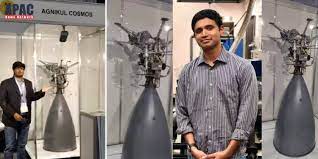
Agnikul, a pioneering space technology startup in India, is gearing up to conduct flight tests for its 3D-printed engine by the end of this year. This innovative step marks a significant milestone in India’s space technology sector, promising advancements in satellite launch capabilities and fostering indigenous manufacturing processes. Agnikul’s relentless pursuit of cutting-edge technology in rocket manufacturing positions it as a crucial player in the global aerospace industry.
The startup’s development of a fully 3D-printed rocket engine is poised to revolutionize space technology. The successful testing of this engine is anticipated to enhance the efficiency and cost-effectiveness of satellite launches, setting a benchmark for reliability and precision in the field.

Why this News is Important:
Pioneering Technological Advancements: The imminent flight testing of Agnikul’s 3D-printed engine represents a crucial advancement in India’s space technology. This marks a pivotal moment in the quest for indigenous rocket manufacturing, augmenting the nation’s capabilities in satellite launches and fostering self-reliance in space exploration.
Contributing to National Initiatives: Agnikul’s strides align with government initiatives such as “Make in India” and “Atmanirbhar Bharat,” amplifying India’s journey toward self-sufficiency in space technology. This underscores the significance of indigenous innovation and its pivotal role in shaping the nation’s space missions.
Historical Context:
India’s space program has been progressively evolving since its inception. Organizations like ISRO (Indian Space Research Organisation) have been instrumental in achieving various milestones in space technology. The nation’s successful missions, including the Mars Orbiter Mission (Mangalyaan) and Chandrayaan missions, have garnered international recognition and strengthened India’s position in space exploration.
Key Takeaways from “Agnikul to Flight Test 3D Printed Engine by Year End”:
| Serial Number | Key Takeaway |
|---|---|
| 1. | Agnikul, an Indian startup, plans 3D-printed engine tests by year-end. |
| 2. | This milestone could significantly enhance satellite launch efficiency. |
| 3. | Aligns with Indian government initiatives for self-reliance in space technology. |
| 4. | Represents a significant leap in indigenous rocket manufacturing. |
| 5. | Crucial for aspirants preparing for government exams related to space technology. |
Important FAQs for Students from this News
What is Agnikul’s significance in the space technology sector?
Agnikul represents a pioneering startup in India’s space technology, aiming to conduct flight tests for its 3D-printed engine. This innovation promises advancements in satellite launch capabilities and indigenous rocket manufacturing.
How does Agnikul’s 3D-printed engine contribute to India’s space initiatives?
The 3D-printed engine’s successful testing aligns with the government’s initiatives like “Make in India” and “Atmanirbhar Bharat,” emphasizing self-reliance in space technology and reducing dependency on foreign resources.
What impact might Agnikul’s advancements have on aspiring candidates for government exams?
Aspiring candidates preparing for government exams related to space technology can benefit by staying updated on Agnikul’s breakthroughs. Understanding these advancements can enhance their knowledge base and preparation strategies.
How does this milestone affect India’s position in the global aerospace industry?
Agnikul’s strides towards innovative rocket manufacturing positions India as a significant player in the global aerospace sector, showcasing advancements and potential for cost-effective, reliable satellite launches.
What are the broader implications of Agnikul’s 3D-printed engine in the field of space exploration?
The successful testing of Agnikul’s 3D-printed engine signifies a leap in indigenous technology, potentially revolutionizing space exploration by enhancing efficiency, reliability, and reducing costs in satellite launches.
Some Important Current Affairs Links