








Introduction
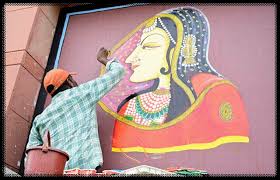
Project PARI (Public Art for Resilient and Inclusive Spaces) is an innovative initiative aimed at revitalizing public spaces through the power of art. Launched to enhance urban aesthetics and cultural expression, the project seeks to promote community engagement, inclusivity, and sustainability by transforming neglected urban areas into vibrant, artistic spaces.
Transforming Public Spaces with Art
The primary objective of Project PARI is to use art as a tool for urban rejuvenation. By incorporating murals, street art, and interactive installations, the initiative aims to turn neglected areas into dynamic spaces that inspire creativity and social interaction. This effort not only enhances the visual appeal of cities but also fosters a sense of community pride and belonging.
Role of Government and Collaborations
Project PARI is a collaborative effort involving government bodies, local municipalities, artists, and non-governmental organizations (NGOs). Various state and central government departments support the project, recognizing the role of public art in urban development. Partnerships with artists and creative professionals help bring unique perspectives to urban spaces, making them more engaging and interactive for residents and visitors alike.
Impact on Tourism and Economy
Public art initiatives like Project PARI have a direct impact on tourism and the local economy. Cities with vibrant art scenes attract tourists, which in turn boosts local businesses such as cafes, souvenir shops, and cultural centers. Additionally, street art festivals and cultural events associated with the project provide employment opportunities for artists and artisans, contributing to economic growth.
Encouraging Social Change and Inclusivity
Beyond beautification, Project PARI aims to address social issues through thematic artworks that reflect the struggles and aspirations of communities. Public art serves as a powerful medium to spread awareness about environmental sustainability, gender equality, and cultural diversity. By involving marginalized groups, the project fosters inclusivity and ensures that diverse voices are represented in urban landscapes.
Sustainability and Eco-Friendly Art Practices
A significant aspect of Project PARI is its emphasis on sustainability. Artists use eco-friendly materials such as biodegradable paints, recycled materials, and energy-efficient lighting for their installations. This aligns with global efforts to promote sustainable urban development and minimize environmental impact.
Why This News Is Important?
1. Revitalization of Urban Spaces
Project PARI addresses the issue of urban decay by transforming neglected spaces into artistic landmarks. This revitalization fosters civic pride and creates more inviting public spaces.
2. Boost to Tourism and Local Businesses
Cities known for their street art and public installations tend to attract more visitors. Increased footfall benefits local businesses, artists, and cultural enterprises.
3. Promoting Social Awareness and Inclusivity
By featuring themes related to social justice, gender equality, and sustainability, Project PARI educates the public and encourages social change through art.
4. Government and Private Sector Collaboration
The project exemplifies successful collaboration between government agencies, artists, and private institutions, setting a precedent for future public art initiatives.
5. Sustainable Urban Development
Using eco-friendly materials and promoting green urban spaces, Project PARI aligns with global sustainability goals and responsible urban planning.
Historical Context
1. Evolution of Public Art in India
Public art has a rich history in India, dating back to ancient murals in caves like Ajanta and Ellora. Over the years, urban spaces have embraced contemporary public art, particularly through street murals and sculptures.
2. Global Influence on Public Art Movements
Many cities worldwide, such as Berlin, New York, and London, have successfully integrated public art into urban planning. Their experiences highlight the transformative potential of street art in city development.
3. Government Support for Art and Culture
India has numerous cultural initiatives supporting artists, such as the Kala Sanskriti Vikas Yojana and the National Art Promotion Scheme. These policies encourage creative expression and the integration of art into public spaces.
4. Past Public Art Initiatives in India
Several Indian cities have embraced street art projects, including the Lodhi Art District in Delhi and the St+art India Foundation’s initiatives. Project PARI builds upon these successful efforts, taking public art to new levels of impact and inclusivity.
Key Takeaways from Project PARI: Revitalizing Public Spaces Through Art
| S.No | Key Takeaway |
|---|---|
| 1. | Project PARI aims to transform urban spaces through public art, promoting community engagement and inclusivity. |
| 2. | The initiative is a collaborative effort involving government bodies, artists, and NGOs. |
| 3. | Public art projects like PARI boost tourism and local economies by attracting visitors and supporting businesses. |
| 4. | The project uses art to spread awareness about social and environmental issues, fostering positive social change. |
| 5. | Sustainability is a key focus, with artists utilizing eco-friendly materials and energy-efficient techniques. |
FAQs
1. What is the main objective of Project PARI?
Project PARI aims to revitalize public spaces through art, promoting inclusivity, sustainability, and community engagement.
2. How does Project PARI contribute to economic growth?
The initiative attracts tourists, boosts local businesses, and provides employment opportunities for artists and artisans.
3. What materials are used in Project PARI’s art installations?
Eco-friendly materials like biodegradable paints, recycled materials, and energy-efficient lighting are used.
4. Which government bodies support Project PARI?
Various state and central government departments, in collaboration with local municipalities and NGOs, support the initiative.
5. How does public art impact urban development?
Public art enhances the aesthetic appeal of cities, fosters civic pride, and promotes social awareness through thematic artworks.
Some Important Current Affairs Links