




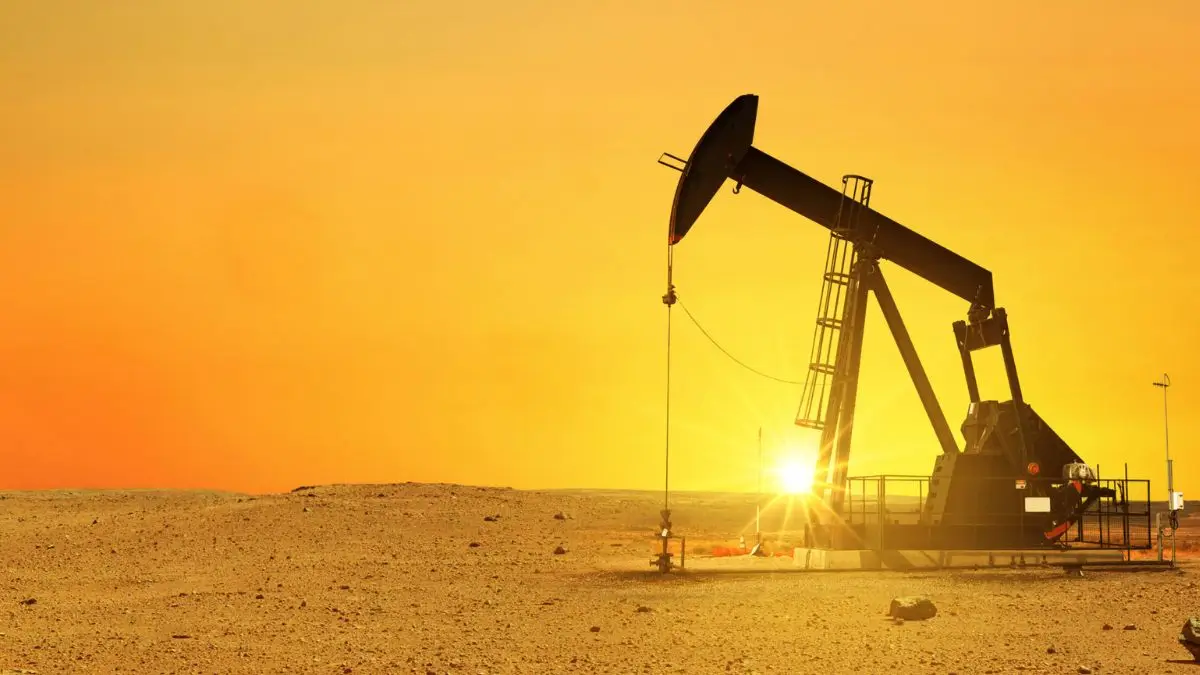
Oil India gas discovery Rajasthan becomes a major boost for India’s energy security as a new gas-bearing zone is found in the Dandewala Field of Jaisalmer district. Learn key facts, historical background, MCQs, FAQs, and exam-oriented insights.
Introduction
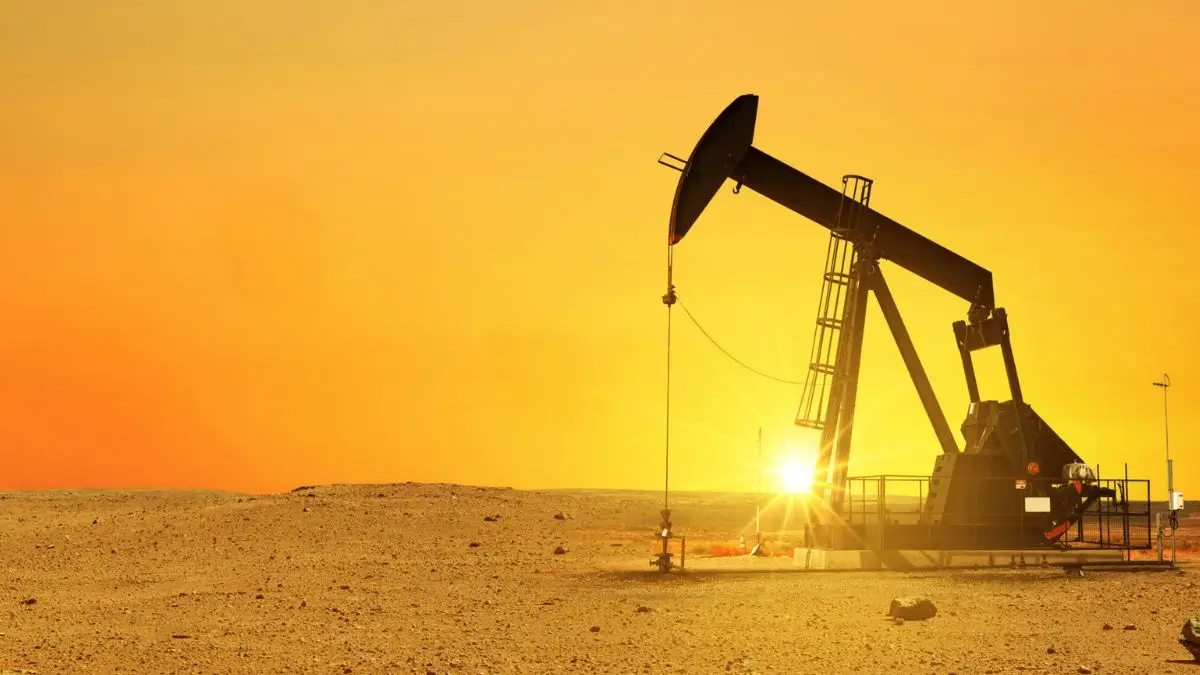
India’s efforts to strengthen domestic energy production received a major boost after state-owned Oil India Limited (OIL) discovered a new gas-bearing zone in Rajasthan’s Dandewala Field located in Jaisalmer district. The discovery is being viewed as an important development for India’s energy security and hydrocarbon exploration sector. The newly identified reserve is expected to enhance natural gas production and reduce dependence on imported fuels.
The announcement came at a time when global energy markets continue to face instability due to geopolitical tensions and rising fuel demand. The discovery also highlights the growing strategic importance of western Rajasthan in India’s energy landscape.
Discovery in the Dandewala Field
Oil India Limited announced that the exploratory well in the Dandewala Field successfully recorded an average natural gas inflow of nearly 25,000 standard cubic metres per day (SCMD). The gas was discovered at a depth of around 950 metres beneath the surface.
The company stated that this was the first successful establishment of gas presence in the shallower Sanu Formation within the Dandewala Field. This geological formation had earlier remained underexplored. The discovery validates OIL’s strategy of re-evaluating older fields through advanced technical interventions and modern subsurface analysis.
Preliminary studies based on structural mapping and petrophysical analysis estimated the Gas In Place (GIP) resources to be nearly 75 million standard cubic metres (MMSCM). This estimate indicates strong future exploration and production potential in the region.
Importance of Rajasthan in India’s Energy Sector
Rajasthan has emerged as one of India’s important onshore hydrocarbon regions. The western part of the state, especially the Jaisalmer Basin and Barmer Basin, contains significant oil and gas reserves.
The Dandewala discovery further strengthens Rajasthan’s position as a strategic energy hub. Experts believe that the successful gas find may encourage further drilling and exploration activities in nearby regions of the basin.
The state already contributes significantly to India’s crude oil production through fields operated by both public and private energy companies. The latest discovery could increase investments in energy infrastructure and support regional economic growth.
Role of Oil India Limited
Oil India Limited is a Maharatna Public Sector Undertaking under the Ministry of Petroleum and Natural Gas. Established in 1959, the company is one of India’s oldest oil and gas exploration firms.
OIL plays a major role in upstream exploration, drilling, and hydrocarbon production across India and overseas. In recent years, the company has focused on expanding domestic energy production to support India’s goal of energy self-reliance.
The company’s strategy includes using advanced geological surveys, modern drilling technologies, and re-examining previously overlooked reservoirs to identify untapped hydrocarbon resources.
Strategic Significance for India
India imports a large portion of its crude oil and natural gas requirements. Rising global energy prices and geopolitical disruptions often affect the country’s economy and energy security.
The new gas-bearing zone in Rajasthan can help reduce import dependence by increasing domestic production. Natural gas is considered a cleaner fossil fuel compared to coal and crude oil, making it important for India’s transition toward cleaner energy sources.
The discovery also aligns with the Government of India’s broader vision of “Atmanirbhar Bharat” or self-reliant India. Increasing indigenous energy production is considered essential for economic stability, industrial growth, and energy security.
Potential Economic Benefits
The gas discovery may generate multiple economic benefits for Rajasthan and the country. Increased exploration activities can create employment opportunities, improve local infrastructure, and attract investments in the energy sector.
Expansion of gas production can also support industries such as fertilizer manufacturing, power generation, petrochemicals, and city gas distribution networks. Affordable domestic gas supply can reduce industrial energy costs and support economic growth.
Furthermore, the discovery may encourage additional geological studies and appraisal drilling in surrounding areas to identify more hydrocarbon reserves.
Environmental Perspective
Natural gas is often described as a transition fuel because it produces lower carbon emissions compared to coal and oil. India has been promoting the use of natural gas in industries, transport, and households as part of its clean energy strategy.
The low carbon dioxide content in the newly discovered gas makes it comparatively cleaner and more suitable for commercial use. However, experts also stress the need for balanced exploration activities to ensure environmental sustainability and ecological protection.
Conclusion
The discovery of a new gas-bearing zone in Rajasthan’s Dandewala Field marks an important achievement for Oil India Limited and India’s energy sector. The successful identification of gas reserves in the Sanu Formation demonstrates the importance of advanced exploration technologies and strategic resource assessment.
The development is expected to strengthen domestic energy production, reduce import dependence, and support India’s long-term energy security goals. For competitive examination aspirants, the discovery is important from the perspectives of geography, economy, environment, energy security, and public sector enterprises.

Why This News is Important
Boost to India’s Energy Security
The discovery of a new gas-bearing zone in Rajasthan is important because India depends heavily on imported crude oil and natural gas. Increasing domestic gas production can reduce the country’s reliance on foreign energy supplies and improve energy security.
At a time of global fuel price volatility and geopolitical tensions, such discoveries are strategically significant. Domestic production helps protect the Indian economy from sudden international energy shocks and supply disruptions.
Support for Cleaner Energy Transition
Natural gas is considered a relatively cleaner fossil fuel because it emits fewer pollutants and lower carbon dioxide compared to coal and oil. India is increasing the share of natural gas in its energy mix as part of its environmental and climate goals.
The Dandewala gas discovery supports this transition by expanding the availability of indigenous cleaner fuel resources. It may help industries, transport systems, and urban gas networks shift toward cleaner energy consumption.
Importance for Competitive Examinations
The news is highly relevant for government examination aspirants because it covers multiple syllabus areas including geography, economy, environment, energy resources, public sector undertakings, and current affairs.
Questions related to Oil India Limited, Rajasthan’s hydrocarbon reserves, energy security, natural gas exploration, and the concept of Atmanirbhar Bharat can be asked in examinations such as UPSC, State PSCs, SSC, Railways, Banking, Defence, and teaching recruitment exams.
Strategic Importance of Rajasthan
The discovery also highlights western Rajasthan’s growing role as an important hydrocarbon-producing region. It may lead to increased investments, industrial growth, and infrastructure development in the region.
The successful exploration in the Sanu Formation could encourage further studies and exploration activities in adjacent areas of the Jaisalmer Basin, potentially increasing India’s future energy reserves.
Historical Context
Evolution of Hydrocarbon Exploration in Rajasthan
Rajasthan has gradually emerged as one of India’s important hydrocarbon-producing regions. The state’s western desert region contains sedimentary basins rich in oil and natural gas reserves.
Exploration activities in Rajasthan gained momentum during the late twentieth century with discoveries in the Barmer and Jaisalmer basins. Both public and private companies increased drilling activities in the region due to promising geological conditions.
Oil India Limited’s Exploration Journey
Oil India Limited was established in 1959 as a joint venture between the Government of India and Burmah Oil Company. Over time, it became one of India’s leading public sector energy companies engaged in exploration and production.
Traditionally, the company’s operations were concentrated in Assam and northeastern India. However, OIL later expanded its exploration activities to Rajasthan, offshore blocks, and international locations.
India’s Push for Energy Self-Reliance
India imports more than 80 percent of its crude oil requirements, making energy security a major national concern. To reduce import dependence, the government launched policies promoting domestic exploration and production.
Initiatives such as Hydrocarbon Exploration and Licensing Policy (HELP), Open Acreage Licensing Policy (OALP), and the vision of Atmanirbhar Bharat encouraged companies to intensify exploration activities.
The recent Dandewala gas discovery reflects the outcome of these long-term policy efforts aimed at strengthening India’s domestic energy resources.
Key Takeaways from This News
| S.No. | Key Takeaway |
|---|---|
| 1 | Oil India Limited discovered a new gas-bearing zone in Rajasthan’s Dandewala Field in Jaisalmer district. |
| 2 | The well recorded an average gas inflow of nearly 25,000 SCMD from a depth of around 950 metres. |
| 3 | The discovery was made in the shallower Sanu Formation for the first time in the field. |
| 4 | Preliminary estimates indicate Gas In Place resources of nearly 75 MMSCM. |
| 5 | The discovery strengthens India’s energy security and supports the goal of energy self-reliance. |
FAQs Related to Oil India’s Gas Discovery in Rajasthan
1. Which company discovered the new gas-bearing zone in Rajasthan?
Oil India Limited (OIL), a Maharatna Public Sector Undertaking under the Ministry of Petroleum and Natural Gas, discovered the new gas-bearing zone.
2. Where is the Dandewala Field located?
The Dandewala Field is located in Jaisalmer district of Rajasthan in western India.
3. In which geological formation was the gas discovered?
The gas was discovered in the shallower Sanu Formation within the Dandewala Field.
4. Why is the discovery important for India?
The discovery is important because it can increase domestic natural gas production, reduce import dependence, and strengthen India’s energy security.
5. What is the estimated gas reserve in the newly discovered zone?
Preliminary estimates suggest that the Gas In Place (GIP) resource is nearly 75 million standard cubic metres (MMSCM).
6. What is meant by Gas In Place (GIP)?
Gas In Place refers to the estimated total quantity of natural gas present in a reservoir before extraction.
7. Which ministry oversees Oil India Limited?
Oil India Limited functions under the Ministry of Petroleum and Natural Gas, Government of India.
8. Why is natural gas considered a cleaner fuel?
Natural gas produces lower carbon emissions and fewer pollutants compared to coal and crude oil, making it relatively environment-friendly.
9. Which basin in Rajasthan is famous for hydrocarbon reserves?
The Jaisalmer Basin and Barmer Basin are well known for oil and gas reserves in Rajasthan.
10. Which government initiative supports domestic energy exploration?
Policies such as Hydrocarbon Exploration and Licensing Policy (HELP) and the vision of Atmanirbhar Bharat support domestic energy exploration.
11. What is the significance of Rajasthan in India’s energy sector?
Rajasthan is emerging as an important onshore hydrocarbon-producing state with significant oil and gas exploration activities.
12. For which examinations is this topic important?
This topic is important for UPSC, State PSCs, SSC, Banking, Railways, Defence, Police, and teaching recruitment examinations.
Some Important Current Affairs Links