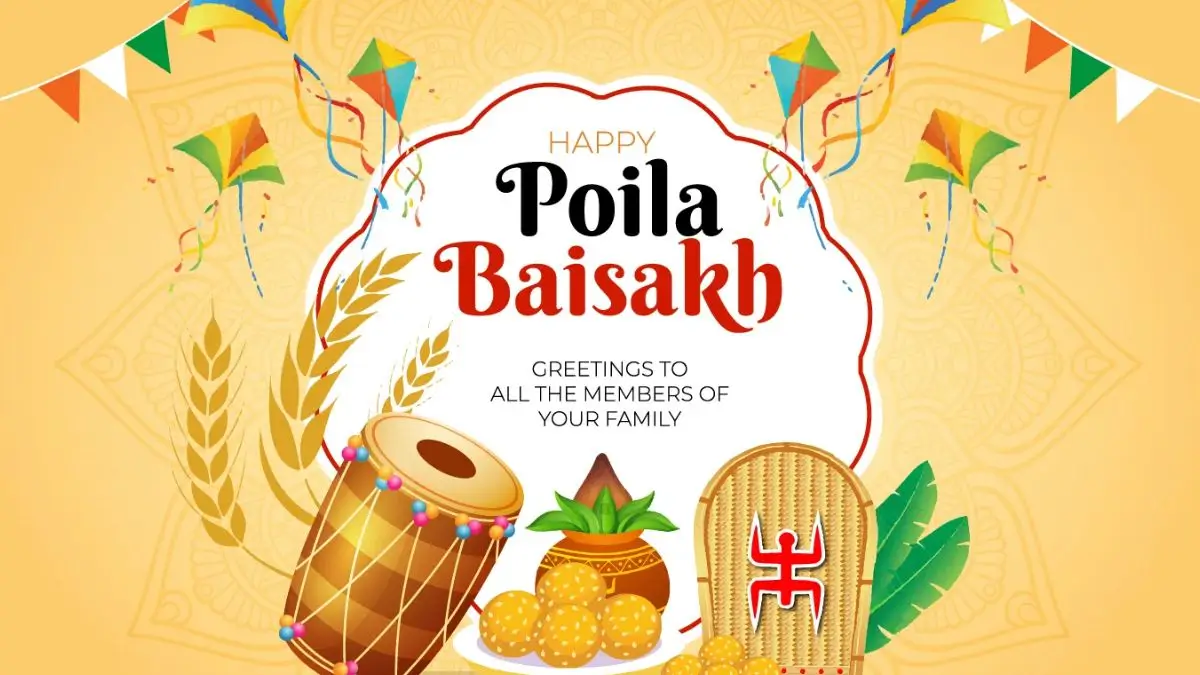
Pohela Boishakh 2026 date and significance explained for exams. Learn Bengali New Year traditions, Haal Khata, history, and key facts for UPSC, SSC, and banking preparation.
Pohela Boishakh 2026: Bengali New Year Celebrated Across West Bengal with Cultural Fervour
Introduction to Pohela Boishakh 2026
Pohela Boishakh 2026, marking the Bengali New Year, was celebrated on April 15, 2026, with great enthusiasm across West Bengal and among Bengali communities worldwide. The festival signifies the beginning of the Bengali calendar year 1433 and symbolizes new beginnings, prosperity, and cultural pride.
Celebrated as “Noboborsho,” the day holds immense importance in eastern India, particularly in West Bengal, Tripura, and Assam, as well as in Bangladesh. The occasion brings together people through traditions, rituals, and vibrant festivities.
Grand Celebrations Across West Bengal
In West Bengal, Pohela Boishakh is observed with traditional rituals, colourful processions, and cultural programmes. People wake up early, wear new clothes—often in red and white—and visit temples to seek blessings for a prosperous year ahead.
Cultural events such as music performances, dance, and fairs (Boishakhi Mela) are organised across cities. The famous “Prabhat Pheri” (morning procession) showcases Bengali art, music, and cultural unity. The spirit of togetherness and heritage is visible in every corner of the state.
Traditions and Rituals Observed
One of the most important customs associated with Pohela Boishakh is “Haal Khata”, where traders open new account books and invite customers for sweets and goodwill. This tradition symbolizes a fresh financial beginning.
Families clean their homes, prepare festive meals, and exchange greetings like “Shubho Noboborsho.” Traditional dishes such as sweets, fish curry, and pulao are prepared to mark the occasion, reflecting prosperity and joy.
Cultural Significance of the Festival
Pohela Boishakh is not just a festival but a reflection of Bengali identity and cultural heritage. It is celebrated irrespective of religion, making it a secular and inclusive event.
The festival marks the harvest season and aligns with solar transitions, symbolizing renewal and hope. It also promotes unity and social bonding among communities.

Why This News is Important
Relevance for Competitive Exams
Pohela Boishakh is an important topic for government exams like UPSC, SSC, Banking, and State PCS due to its cultural and regional significance. Questions are often asked about major Indian festivals, their dates, and their importance.
Understanding such festivals helps aspirants in General Awareness, Culture, and Current Affairs sections.
Focus on Indian Cultural Diversity
India is known for its cultural diversity, and Pohela Boishakh highlights the traditions of eastern India. Learning about such festivals enhances knowledge about regional customs and strengthens answers in descriptive papers and interviews.
Connection with Economy and Society
The tradition of “Haal Khata” reflects the economic practices of traders and small businesses. It shows how cultural practices are linked with financial activities and social relationships.
International and National Importance
Pohela Boishakh is celebrated not only in India but also in Bangladesh and among the global Bengali diaspora. This makes it relevant for international cultural awareness topics in exams.
Historical Context of Pohela Boishakh
Origin During Mughal Era
The origin of the Bengali calendar is often linked to the reign of Mughal Emperor Akbar, who introduced a new calendar system to align tax collection with the agricultural cycle.
This system helped farmers pay taxes after harvest, making administration easier.
Evolution into Cultural Festival
Over time, Pohela Boishakh evolved from an administrative necessity into a vibrant cultural festival. It became a day of celebration, unity, and renewal.
Connection with Agriculture
The festival is closely linked to the harvest season, marking the beginning of a new agricultural cycle. This explains why it is celebrated with joy and gratitude.
Key Takeaways from Pohela Boishakh 2026
| S.No | Key Takeaway |
|---|---|
| 1 | Pohela Boishakh 2026 was celebrated on April 15, marking Bengali New Year 1433 |
| 2 | It is widely celebrated in West Bengal, Tripura, Assam, and Bangladesh |
| 3 | Key traditions include Haal Khata, cultural programs, and festive meals |
| 4 | The festival symbolizes new beginnings, prosperity, and cultural unity |
| 5 | Origin linked to Mughal-era reforms for agricultural tax collection |
FAQs: Frequently Asked Questions
1. When is Pohela Boishakh 2026 celebrated?
Pohela Boishakh 2026 is celebrated on April 15, 2026, marking the first day of the Bengali calendar year 1433.
2. In which states of India is Pohela Boishakh mainly celebrated?
It is primarily celebrated in West Bengal, Tripura, and Assam, and also widely in Bangladesh.
3. What is the meaning of ‘Pohela Boishakh’?
“Pohela” means first and “Boishakh” is the first month of the Bengali calendar, so it means the first day of the Bengali New Year.
4. What is ‘Haal Khata’?
“Haal Khata” is a traditional practice where traders open new account books and invite customers to mark a fresh financial beginning.
5. Who introduced the Bengali calendar?
The Bengali calendar is believed to have been introduced during the reign of Mughal Emperor Akbar to streamline tax collection.
6. What is the cultural significance of Pohela Boishakh?
It symbolizes new beginnings, prosperity, unity, and cultural identity of Bengali communities.
7. What traditional attire is worn on this day?
People usually wear red and white traditional clothes, especially sarees and kurtas.
8. What greeting is commonly used on Pohela Boishakh?
The common greeting is “Shubho Noboborsho”, meaning Happy New Year.
9. Why is Pohela Boishakh important for exams?
It is frequently asked in General Awareness, Culture, and Current Affairs sections of competitive exams.
10. Is Pohela Boishakh a religious or secular festival?
It is largely a secular and cultural festival, celebrated by people of all communities.
Some Important Current Affairs Links