









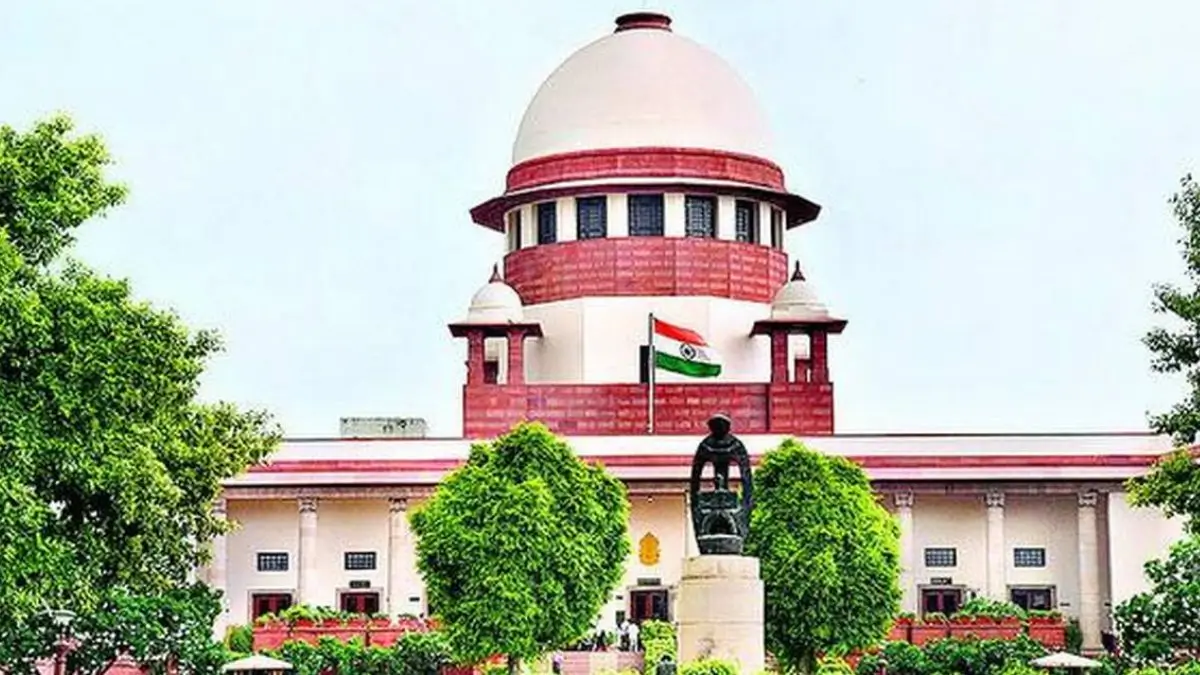
Transgender rights amendment bill 2026 controversy explained with Supreme Court panel concerns, key provisions, constitutional issues and exam-focused analysis for UPSC, SSC and PCS aspirants.
Supreme Court Panel Urges Withdrawal of Transgender Rights Amendment Bill 2026
Introduction: A Controversial Legislative Development
A panel appointed by the Supreme Court of India has urged the Union Government to withdraw the Transgender Persons (Protection of Rights) Amendment Bill, 2026. The recommendation comes amid growing nationwide debate, protests, and concerns over the impact of the proposed amendments on transgender rights. The panel’s intervention has added significant weight to the ongoing discussion about constitutional rights, dignity, and equality.
Panel’s Recommendation and Key Concerns
The advisory panel expressed serious concerns about the provisions of the amendment bill. It highlighted that the bill undermines the principle of self-identification, which had been recognized as a fundamental right in earlier judicial pronouncements.
Additionally, the panel objected to the introduction of mandatory medical certification for gender recognition. Critics argue that such provisions could violate privacy and dignity while creating bureaucratic hurdles for transgender individuals.
Timing of the Recommendation
Interestingly, the panel submitted its recommendation to withdraw the bill just days before Parliament passed it. Despite the advisory, both Houses of Parliament cleared the bill in March 2026 amid protests from opposition parties and civil society groups.
This sequence of events has raised questions about consultation processes and the role of expert committees in legislative decision-making.
Major Provisions of the Amendment Bill
The Transgender Amendment Bill 2026 introduces several changes to the existing legal framework:
- Replacement of self-identification with medical board verification
- Narrower definition of transgender identity
- Mandatory certification for legal recognition and gender change
These provisions have been criticized for limiting inclusivity and potentially excluding several gender identities.
Public Reaction and Protests
The bill has sparked protests across India, with activists and LGBTQIA+ groups demanding its withdrawal. Demonstrators argue that the amendments place excessive state control over personal identity and reverse progressive legal gains.
Experts and human rights organizations have also termed the bill a “regressive step,” emphasizing that it may erode hard-won rights.

Why This News is Important
Impact on Fundamental Rights
The controversy surrounding the amendment bill directly relates to fundamental rights such as equality, dignity, and personal liberty. The move to replace self-identification with medical verification is seen as a potential violation of constitutional guarantees.
Relevance for Judiciary vs Legislature Debate
This issue highlights the dynamic relationship between the judiciary and legislature in India. While the judiciary, through landmark rulings, has expanded rights for transgender individuals, the legislature’s amendments appear to restrict those rights, creating a constitutional debate.
Significance for Social Justice
The development is crucial in the context of social justice and inclusion. Policies affecting marginalized communities like transgender persons are key topics in competitive exams, especially under polity, governance, and ethics.
Exam-Oriented Importance
For aspirants preparing for UPSC, SSC, Banking, and State PCS exams, this topic is important because it connects:
- Constitutional law
- Supreme Court judgments
- Social justice policies
- Contemporary legislative developments
Understanding such issues helps in both prelims (factual knowledge) and mains (analytical answers).
Historical Context of Transgender Rights in India
NALSA Judgment 2014: A Landmark Turning Point
In 2014, the Supreme Court, in the National Legal Services Authority v. Union of India case, recognized transgender persons as the third gender and upheld their right to self-identification. This judgment laid the foundation for legal recognition and protection of transgender rights.
Transgender Persons Act 2019
The Transgender Persons (Protection of Rights) Act, 2019 was enacted to provide legal safeguards, prohibit discrimination, and ensure welfare measures. It allowed individuals to self-identify their gender without invasive procedures.
Shift in 2026 Amendment
The 2026 Amendment Bill marks a shift from self-identification to medical and administrative verification, which many experts believe contradicts the spirit of earlier reforms and judicial rulings.
Key Takeaways from Supreme Court Panel on Transgender Bill 2026
| S.No | Key Takeaway |
|---|---|
| 1 | Supreme Court-appointed panel recommended withdrawal of the Transgender Amendment Bill 2026 |
| 2 | The bill replaces self-identification with mandatory medical certification |
| 3 | It narrows the definition of transgender identity, excluding several groups |
| 4 | The bill was passed despite protests and expert recommendations |
| 5 | The issue raises concerns about constitutional rights and social justice |
FAQs: Frequently Asked Questions
1. What is the Transgender Persons (Protection of Rights) Amendment Bill, 2026?
It is a proposed amendment to the existing 2019 law that introduces changes such as mandatory medical certification for gender identity recognition and revises definitions related to transgender persons.
2. Why did the Supreme Court-appointed panel recommend withdrawing the bill?
The panel raised concerns that the bill violates the principle of self-identification and may infringe upon fundamental rights like dignity, privacy, and equality.
3. What is the significance of self-identification in transgender rights?
Self-identification allows individuals to determine their own gender identity without external validation, which was upheld as a fundamental right by the Supreme Court in the NALSA judgment (2014).
4. What are the major criticisms of the 2026 Amendment Bill?
Critics argue that it:
- Imposes medical verification
- Narrows gender definitions
- Increases bureaucratic control
- Undermines earlier legal protections
5. Which landmark judgment is associated with transgender rights in India?
The NALSA vs Union of India (2014) judgment recognized transgender persons as the third gender and upheld their right to self-identify.
6. Why is this topic important for competitive exams?
It is relevant for:
- Indian Polity (Fundamental Rights)
- Social Justice
- Judiciary vs Legislature
- Current Affairs
7. What constitutional provisions are related to this issue?
Articles 14 (Equality), 19 (Freedom), and 21 (Right to Life and Dignity) are closely linked to transgender rights.
8. What is the role of Parliament in this matter?
Parliament has the authority to pass laws, including amendments, even if advisory bodies raise concerns.
9. How does this issue reflect governance challenges?
It highlights the tension between policy-making and rights-based judicial interpretations.
10. What could be the long-term impact of this bill?
It may affect inclusivity, legal recognition, and access to rights for transgender individuals in India.
Some Important Current Affairs Links