









Tamil Nadu GI products expand with 5 new additions including Woraiyur sari and Thooyamalli rice, taking total GI-tagged items to 74. Know all new GI tags for exams.
Tamil Nadu Expands GI Portfolio: Adds Five New Products, Total Now 74
In a significant move to preserve and promote regional heritage, Tamil Nadu has added five more products under the Geographical Indication of Goods (Registration and Protection) Act, 1999 (GI) list, raising its total to 74 GI-tagged products.
The five newly recognised items are:
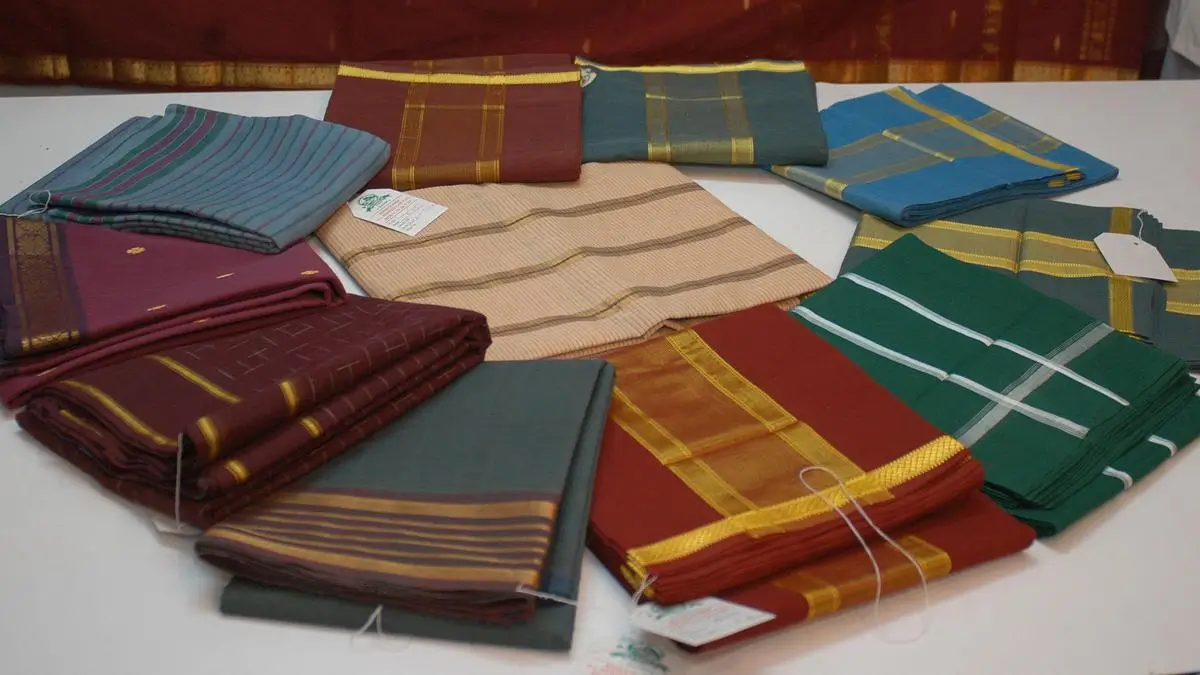
- Woraiyur cotton sari — a traditional handloom sari from the Tiruchirappalli region, known for its distinctive weaving style.
- Thooyamalli rice — an aromatic, traditional rice variety valued for grain quality and flavour.
- Kavindapadi nattu sakkarai — a regional jaggery powder (traditional sugar) from the Erode district, made using traditional processing methods.
- Namakkal soapstone cookware (locally “makkal pathirangal”) — durable hand-crafted soapstone utensils that are used for cooking and storing food, appreciated for their heat retention and suitability for traditional recipes.
- Ambasamudram choppu saman — traditional wooden toys and kitchen-set items crafted by local artisans, reflecting centuries-old craft traditions.
Officials said the GI applications were filed by various artisan cooperatives, regional agricultural boards and craft organisations — measures aimed at both protecting traditional knowledge and boosting market access for genuine regional products.
What Makes These Products Special
Each of these items brings something unique: the Woraiyur sari represents weaving traditions rooted in the banks of the river Cauvery; Thooyamalli rice reflects local agricultural biodiversity; Kavindapadi jaggery showcases traditional sugar-making technique; Namakkal cookware underscores enduring kitchen culture; and Ambasamudram wooden toys highlight folk artisanship and cultural craftsmanship. Together, these additions strengthen Tamil Nadu’s cultural and economic identity.
Moreover, with 74 GI-tagged products, Tamil Nadu is now among the states in India with one of the highest numbers of registered GI items — underscoring its diversity in agriculture, textiles, handicrafts and traditional goods.

Why This News Matters
Preserving Heritage and Craftsmanship
By awarding GI status to these products, Tamil Nadu ensures that the traditional knowledge, techniques and geographical uniqueness behind them are legally protected. This helps prevent misuse or imitation of the name by outside producers.
Economic Impact for Artisans and Farmers
GI recognition often brings better market value, demand for authenticity, and improved income for producers. Farmers cultivating Thooyamalli rice or jaggery makers in Kavindapadi, as well as artisans weaving Woraiyur sarees or crafting soapstone cookware, stand to benefit from increased exposure and premium pricing.
Relevance for Competitive Exams
For aspirants preparing for civil services, state PSCs, banking, or railway exams, such developments are highly relevant under sections covering “India — State-wise cultural/-economic heritage, crafts, GI tags, agriculture and handicrafts.” Knowing which states have which GI products can help answer questions on national heritage, economy and regional crafts.
Boost to Regional Identity and Sustainability
Recognising local products promotes regional identity, encourages sustainable local industries, discourages mass-produced imitations, and preserves traditional techniques for future generations. This also aligns with efforts to support rural livelihoods and cultural conservation.
Historical Context
The concept of Geographical Indication (GI) arises from the need to legally protect products that have certain qualities, reputation or characteristics attributable to their geographic origin. The GI tag ensures that only persons or producers in the specified region can use the registered geographical name for their products — thereby safeguarding authenticity.
Over the years, various states in India have used GI registration to highlight traditional crafts, regional agricultural produce, and heritage items. For example, earlier in 2025, Tamil Nadu had added 6 products to its list of GI-tagged goods, raising its count to 69.
This recent addition — five more products — continues that legacy. It underscores an ongoing push by state authorities, artisan cooperatives, agricultural boards, and designers of GI applications to map and protect India’s regional diversity. As market forces and globalization pressurize traditional crafts and crops, GI tagging becomes a critical tool to preserve heritage while empowering the people who keep those traditions alive.
Key Takeaways from This News
New GI-tagged Products of Tamil Nadu
| # | Key Takeaway |
|---|---|
| 1 | Tamil Nadu has added five new products to its GI list, bringing the total GI-tagged items in the state to 74. |
| 2 | The newly GI-tagged items are Woraiyur cotton sari, Thooyamalli rice, Kavindapadi nattu sakkarai, Namakkal soapstone cookware, and Ambasamudram wooden toys. |
| 3 | GI status ensures only producers from specific geographic areas can use these names — helping protect authenticity and prevent imitation. |
| 4 | The recognition supports local artisans, farmers and traditional industries — potentially improving income, boosting market demand, and sustaining livelihoods. (Relevant for economy/heritage topics in exams) |
| 5 | This move highlights Tamil Nadu’s cultural and agricultural diversity and strengthens its position among Indian states with high number of GI-tagged items. |
FAQs: Frequently Asked Questions
1. What is a Geographical Indication (GI) tag?
A Geographical Indication (GI) tag is a sign used on products that have a specific geographical origin and possess qualities, reputation, or characteristics inherent to that location. Only producers from the designated region can use the GI tag.
2. How many GI-tagged products does Tamil Nadu have now?
After the recent addition of five products, Tamil Nadu now has 74 GI-tagged products, making it one of the states with the highest number of GI items in India.
3. Which are the five new GI products added by Tamil Nadu?
The new products are: Woraiyur cotton sari, Thooyamalli rice, Kavindapadi nattu sakkarai, Namakkal soapstone cookware, and Ambasamudram wooden toys.
4. Why is GI recognition important for artisans and farmers?
GI recognition protects the authenticity of regional products, prevents misuse of their names, enhances market value, and provides better income opportunities for local artisans and farmers.
5. How is GI-tagged products’ knowledge relevant for competitive exams?
Questions about GI products often appear in civil services, banking, PSC, railways, and other government exams under topics like “Indian Heritage,” “Agriculture,” “Regional Crafts,” and “Economic Development.”
6. Which government act governs GI registration in India?
The Geographical Indications of Goods (Registration and Protection) Act, 1999 governs GI registration in India.
7. Can producers outside the GI region use the GI product name?
No, only producers from the specific geographical region are legally allowed to use the GI-tagged product name.
Some Important Current Affairs Links