
India’s Sustainable Development Goals (SDGs)
Introduction to India’s SDGs
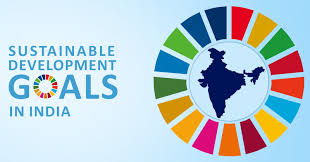
India has made significant strides in aligning its national policies with the global Sustainable Development Goals (SDGs) set by the United Nations. These goals, which range from ending poverty to combating climate change, are crucial for achieving long-term development and improving the quality of life for all citizens. India’s commitment to these goals reflects its dedication to sustainable progress and social equity.
India’s Approach to SDGs
India’s approach to achieving the SDGs involves integrating these goals into its national planning and development processes. The government has launched various initiatives and policies aimed at addressing issues like poverty, education, health, and environmental sustainability. For instance, the National Action Plan on Climate Change outlines strategies to reduce carbon emissions and promote clean energy.
Key Initiatives and Programs
Several key initiatives underscore India’s commitment to the SDGs. The Pradhan Mantri Awas Yojana (PMAY) aims to provide affordable housing to all, while the Swachh Bharat Mission focuses on improving sanitation and hygiene. Additionally, the Beti Bachao Beti Padhao scheme promotes gender equality and education for girls. These programs are essential for advancing towards the SDGs and ensuring inclusive growth.
Challenges and Opportunities
Despite significant progress, India faces challenges in meeting some of the SDGs. Issues such as income inequality, access to quality healthcare, and environmental degradation remain areas of concern. However, these challenges also present opportunities for innovation and collaboration. By leveraging technology and engaging with local communities, India can overcome these obstacles and achieve its sustainability targets.
Future Directions
Looking ahead, India must continue to enhance its efforts towards the SDGs by strengthening policy implementation, fostering public-private partnerships, and ensuring community involvement. The country’s diverse and dynamic approach to development will play a critical role in achieving these global goals and setting an example for others to follow.
Why This News is Important
Significance of SDGs for India
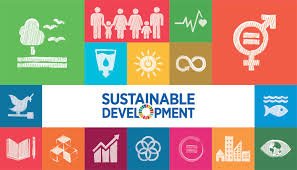
The Sustainable Development Goals are pivotal for India as they address various aspects of development and well-being. By focusing on these goals, India aims to enhance the quality of life for its citizens, reduce inequality, and protect the environment. The successful implementation of SDGs will contribute to sustainable economic growth and social stability.
Impact on Policy and Governance
The alignment with SDGs has led to a more structured and goal-oriented approach in policy-making and governance. This alignment ensures that development strategies are comprehensive and targeted, addressing critical issues such as poverty alleviation, education, and health care. It also fosters accountability and transparency in the implementation of development programs.
Global Commitment and Leadership
India’s dedication to the SDGs reflects its commitment to global development and cooperation. By actively participating in international frameworks and agreements, India demonstrates its role as a responsible global citizen. This commitment enhances India’s global stature and encourages other nations to pursue sustainable development practices.
Challenges and Solutions
Understanding the challenges faced in achieving SDGs highlights areas needing focused intervention. Addressing issues such as income inequality and environmental degradation requires targeted solutions and innovative strategies. By recognizing these challenges, India can better allocate resources and develop effective solutions to meet its sustainability goals.
Long-term Benefits
Achieving the SDGs will result in long-term benefits for India, including improved living standards, a cleaner environment, and greater social cohesion. The pursuit of these goals is integral to building a resilient and prosperous nation capable of withstanding future challenges and ensuring sustainable development for generations to come.
Historical Context
Background on SDGs
The Sustainable Development Goals were adopted by all United Nations Member States in 2015 as part of the 2030 Agenda for Sustainable Development. These 17 goals build on decades of work and aim to address the root causes of poverty and the universal need for development that works for all people. The SDGs succeed the Millennium Development Goals (MDGs), which were set to address issues of extreme poverty and were in place from 2000 to 2015.
India’s Development Journey
India’s development journey has been marked by various phases of growth and reform. Post-independence, India focused on industrialization and economic growth, transitioning towards a more inclusive approach in recent decades. The adoption of SDGs signifies a strategic shift towards sustainable and equitable development, reflecting a broader understanding of global challenges and the need for integrated solutions.
Previous Initiatives and Achievements
Before the SDGs, India undertook several national initiatives aimed at improving social and economic conditions. Programs like the Integrated Child Development Services (ICDS) and the National Rural Employment Guarantee Act (NREGA) laid the groundwork for addressing poverty and inequality. The SDGs build on these past achievements, setting a more ambitious agenda for comprehensive development.
Key Takeaways from India’s Sustainable Development Goals
| Serial Number | Key Takeaway |
|---|---|
| 1 | India is aligning its national policies with the global SDGs. |
| 2 | Key initiatives include PMAY, Swachh Bharat Mission, and Beti Bachao Beti Padhao. |
| 3 | Challenges such as income inequality and environmental issues persist. |
| 4 | The SDGs enhance India’s policy-making and governance frameworks. |
| 5 | Achieving the SDGs will lead to improved quality of life and sustainable growth. |
Important FAQs for Students from this News
1. What are the Sustainable Development Goals (SDGs)?
The Sustainable Development Goals (SDGs) are a set of 17 global goals adopted by the United Nations in 2015 to address global challenges and achieve a better and more sustainable future for all by 2030. They include goals related to poverty, health, education, gender equality, and climate action.
2. Why are SDGs important for India?
SDGs are crucial for India as they address key issues such as poverty reduction, healthcare, education, and environmental sustainability. Implementing these goals helps improve the quality of life for citizens and promotes inclusive and sustainable development.
3. What are some key initiatives by India to achieve SDGs?
India has launched several initiatives to achieve SDGs, including the Pradhan Mantri Awas Yojana (PMAY) for affordable housing, the Swachh Bharat Mission for sanitation, and the Beti Bachao Beti Padhao scheme for promoting gender equality and education for girls.
4. What challenges does India face in achieving SDGs?
India faces challenges such as income inequality, inadequate healthcare infrastructure, and environmental degradation. These challenges require focused efforts, innovative solutions, and effective policy implementation to overcome.
5. How does India’s commitment to SDGs impact its global standing?
India’s commitment to SDGs demonstrates its role as a responsible global citizen and contributes to its global stature. Active participation in international frameworks and agreements enhances India’s reputation and encourages other nations to pursue sustainable development practices.
Some Important Current Affairs Links