









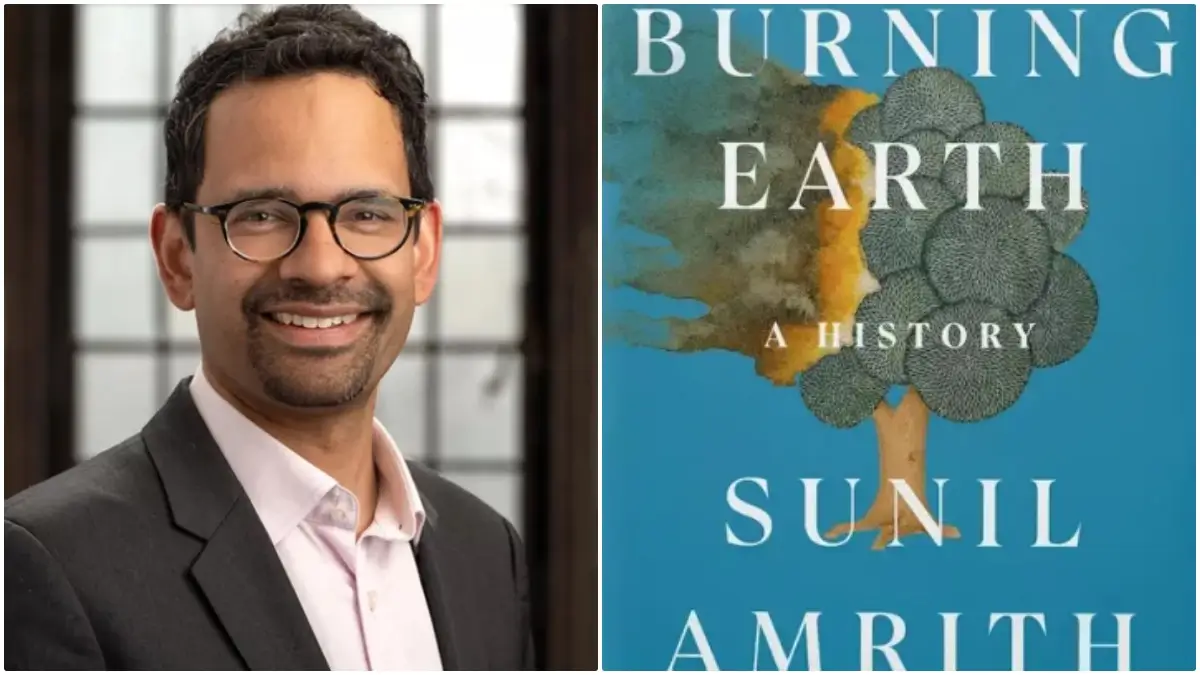
Sunil Amrith wins British Academy Book Prize 2025 for The Burning Earth, highlighting environmental history and human impact over 500 years. Learn key insights and exam-relevant facts.
Sunil Amrith Wins British Academy Book Prize for ‘The Burning Earth’
Introduction
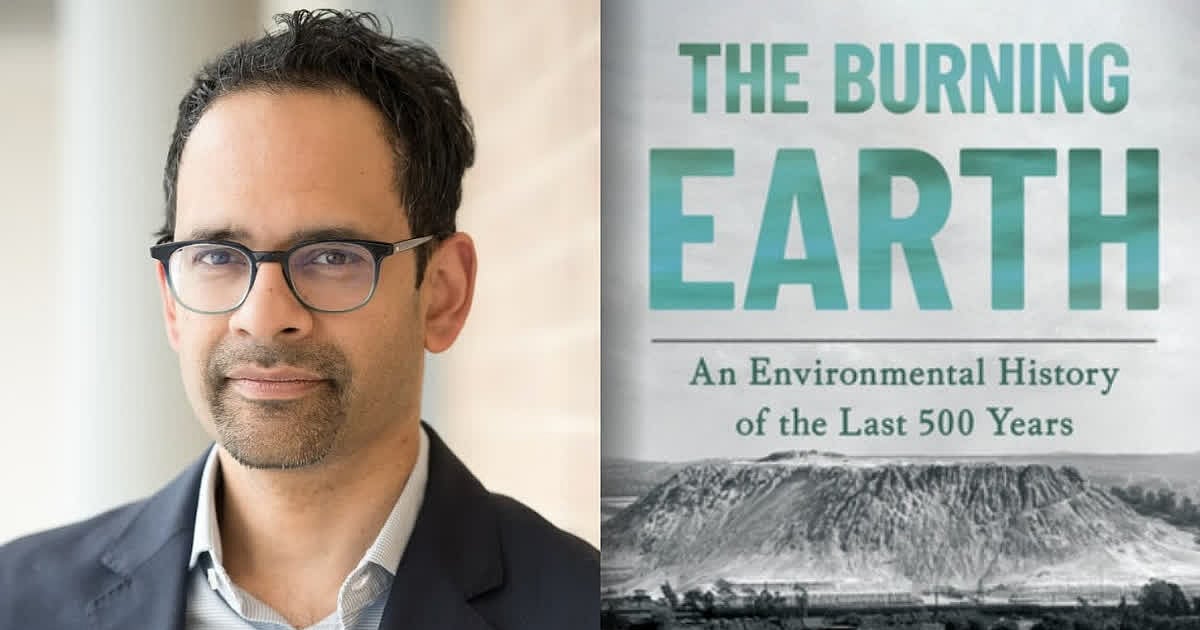
Indian-origin historian Sunil Amrith has been awarded the prestigious British Academy Book Prize 2025 for his latest work, The Burning Earth: An Environmental History of the Last 500 Years. The announcement was made during a ceremony held at the British Academy in London. Amrith’s book was chosen from a shortlist of six exceptional entries and eventually made its way to the honor.
About the Book
The Burning Earth delves into the intricate relationships between human history and environmental transformation over the past five centuries. It offers valuable insights into the current climate crisis, exploring how colonization, industrialization, and shifting settlement patterns have fueled today’s environmental challenges. The book provides a vivid account of how human ambition, empire, and industry have transformed the Earth—and how those environmental changes have, in turn, shaped human societies.
About Sunil Amrith
Sunil Amrith holds the Renu and Anand Dhawan Professorship of History at Yale University and teaches in the School of the Environment. Born in Kenya to South Indian parents, Amrith grew up in Singapore and graduated from the University of Cambridge in England. His diverse background and academic journey have enriched his perspective on global environmental history.
Significance of the Award
The British Academy Book Prize, established in 2013, recognizes outstanding non-fiction books that deepen public understanding of global cultural identity and human experience. The £25,000 prize is awarded annually to works that exemplify the spirit of the prize: to deepen understanding of our world.
Why This News Is Important
Relevance to Current Affairs
Sunil Amrith’s award-winning book, The Burning Earth, offers a comprehensive analysis of the interconnections between human history and environmental transformation. In the context of ongoing discussions about climate change and environmental sustainability, the book provides valuable insights into how historical events have shaped the current environmental landscape. Understanding these connections is crucial for policymakers, researchers, and students alike.
Contribution to Environmental History
Amrith’s work contributes significantly to the field of environmental history by examining the long-term impacts of human activities on the planet. His interdisciplinary approach, combining history with environmental science, offers a nuanced perspective on the complexities of environmental change. This contribution enriches academic discourse and encourages further research in the field.
Inspiration for Students
For students preparing for competitive exams, Amrith’s achievement serves as an inspiration. His recognition underscores the importance of interdisciplinary studies and the value of understanding historical contexts in addressing contemporary issues. Students can draw motivation from his journey and the impact of his work on global discussions about climate and history.
Historical Context
Emergence of Environmental History
The field of environmental history emerged in the late 20th century as scholars began to recognize the importance of understanding the interactions between humans and their environment over time. This interdisciplinary approach combines elements of history, ecology, and geography to study how human activities have influenced the natural world and vice versa.
Industrial Revolution and Environmental Impact
The Industrial Revolution, beginning in the 18th century, marked a significant turning point in environmental history. The widespread use of fossil fuels, deforestation, and urbanization led to unprecedented environmental changes. These developments set the stage for many of the environmental challenges faced today, including climate change and biodiversity loss.
Globalization and Environmental Transformation
In the 20th and 21st centuries, globalization has further intensified environmental transformations. Increased trade, migration, and technological advancements have led to greater interconnectedness but also to environmental degradation on a global scale. Understanding these historical processes is essential for addressing current environmental issues and planning for a sustainable future.
Key Takeaways from ‘The Burning Earth’
| S.No | Key Takeaway |
|---|---|
| 1. | The Burning Earth examines the interconnections between human history and environmental transformation over the past 500 years. |
| 2. | The book explores how colonization, industrialization, and shifting settlement patterns have fueled today’s climate crisis. |
| 3. | Sunil Amrith’s diverse background and academic journey enrich his perspective on global environmental history. |
| 4. | The British Academy Book Prize recognizes outstanding non-fiction books that deepen public understanding of global cultural identity and human experience. |
| 5. | Amrith’s work contributes significantly to the field of environmental history by examining the long-term impacts of human activities on the planet. |
FAQs: Frequently Asked Questions
1. Who is Sunil Amrith?
Sunil Amrith is an Indian-origin historian and the Renu and Anand Dhawan Professor of History at Yale University. He specializes in environmental history and has recently won the British Academy Book Prize 2025.
2. Which book by Sunil Amrith won the British Academy Book Prize 2025?
His book The Burning Earth: An Environmental History of the Last 500 Years won the prestigious award.
3. What is the significance of The Burning Earth?
The book explores the relationship between human history and environmental transformation over five centuries, emphasizing the impacts of colonization, industrialization, and settlement patterns on the current climate crisis.
4. What is the British Academy Book Prize?
It is an annual award established in 2013 to honor outstanding non-fiction books that deepen public understanding of global cultural identity, history, and human experiences.
5. How can this news be important for students preparing for government exams?
It highlights global recognition of scholarly achievements, environmental awareness, and historical perspectives, which are often relevant in current affairs sections of exams like UPSC, SSC, Railways, Banking, and teaching positions.
6. Where did Sunil Amrith receive his education?
He graduated from the University of Cambridge and currently teaches at Yale University.
7. How does The Burning Earth contribute to environmental studies?
It provides a comprehensive historical analysis of human impact on the environment, aiding the understanding of climate change from a long-term perspective.
Some Important Current Affairs Links