










SBI 70th Anniversary marks a milestone in India’s banking history. Learn about its legacy, FY25 profits, digital growth, and future outlook for exams like UPSC, SSC, and Banking.
🇮🇳 SBI Turns 70: Celebrating India’s Banking Backbone Since 1955
A Journey Over Seven Decades
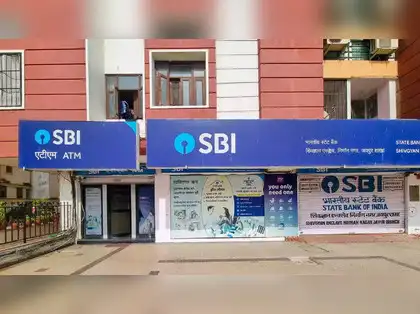
The State Bank of India (SBI), born on 1 July 1955, emerged from the nationalisation of the Imperial Bank of India. Its roots trace back to 1806, encompassing storied institutions like the Bank of Calcutta, Bombay, and Madras—hallmarks of colonial-era banking. Today, SBI is India’s largest public-sector bank, boasting an asset base exceeding ₹61 trillion and serving over 500 million customers across more than 22,500 branches and 63,500+ ATMs
A Pillar of the Nation’s Growth
SBI’s history aligns with India’s economic trajectory. From rural credit expansion post-independence to digital integration in recent years, it has consistently supported national development, equity, and inclusion. Major milestones include the absorption of eight associate banks in 1959 and the consolidation of its remaining associates and Bharatiya Mahila Bank in 2017
Financial Performance Highlights
In FY 2024–25, SBI achieved a standalone net profit of ₹70,901 crore (up 16% from FY24) and operating profit of ₹1,10,579 crore (up 17.9%)he bank’s balance sheet, now ~₹66 lakh crore, supports 52 crore+ customers and a global footprint spanning 241 offices in 55 countries
Digital Transformation & Sustainability
Digital banking has reshaped SBI’s reach—with over 98% of transactions digitally processed and 88 million YONO usersInitiatives like solar rooftop financing for 4 million homes (by FY 2027), AI integration, and upgrading 25,000+ ATMs highlight its commitment to modernisation and green banking
Leadership & Future Outlook
Challa Sreenivasulu Setty became SBI Chairman in August 2024, steering growth, inclusion, and sustainability. Under his leadership, SBI seeks to champion India’s next phase of development through digital agility, green finance, and broader financial inclusion
Why This News is Important
Strategic Banking Insight
SBI’s 70th anniversary underscores its role in India’s banking ecosystem. Its performance signals public-sector resilience, competitiveness, and viability for aspirants studying banking reforms, financial stability, and government-led growth sectors.
Lessons in Economic Evolution
Tracking SBI’s transformation—from colonial roots to nationalisation, rural credit drives, tech adoption, and global expansion—reflects larger economic policies crucial for UPSC, IAS, IPS, and similar exams.
Digital & Sustainable Finance
SBI’s deep digital integration (98% digital transactions, YONO) and green policies align with modern government exam topics: financial inclusion, fintech innovations, green financing, and sustainable infrastructure.
Historical Context: From Colonial Roots to Modern Giant
- Colonial-era foundations (1806–1921): Formation of the Bank of Calcutta (1806), Bombay (1840), and Madras (1843), which merged in 1921 to form the Imperial Bank of India
- Post-independence nationalisation (1955): RBI-led takeover and creation of SBI under the SBI Act, reflecting early Mahalanobis Plan goals of rural credit expansion
- Expansion via mergers (1959–2017): Integration of state banks and associates to form a nationwide banking institution; consolidation heightened with the 2017 mergers of all associates
- Modernisation & digitalisation (2017–2025): Digital banking surge via YONO, AI adoption, AI‑driven trade finance, and green initiatives under Project Finance & Structuring SBU
Key Takeaways from “SBI 70th Anniversary”
| S.No | Key Takeaway |
|---|---|
| 1 | SBI was formed on 1 July 1955 via the nationalisation of the Imperial Bank. |
| 2 | It has a legacy dating back to 1806, tracing through colonial-era Presidency Banks. |
| 3 | In FY25, SBI reported a standalone net profit of ₹70,901 crore (up 16%). |
| 4 | Over 98% of transactions are digital, with 88M+ users on YONO. |
| 5 | SBI supports green finance: solar rooftop target of 4M homes by FY27, AI-driven trade finance, and modernisation of ATMs. |
FAQs: Frequently Asked Questions
1. When was the State Bank of India (SBI) founded?
The State Bank of India was established on 1st July 1955, following the nationalisation of the Imperial Bank of India.
2. What is the historical origin of SBI?
SBI traces its roots back to the Bank of Calcutta established in 1806, later merging with Banks of Bombay and Madras to form the Imperial Bank of India in 1921.
3. Who is the current Chairman of SBI (as of 2025)?
Challa Sreenivasulu Setty took charge as the Chairman of SBI in August 2024.
4. What was SBI’s standalone net profit in FY 2024–25?
SBI reported a standalone net profit of ₹70,901 crore, a 16% increase over the previous year.
5. What is YONO and how many users does it have?
YONO (You Only Need One) is SBI’s flagship digital banking platform, with 88 million+ users and over 98% of transactions processed digitally.
Some Important Current Affairs Links