







RBI foreign exchange reforms 2026: RBI releases draft directions for authorised dealers to expand hedging, market-making, and NDDC transactions, boosting India’s forex market efficiency.
RBI Releases Draft Directions on Foreign Exchange Dealings & Announces Major Regulatory Reforms
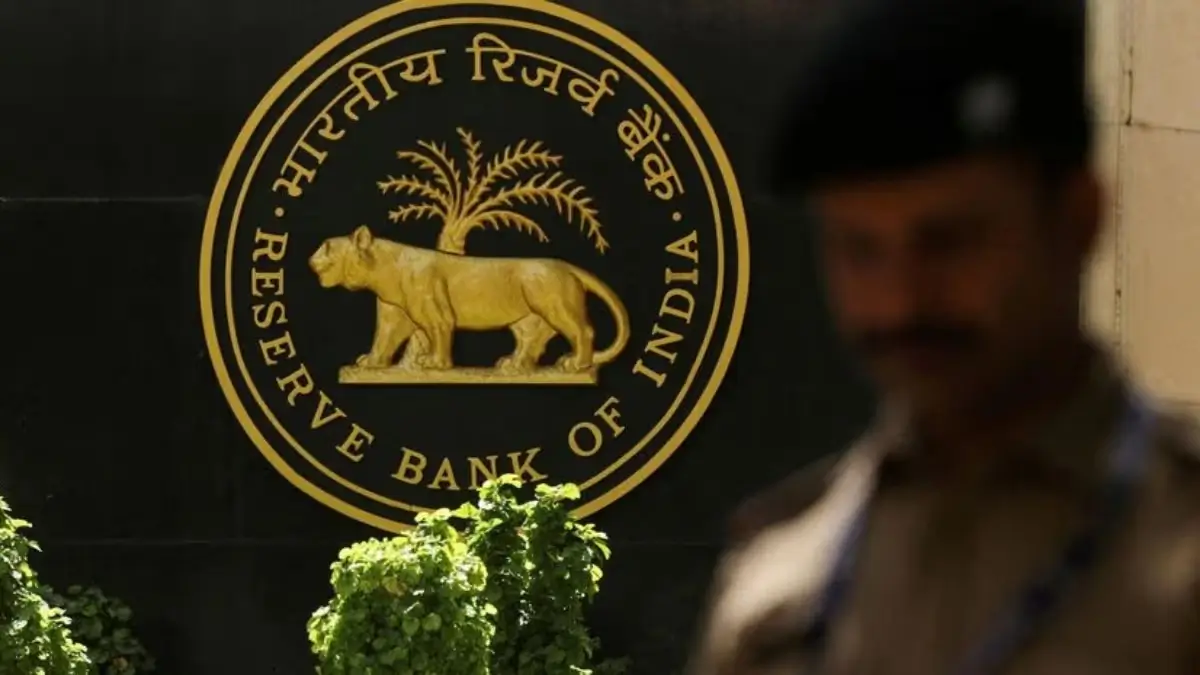
The Reserve Bank of India (RBI) has unveiled a significant set of draft guidelines on Foreign Exchange Dealings of Authorised Persons, signaling one of the biggest reforms in India’s foreign exchange regulatory framework in recent years. These draft directions were released on 17 February 2026 and invite feedback from stakeholders until March 10, 2026. The aim is to modernise and liberalise the regulatory framework governing foreign exchange markets — a key infrastructure of India’s financial ecosystem — and to bring it in line with international best practices.
Under the current provisions of the Foreign Exchange Management Act (FEMA), 1999, authorised dealers — primarily banks and standalone primary dealers — face several limitations in terms of hedging options, market‑making capabilities and access to global trading platforms. These constraints have often restricted Indian banks’ ability to compete with global financial institutions and effectively manage foreign exchange risks. The new draft directions aim to bridge these gaps by rationalising norms and providing greater operational flexibility to market participants.
One of the key proposals in the draft guidelines includes the expansion of hedging and market‑making capabilities. This would allow authorised dealers (ADs) to engage in inter‑dealer forex transactions, manage own balance sheet exposures more effectively, and benefit from operational freedoms previously unavailable under existing rules. Additionally, the draft suggests permitting certain foreign currency borrowing and lending transactions directly among authorised dealers, subject to regulatory safeguards.
Another notable reform is the introduction of Non‑Deliverable Derivative Contracts (NDDCs) involving the Indian rupee. These contracts, cash‑settled without physical delivery, will help ADs and market participants hedge currency exposures more efficiently. The draft also addresses electronic trading platform (ETP) integration, allowing authorised dealers to undertake forex derivative contracts on authorised domestic and select overseas electronic trading platforms, provided appropriate regulatory safeguards are in place.
The proposed changes are expected to deepen market liquidity, improve price efficiency, and align India’s foreign exchange trading environment with global markets. They are also expected to enhance competitive parity, empowering Indian banks to offer sophisticated forex services and risk management solutions.

Why This News Is Important for Government Exam Aspirants
Foreign exchange and regulatory reforms have become pivotal topics for banking, finance, economic and general awareness sections of competitive exams like RBI Grade B, SEBI Grade A, UPSC (IAS), SSC CGL and banking PO exams. Understanding the RBI’s draft directions on forex dealings equips aspirants with insights into India’s monetary regulatory framework and its adaptation to global market shifts.
The RBI’s initiative reflects the thrust on modernising India’s financial markets and enhancing the operational flexibility of authorised participants. This reform has direct implications for foreign exchange markets, risk management, liquidity generation and international trade, all of which are core areas in macroeconomics and banking awareness. Moreover, this update aligns with India’s broader efforts to integrate with global financial systems and promote ease of doing business — common themes in current affairs sections of competitive exams.
In exam contexts, questions can revolve around the significance of liberalising forex rules, the role of RBI in managing foreign exchange risk, and the impact of such reforms on banks and corporate stakeholders. Aspirants aiming for positions in banking, railways, defence finance branches, civil services (especially economics optional), and teaching roles in commerce and economics will find this topic particularly relevant.
These draft directions also highlight how India is updating regulatory mechanisms to support risk management tools such as derivatives, electronic trading access, and inter‑dealer transactions — areas increasingly tested in advanced finance and banking GK. Understanding the essence and implications of such reforms not only boosts your answer quality but also your analytical abilities — crucial for higher scoring in descriptive and interview stages.
Historical Context: Evolution of RBI’s Forex Regulation
India’s foreign exchange market has undergone a gradual transformation since the introduction of the Foreign Exchange Management Act (FEMA), 1999. FEMA replaced the earlier Foreign Exchange Regulation Act (FERA) of 1973, shifting the objective from strict regulation and control to management and facilitation of foreign exchange. This legislative move was part of India’s 1990s liberalisation reforms aimed at opening up the economy.
Over the years, RBI has progressively introduced reforms to ease forex transaction regulations, improve market infrastructure and expand hedging tools available to market participants. Earlier amendments have focused on merchanting trade transactions, cross‑border capital flow facilitation and permitted derivative usage for risk mitigation. However, many limits persisted, particularly regarding inter‑dealer forex dealings and access to global derivative platforms.
The current draft directions mark a continuation of this liberalisation trend, aiming to align India’s forex regulatory framework with international best practices. They reflect RBI’s strategic priority to deepen forex market participation, enhance liquidity and improve risk management mechanisms available to authorised dealers. These reforms also echo global moves by central banks to modernise trading infrastructure and embed robust risk controls.
Key Takeaways from “RBI Releases Draft Directions on Foreign Exchange Dealings & Announces Major Regulatory Reforms”
| S. No. | Key Takeaway |
|---|---|
| 1 | The RBI has released draft directions on foreign exchange dealings for authorised persons, inviting feedback until March 10, 2026. |
| 2 | The reforms aim to expand hedging and market‑making capabilities for authorised dealers. |
| 3 | Introduction of non‑deliverable derivative contracts (NDDCs) for efficient currency risk hedging is proposed. |
| 4 | Authorised dealers may undertake forex dealing on domestic and select offshore electronic trading platforms, with safeguards. |
| 5 | The draft framework is poised to deepen foreign exchange market liquidity and improve operational flexibility. |
FAQs: Frequently Asked Questions
1. What are the RBI draft directions on foreign exchange dealings?
The RBI draft directions outline new guidelines for authorised persons (banks and financial institutions) to expand their foreign exchange operations, including hedging, inter-dealer transactions, and trading on domestic and select offshore electronic platforms.
2. Who are authorised dealers under RBI regulations?
Authorised dealers are banks and select financial institutions permitted by RBI to deal in foreign exchange, facilitate international trade, and manage currency risk on behalf of clients and themselves.
3. What is the significance of Non-Deliverable Derivative Contracts (NDDCs)?
NDDCs allow participants to hedge currency risks without the physical delivery of foreign currency, making risk management more efficient and aligned with global best practices.
4. Until when can stakeholders provide feedback on the draft directions?
Feedback can be submitted by 10 March 2026, after which RBI will finalise the regulatory framework.
5. How will these reforms impact India’s forex market?
The reforms are expected to enhance market liquidity, improve price efficiency, deepen hedging capabilities, and increase operational flexibility for authorised dealers, aligning India’s forex markets with international standards.
6. Why are these directions important for government exam aspirants?
Questions on RBI reforms are common in banking, finance, economics, and general awareness sections for exams like RBI Grade B, UPSC (IAS), SSC, IBPS, and Railways exams. They reflect India’s monetary policy, financial infrastructure, and global integration.
7. What historical regulations did RBI follow before these reforms?
Earlier, the Foreign Exchange Management Act (FEMA), 1999 governed forex operations, replacing the more restrictive FERA (Foreign Exchange Regulation Act), 1973. This current draft represents a continuation of liberalisation and modernisation.
Some Important Current Affairs Links