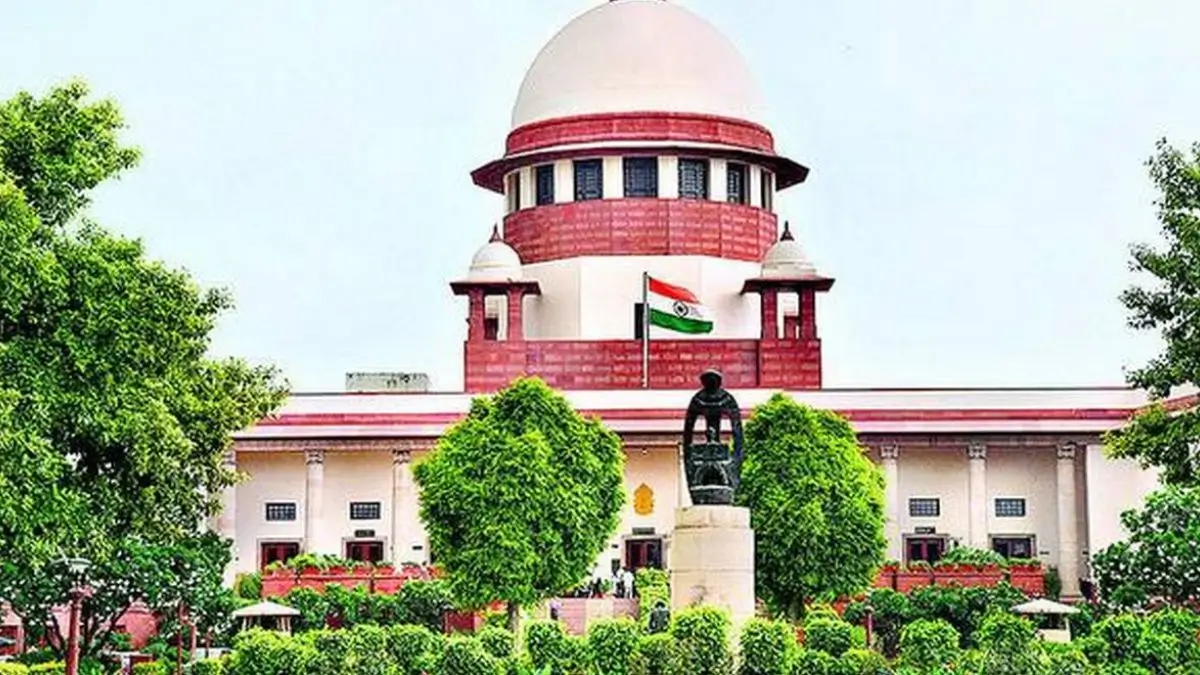








Rajnath Singh inaugurates 125 border infrastructure projects including Shyok Tunnel in Ladakh, strengthening India’s defence preparedness and socio-economic development in remote regions.
Rajnath Singh Inaugurates 125 Border Infrastructure Projects: A Major Boost to India’s Frontier Connectivity
In a landmark event for India’s defence and border infrastructure, Defence Minister Rajnath Singh inaugurated 125 newly completed infrastructure projects — the largest ever single‑day launch by Border Roads Organisation (BRO)
Scope of the Projects — Roads, Bridges and More
The massive infrastructure push encompasses 28 new roads, 93 bridges, and four additional strategic works across a wide swath of India’s border regions. The total estimated cost of these projects is around ₹5,000 crore.
These are spread across two Union Territories — Ladakh and Jammu & Kashmir — as well as seven states: Arunachal Pradesh, Sikkim, Himachal Pradesh, Uttarakhand, Rajasthan, West Bengal and Mizoram.
The Highlight: The Shyok Tunnel in Ladakh
Among these projects, the most significant is the 920‑metre “Shyok Tunnel” on the Darbuk–Shyok–Daulat Beg Oldie (DS–DBO) road in Ladakh. Built under arduous terrain and extreme weather conditions, this cut‑and‑cover tunnel ensures all‑weather connectivity to one of India’s most sensitive and remote forward areas, otherwise often cut off due to heavy snowfall or avalanches.
The all‑weather tunnel will facilitate year‑round movement of troops, equipment, and supplies, significantly boosting India’s defence readiness.
Strategic and Socio‑Economic Impact
This infrastructure push is not just about defence. According to Rajnath Singh, improved border connectivity will drive economic development, promote tourism, and generate employment opportunities in remote and border‑area communities. The enhanced mobility will also strengthen disaster response capabilities and help integrate remote regions more closely with the mainstream.
The inauguration also included virtual unveiling of memorials to honour soldiers — for instance, a war memorial in the border region — reinforcing respect for those who sacrifice for the nation.
Government’s Vision: “Viksit Bharat” and Border Development
Rajnath Singh described the 125‑project launch as a reaffirmation of the central government’s commitment to building a “Viksit Bharat” — a developed India where even remote frontiers enjoy robust infrastructure, security, and connectivity.
The event underscores that border infrastructure is not merely tactical, but part of a broader vision of national integration, socio‑economic upliftment, and balanced development.

Why This News is Important
Strengthening National Security and Defence Preparedness
The inauguration of 125 border infrastructure projects — especially the Shyok Tunnel — enhances India’s defence preparedness significantly. All‑weather connectivity ensures troops and equipment can move swiftly even under harsh conditions, which is crucial along remote and sensitive border areas. For aspirants of defence and civil‑service examinations, this marks a clear example of how strategic infrastructure underpins national security.
Boost to Socio‑Economic Integration of Border Regions
Beyond security, these projects promise major socio‑economic transformation for remote, previously inaccessible regions. Improved roads and bridges facilitate trade, tourism, supply of essential goods, healthcare access, and more. For students preparing for government exams (SSC, railways, UPSC, etc.), it highlights the government’s multi‑pronged development strategy — blending infrastructure, security and welfare.
Reflection of Government’s Development Agenda
This move reflects government priorities under the “Viksit Bharat” vision — balancing border security with development, connectivity, and integration. It shows how policy initiatives combine defence readiness with nation‑building. Knowledge of such initiatives is relevant for general studies and current affairs sections in competitive exams.
Historical Context of India’s Border Infrastructure Development
Since the early years after independence, the terrain along India’s northern and northeastern borders has posed major logistical challenges due to extreme weather, rocky or mountainous terrain, and remoteness. Building roads, bridges or tunnels in these areas has always been difficult. Over the decades, agencies like the BRO have been tasked with gradually building connectivity — but progress was slow due to environmental, technical, and funding constraints.
In recent decades, with increased geopolitical tensions and a focus on internal integration and development, India has significantly ramped up border infrastructure efforts. Previous inaugurations had included dozens of projects at a time. For instance, earlier, the BRO had inaugurated 75 projects across multiple states, including Jammu & Kashmir, Ladakh, Northeast, etc.
The latest inauguration of 125 projects — the largest ever at once — marks the culmination of decades-long efforts and new-found urgency driven by strategic, security and developmental imperatives. The emphasis is now on rapid execution, modern engineering (tunnels, modular bridges), and integrating defence infrastructure with civilian utility — reflecting a changing paradigm in border management and national integration.
Key Takeaways from This News
| S.No. | Key Takeaway |
|---|---|
| 1 | 125 border infrastructure projects inaugurated by Rajnath Singh — 28 roads, 93 bridges, 4 other works — worth ~ ₹5,000 crore. |
| 2 | The projects span 2 Union Territories (Ladakh & Jammu & Kashmir) and 7 states including Arunachal Pradesh, Sikkim, Himachal Pradesh, Uttarakhand, Rajasthan, West Bengal and Mizoram. |
| 3 | The 920‑metre “Shyok Tunnel” on Darbuk–Shyok–Daulat Beg Oldie road in Ladakh ensures all‑weather connectivity to a strategically critical frontier area. |
| 4 | The infrastructure will strengthen military mobility, logistics, rapid deployment — essential for national security and defence readiness. |
| 5 | Beyond security, these projects are expected to boost socio‑economic development in remote border regions — improving connectivity, access, tourism, livelihoods, and integration with mainstream India. |
FAQs: Frequently Asked Questions
1. Who inaugurated 125 border infrastructure projects in India recently?
Defence Minister Rajnath Singh inaugurated the 125 border infrastructure projects, marking the largest single-day launch by the Border Roads Organisation (BRO).
2. How many roads and bridges were included in these projects?
The projects included 28 roads and 93 bridges, along with four additional strategic constructions across multiple states and union territories.
3. Which is the most significant project among the 125 inaugurated?
The 920-metre Shyok Tunnel on the Darbuk–Shyok–Daulat Beg Oldie (DS–DBO) road in Ladakh is the most significant project, providing all-weather connectivity in a strategically critical area.
4. Which states and union territories benefited from these projects?
Projects were inaugurated across Ladakh, Jammu & Kashmir, Arunachal Pradesh, Sikkim, Himachal Pradesh, Uttarakhand, Rajasthan, West Bengal, and Mizoram.
5. What is the estimated cost of all 125 projects?
The total estimated cost of these projects is around ₹5,000 crore.
6. How will these projects contribute to India’s defence preparedness?
The infrastructure will improve troop mobility, logistics, rapid deployment, and ensure year-round access to remote border areas, strengthening national security.
7. What socio-economic benefits do these projects provide?
The projects promote economic development, tourism, employment opportunities, disaster response, and connectivity of border communities with mainstream India.
8. What is the role of the Border Roads Organisation (BRO)?
BRO is responsible for planning, constructing, and maintaining roads and bridges in border areas to ensure strategic mobility and connectivity.
9. Why is the Shyok Tunnel strategically important?
It ensures all-weather access to remote Ladakh regions, which are critical for military operations and timely logistics, especially during winters or natural disruptions.
10. How do these projects align with India’s “Viksit Bharat” vision?
They reflect the government’s plan for integrated national development, combining defence preparedness, socio-economic growth, and regional integration.
Some Important Current Affairs Links