







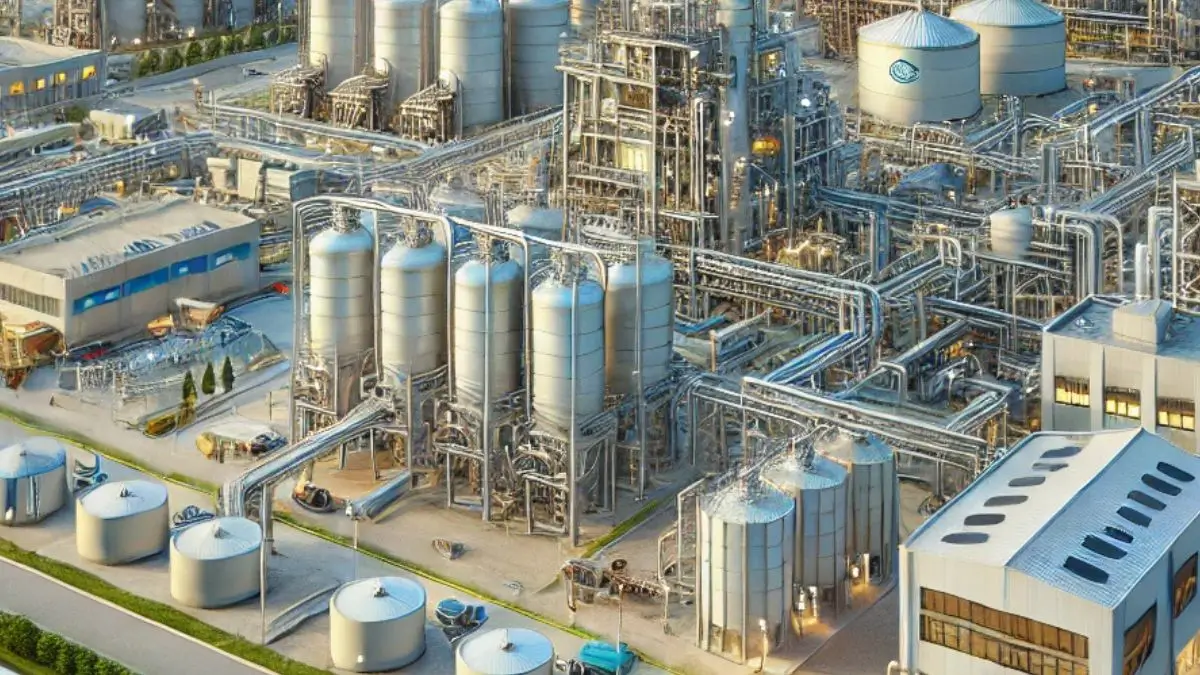
Rajasthan Industrial Park Policy 2026 details including key features, incentives, eligibility, and exam relevance for UPSC, PSC, banking and SSC aspirants.
Rajasthan Industrial Park Policy 2026: A Major Push for Investment and Industrial Growth
Introduction to the New Policy
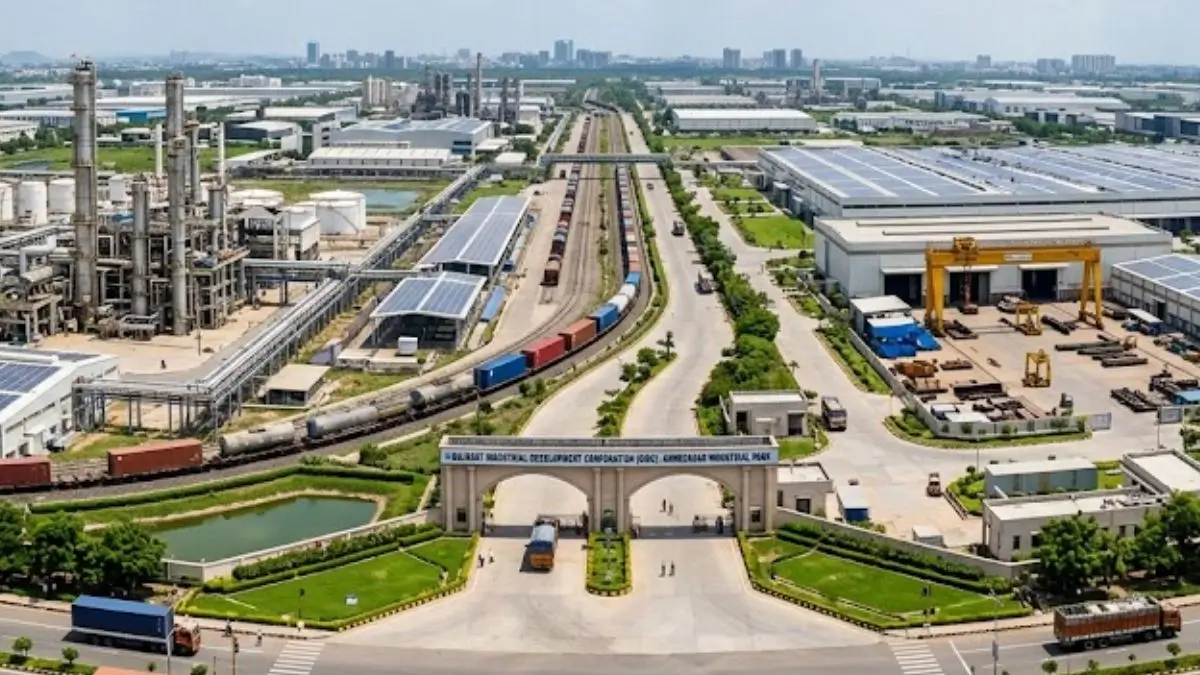
The Government of Rajasthan has launched the Rajasthan Industrial Park Promotion Policy 2026 to strengthen industrial infrastructure and attract both domestic and global investors. The policy reflects the state’s commitment to becoming a major industrial hub in India by encouraging private sector participation and simplifying investment procedures.
This initiative aims to create world-class industrial parks equipped with modern infrastructure, integrated logistics, and advanced facilities, thereby boosting economic growth and employment generation across the state.
Key Features of the Policy
The Rajasthan Industrial Park Policy 2026 introduces multiple development models, including fully private ownership, public-private partnerships (PPP), and hybrid land models supported by RIICO (Rajasthan State Industrial Development and Investment Corporation).
To qualify as an industrial park under this policy:
- A minimum land area of 50 acres is required
- At least 10 industrial units must be established
The policy also expands the scope of industries to include manufacturing, logistics, IT services, hospitality, data centres, and renewable energy sectors.
Financial Incentives and Subsidies
One of the most attractive aspects of the policy is the wide range of incentives offered to developers and investors:
- Capital subsidies up to ₹40 crore depending on project size
- Green incentives including up to 50% reimbursement for effluent treatment plants (capped at ₹12.5 crore)
- Exemptions on electricity duty for renewable energy usage
- Relief on stamp duty and land conversion charges
Additionally, incentives linked to employment generation and investment scale are provided, making the policy highly investor-friendly.
Ease of Doing Business and Digital Integration
The policy integrates the RajNivesh portal, a single-window clearance system designed to streamline approvals and reduce bureaucratic delays. This digital approach ensures faster project implementation and enhances transparency in governance.
Focus on Sustainable and Inclusive Growth
The policy emphasizes sustainable industrial development by promoting green technologies, renewable energy usage, and environmental compliance. It also aims to generate large-scale employment opportunities and strengthen supply chains across sectors.
Expected Impact on Rajasthan’s Economy
The policy is expected to significantly boost industrialization, attract private investments, and create job opportunities. By encouraging modern infrastructure and industrial clusters, Rajasthan aims to improve its competitiveness among Indian states and position itself as a preferred investment destination.

Why This News is Important
Boost to Industrial Development
The Rajasthan Industrial Park Policy 2026 is crucial as it directly targets the expansion of industrial infrastructure. Industrial parks act as growth engines by providing ready-to-use facilities for businesses, thereby reducing setup time and costs.
Employment Generation Opportunities
One of the most important aspects of this policy is its potential to generate large-scale employment. With the establishment of multiple industrial units, job opportunities will increase across sectors such as manufacturing, logistics, and IT.
Enhancing Ease of Doing Business
The introduction of the single-window clearance system through the RajNivesh portal is a major reform. It simplifies approval processes, reduces delays, and improves transparency, making Rajasthan more attractive to investors.
Focus on Sustainable Development
The policy’s emphasis on green incentives and renewable energy aligns with India’s broader goals of sustainable development. This ensures that industrial growth does not come at the cost of environmental degradation.
Relevance for Government Exams
This policy is important for aspirants of UPSC, State PSCs, banking, and other exams as it covers topics like economic development, industrial policy, governance reforms, and sustainable growth—all key areas in the syllabus.
Historical Context
Evolution of Industrial Policies in Rajasthan
Rajasthan has consistently introduced investor-friendly policies to promote industrial growth. Earlier initiatives such as the Rajasthan Investment Promotion Scheme (RIPS) focused on providing tax benefits and subsidies to industries.
Role of RIICO in Industrial Development
The Rajasthan State Industrial Development and Investment Corporation (RIICO) has played a central role in developing industrial areas and attracting investments. Over the years, RIICO has established multiple industrial zones across the state.
Shift Towards Private Participation
Traditionally, industrial infrastructure development was largely government-driven. However, recent policies—including the Industrial Park Policy 2026—have shifted towards encouraging private sector participation and PPP models.
Alignment with National Industrial Goals
The policy aligns with India’s broader initiatives such as Make in India and Atmanirbhar Bharat, which aim to boost domestic manufacturing and reduce dependence on imports.
Key Takeaways from This News
| S.No. | Key Takeaway |
|---|---|
| 1 | Rajasthan launched Industrial Park Policy 2026 to boost investment and industrial growth |
| 2 | Minimum 50 acres land and 10 industrial units required for park eligibility |
| 3 | Capital subsidies up to ₹40 crore and multiple financial incentives offered |
| 4 | RajNivesh portal introduced for single-window clearance and ease of doing business |
| 5 | Focus on sustainable development, employment generation, and private sector participation |
FAQs: Rajasthan Industrial Park Policy 2026
1. What is the Rajasthan Industrial Park Policy 2026?
It is a government initiative aimed at promoting industrial development by encouraging the establishment of industrial parks with modern infrastructure and investor-friendly policies.
2. What is the minimum land requirement under this policy?
A minimum of 50 acres of land is required to develop an industrial park under the policy.
3. How many industrial units must be established in a park?
At least 10 industrial units must be set up to qualify as an industrial park.
4. What types of industries are covered under this policy?
The policy covers a wide range of sectors including manufacturing, logistics, IT services, data centres, hospitality, and renewable energy.
5. What financial incentives are provided?
Developers can receive capital subsidies up to ₹40 crore, along with benefits like stamp duty exemption, electricity duty relief, and green subsidies.
6. What is the role of the RajNivesh portal?
It acts as a single-window clearance system to streamline approvals and improve ease of doing business.
7. Which organization supports industrial development in Rajasthan?
The RIICO (Rajasthan State Industrial Development and Investment Corporation) plays a key role in developing industrial infrastructure.
8. How does the policy support sustainable development?
It promotes renewable energy usage, green technologies, and environmental compliance through incentives.
9. Why is this policy important for competitive exams?
It is relevant for topics like economic development, industrial policy, governance reforms, and sustainable growth, commonly asked in UPSC, PSC, banking, and SSC exams.
10. What is the expected impact of this policy?
It is expected to boost investment, create jobs, enhance industrial infrastructure, and strengthen Rajasthan’s economy.
Some Important Current Affairs Links