







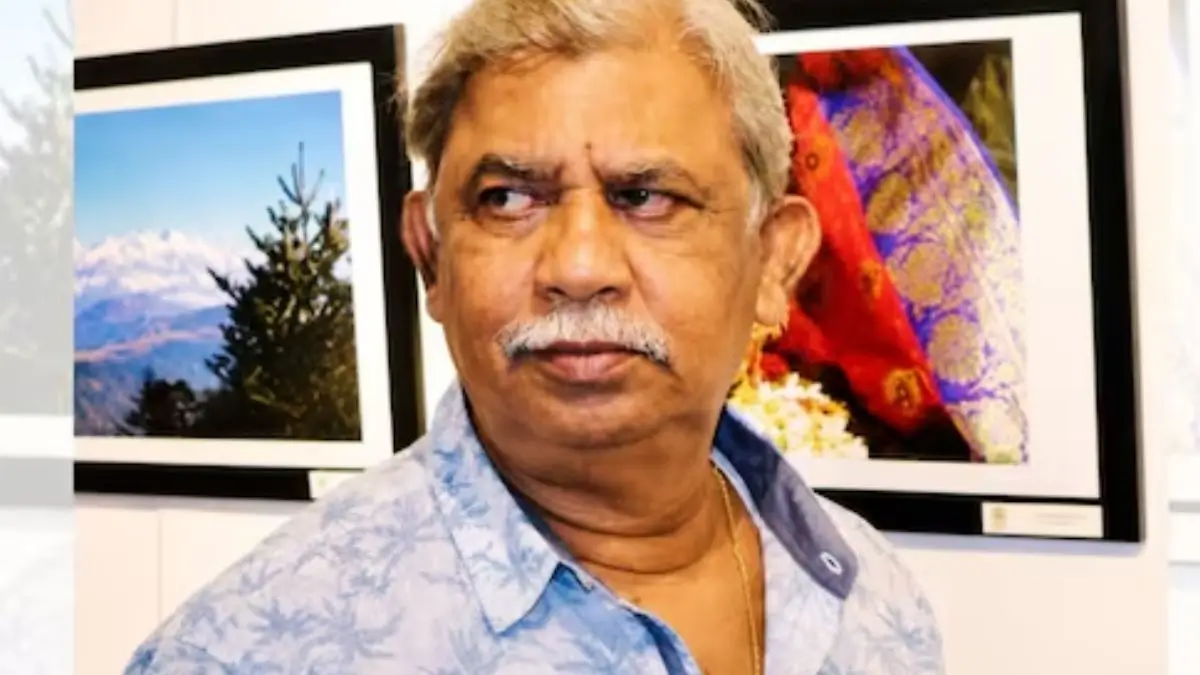
Raja Sen national award winner and veteran Bengali filmmaker died at 71 in Kolkata. Know his National Film Awards, Damu, notable films and key exam facts.
Raja Sen Passes Away at 71
Veteran Bengali filmmaker Raja Sen, a three-time National Film Award winner, passed away in Kolkata on 16 August 2026 at the age of 71 after a prolonged illness. He was undergoing treatment at SSKM Hospital, where his condition had reportedly deteriorated because of multiple health complications. His death marks a significant loss for Bengali cinema and Indian regional filmmaking.
Raja Sen’s Contribution to Indian Cinema
Raja Sen was widely recognised for bringing literary sensitivity, social themes and human relationships into Bengali cinema. His filmmaking career extended across television and feature films, and he became particularly known for works such as Damu, Atmiyo Swajan and Laboratory. His films demonstrated the importance of regional languages and local cultural narratives in Indian cinema.
National Film Awards and Major Recognition
Sen was a three-time National Film Award winner, making his contribution particularly relevant from the perspective of Indian cinema and cultural history. His directorial debut Damu, released in 1996, received the National Film Award and became one of his best-known works. The film helped establish his reputation as a filmmaker capable of combining social themes with accessible storytelling.
Important Films Directed by Raja Sen
Among Raja Sen’s notable films were Damu, Atmiyo Swajan, Desh and Laboratory. His 2010 film Laboratory was based on a story by Nobel laureate Rabindranath Tagore and featured Raveena Tandon. His film Desh also featured veteran Hindi cinema actor Jaya Bachchan, reflecting Sen’s ability to connect Bengali storytelling with performers from different parts of India’s film industry.
Raja Sen and Bengali Television
Before and alongside his feature-film career, Raja Sen made an important contribution to Bengali television. He directed acclaimed television productions, including Subarnalata, Adarsha Hindu Hotel and Arogya Niketan. His work demonstrated how Bengali literature and social themes could be adapted for television audiences as well as cinema.
A Bridge Between Regional and Mainstream Cinema
One notable feature of Sen’s career was his collaboration with artists associated with both Bengali and Hindi cinema. By bringing performers such as Jaya Bachchan and Raveena Tandon into Bengali-language productions, he helped create a connection between regional cinema and the broader Indian film industry. This aspect of his career makes him an important figure in the development of India’s multilingual cinematic culture.
His Final Days and Death
Raja Sen had been suffering from several health complications and was receiving treatment at Kolkata’s SSKM Hospital. Reports stated that he was placed on ventilator support after his condition became critical. Doctors also reported complications involving major organs in the final stage of his illness. He died on Sunday, 16 August 2026.
Importance for Government Exam Aspirants
The death of Raja Sen is relevant to current-affairs preparation because questions on important personalities, awards, Indian cinema and cultural heritage frequently appear in competitive examinations. Aspirants should remember that Raja Sen was a Bengali filmmaker, a three-time National Film Award winner and was particularly associated with Damu. His career also provides an example of the contribution of regional cinema to India’s cultural landscape.
Key Exam Facts About Raja Sen
For examination purposes, students should remember the association between Raja Sen, Bengali cinema, National Film Awards and the film Damu. His notable works also included Atmiyo Swajan and Laboratory. He died in Kolkata in August 2026 at the age of 71 after prolonged illness. These facts may be useful in General Awareness, Current Affairs, Static GK and questions related to awards and personalities.

Why This News is Important
Important Current Affairs Personality
Raja Sen’s death is an important current-affairs event because he was a recognised personality in India’s film and cultural landscape. Government examinations regularly include questions about recently deceased personalities, award winners, filmmakers, writers, artists and other contributors to Indian culture. Knowing his name, profession, achievements and major works can therefore help aspirants prepare for General Awareness and Current Affairs sections.
Importance of the National Film Awards
The news also draws attention to India’s National Film Awards, one of the country’s major film-award institutions. Raja Sen was a three-time National Film Award winner. For competitive-exam candidates, this provides an opportunity to revise important facts about India’s national-level film awards, their connection with the Government of India and their role in recognising excellence in Indian cinema.
Regional Cinema and Indian Culture
Raja Sen’s career highlights the importance of regional-language cinema in India’s diverse cultural environment. Bengali cinema has played a major role in Indian filmmaking, and Sen contributed to this tradition through films and television productions. His work also connected Bengali storytelling with performers from the Hindi film industry.
Important Films for Examination
The film Damu is particularly important because it is strongly associated with Raja Sen’s National Award-winning career. Candidates should also remember Atmiyo Swajan, Desh and Laboratory as notable works associated with him. Such film-personality associations can be useful for questions in current affairs and culture-related sections.
Relevance Across Competitive Examinations
The topic can be useful for aspirants preparing for SSC, Banking, Railways, Defence, Police, teaching examinations, State PCS and UPSC Civil Services. Questions may ask about Raja Sen’s profession, awards, language of cinema, notable films or the place and year of his death. Therefore, the news should be added to monthly current-affairs revision notes.
Historical Context: Raja Sen and Bengali Cinema
Development of Bengali Cinema
Bengali cinema has a long and influential history within Indian filmmaking. It has produced directors, actors, writers and technicians whose works have received national and international recognition. Filmmakers such as Satyajit Ray, Mrinal Sen, Ritwik Ghatak and Buddhadeb Dasgupta helped establish Bengali cinema as an important centre of artistic and socially conscious filmmaking. Raja Sen belonged to a later generation that continued this tradition through both television and cinema.
Raja Sen’s Entry into Filmmaking
Born in Kolkata in 1955, Raja Sen developed a career spanning television and feature films. His television work included adaptations and productions based on Bengali literature and social themes. This experience helped him establish a distinctive approach to storytelling before he gained wider recognition through feature films.
The Significance of Damu
Raja Sen’s 1996 directorial debut Damu became a major milestone in his career. The film received the National Film Award and established him as an important filmmaker. The success of Damu demonstrated how regional-language cinema could address meaningful social themes while gaining recognition at the national level.
Literature and Cinema
Sen’s career also reflected the strong relationship between Bengali literature and cinema. His film Laboratory was based on a story by Rabindranath Tagore, one of India’s most influential literary figures. Such adaptations illustrate the continuing influence of Bengali literature on regional filmmaking.
A Lasting Cultural Legacy
Through films, television productions and collaborations with artists from different parts of India, Raja Sen contributed to the country’s multilingual cinematic culture. His death in August 2026 represents the loss of a filmmaker whose career connected Bengali cultural storytelling with wider Indian cinema.
Key Takeaways from Raja Sen’s Death: National Award-Winning Bengali Filmmaker
| S. No. | Key Takeaway |
|---|---|
| 1 | Raja Sen was a veteran Bengali filmmaker and a three-time National Film Award winner. |
| 2 | He passed away in Kolkata on 16 August 2026 at the age of 71 after prolonged illness. |
| 3 | His 1996 directorial debut Damu was a major milestone and received the National Film Award. |
| 4 | His notable works included Damu, Atmiyo Swajan, Desh and Laboratory. |
| 5 | His career reflected the importance of Bengali regional cinema, literature-based storytelling and India’s multilingual film culture. |
5. Which film marked Raja Sen’s directorial debut?
Raja Sen made his directorial debut with the Bengali film Damu, released in 1996.
6. Why is Damu important in Raja Sen’s career?
Damu was a major milestone in Raja Sen’s career and received the National Film Award, helping establish him as a nationally recognised filmmaker.
7. What were some notable films directed by Raja Sen?
His notable films included Damu, Atmiyo Swajan, Desh and Laboratory.
8. Which famous author’s work inspired the film Laboratory?
Raja Sen’s film Laboratory was based on a story by Rabindranath Tagore.
9. Which Bengali filmmaker is associated with the National Film Award-winning film Damu?
Raja Sen is associated with Damu, which was an important work in his career.
10. Why is Raja Sen’s death important for competitive examinations?
His death is relevant to Current Affairs and General Awareness because he was a nationally recognised filmmaker and three-time National Film Award winner. Questions can be asked about his profession, awards, films and contribution to Indian cinema.
Some Important Current Affairs Links