







Operation Sankalp Indian Navy mission ensures maritime security in West Asia and protects shipping routes near the Strait of Hormuz. Learn its significance for UPSC and government exams.
Operation Sankalp Back in Focus as Indian Navy Stays Alert in West Asia
Rising Tensions in West Asia Bring Operation Sankalp Back into Focus
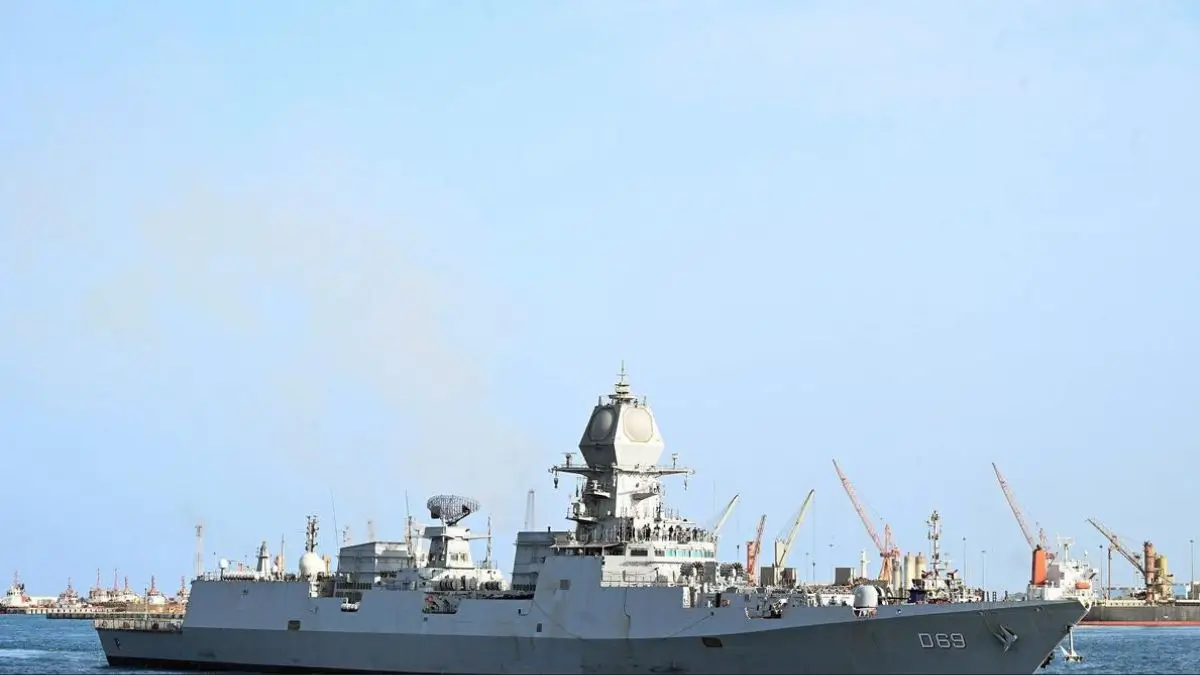
The Indian Navy’s maritime security mission Operation Sankalp has once again drawn attention as geopolitical tensions rise in West Asia. The Indian Navy has reportedly kept its warships on high alert in the region to safeguard India’s strategic interests and ensure the safety of commercial shipping routes. This development is particularly significant for India because a large portion of its trade and energy imports passes through this region.
The escalation of conflicts in the Middle East has increased risks for merchant vessels traveling through important sea lanes such as the Strait of Hormuz and the Gulf of Oman. These waterways are among the most crucial global maritime chokepoints, with a significant percentage of the world’s crude oil trade passing through them. Any disruption in these routes can have serious implications for global trade and energy security.
Role of the Indian Navy Under Operation Sankalp
Operation Sankalp is a maritime security initiative launched by the Indian Navy to protect Indian merchant ships and maintain stability in critical international sea routes. The operation involves the deployment of naval warships, surveillance aircraft, and specialized marine commandos to monitor the region and provide assistance when required.
Through this mission, the Indian Navy escorts merchant vessels, conducts surveillance patrols, and remains prepared to respond to emergencies such as piracy, attacks on ships, or humanitarian crises. The deployment of naval assets also demonstrates India’s commitment to safeguarding international shipping lanes and protecting its economic interests.
Strategic Importance of the Strait of Hormuz
The Strait of Hormuz is one of the most critical maritime routes in the world, connecting the Persian Gulf to the Arabian Sea. Nearly one-fifth of global oil shipments pass through this narrow waterway. As India imports a large portion of its crude oil from Gulf countries, any instability in this region can directly affect the country’s energy security.
Because of this strategic importance, the Indian Navy continuously monitors the region and deploys ships under Operation Sankalp to ensure safe passage for Indian-flagged vessels. This proactive maritime presence helps prevent disruptions in trade and provides reassurance to shipping companies operating in the region.
Preparedness for Humanitarian and Evacuation Missions
Another important aspect of Operation Sankalp is its role in Humanitarian Assistance and Disaster Relief (HADR). In case of emergencies such as conflict escalation or natural disasters, the Indian Navy is prepared to evacuate Indian citizens and provide assistance to affected populations.
The Indian Navy’s preparedness highlights India’s growing capability as a blue-water navy, capable of operating far from its shores and contributing to regional stability. The mission also reflects India’s commitment to acting as a responsible maritime power in the Indian Ocean region.

Why This News is Important
Significance for India’s Energy Security
The renewed focus on Operation Sankalp is important because India relies heavily on energy imports from Gulf countries. Any disruption in maritime trade routes in West Asia could significantly affect India’s oil supply and economic stability. By deploying naval forces in the region, India ensures that its oil shipments and commercial vessels remain protected.
Strategic Role in Regional Security
This development also highlights India’s growing role as a security provider in the Indian Ocean Region. The presence of Indian warships in sensitive areas strengthens maritime stability and deters threats such as piracy, terrorism, or attacks on commercial shipping. It also demonstrates India’s strategic capability to respond quickly to international crises.
Historical Context: Background of Operation Sankalp
Launch of the Mission in 2019
Operation Sankalp was launched by the Indian Navy on 19 June 2019 after several oil tanker attacks in the Gulf of Oman raised concerns about maritime security in the region. The operation was designed to ensure the safe passage of Indian-flagged merchant ships and protect vital sea lanes used for international trade.
Expansion and Continued Deployment
Since its launch, Operation Sankalp has involved the deployment of Indian naval ships in the Gulf region, including the Gulf of Aden, the Strait of Hormuz, and nearby waters. The mission has successfully escorted hundreds of vessels and maintained continuous surveillance of these strategic sea lanes. Over time, the operation has expanded to include anti-piracy patrols and broader maritime security tasks.
Key Takeaways from This News
| S.No. | Key Takeaway |
|---|---|
| 1 | Operation Sankalp is a maritime security mission launched by the Indian Navy in June 2019. |
| 2 | The mission aims to protect Indian merchant vessels and ensure safe navigation in the Gulf region. |
| 3 | Key operational areas include the Strait of Hormuz, Gulf of Oman, and Gulf of Aden. |
| 4 | The operation has gained renewed attention due to rising tensions and conflict in West Asia. |
| 5 | It highlights India’s strategic role in securing global maritime trade routes and protecting energy supplies. |
FAQs for Competitive Exams
1. What is Operation Sankalp?
Operation Sankalp is a maritime security mission launched by the Indian Navy in June 2019 to ensure the safety of Indian merchant ships and protect vital sea lanes in the Gulf region. The operation involves deploying naval warships and surveillance aircraft to monitor maritime activity and escort commercial vessels when necessary.
2. Why was Operation Sankalp launched?
The operation was launched after several attacks on oil tankers near the Strait of Hormuz and surrounding waters raised concerns about maritime security. India initiated the mission to protect its trade routes and energy imports from the Gulf region.
3. Which regions are mainly monitored under Operation Sankalp?
The main operational areas include the Gulf of Oman, Strait of Hormuz, and the Persian Gulf. These regions are strategically important for global oil transportation and international trade.
4. Why is the Strait of Hormuz important for India?
The Strait of Hormuz is one of the world’s most important maritime chokepoints. Nearly one-fifth of the global oil trade passes through it. Since India imports a large portion of its crude oil from Gulf countries, stability in this region is crucial for India’s energy security.
5. Which organization conducts Operation Sankalp?
The mission is conducted by the Indian Navy with the support of naval warships, maritime patrol aircraft, and surveillance systems.
6. When was Operation Sankalp launched?
Operation Sankalp was officially launched on 19 June 2019 to protect Indian shipping interests in the Gulf region.
7. How does Operation Sankalp help India’s foreign policy?
The mission strengthens India’s role as a responsible maritime power and enhances its strategic presence in the Indian Ocean and West Asian maritime region.
Some Important Current Affairs Links