








Nuakhai Festival 2025 Odisha marks the harvest celebration with new rice offerings, community unity, and ₹1,041 crore CM-Kisan aid to farmers. Learn its cultural, social, and exam-relevant significance.
Nuakhai Festival 2025: Odisha’s Harvest Celebration
Festive Reverence for the New Rice (Nuakhai)
Nuakhai, celebrated on 28 August 2025 in Odisha, particularly energizes the western region with its profound cultural and agrarian significance. Observed on the Panchami tithi (the fifth day) of the Bhadrapada lunar fortnight, the festival marks the inaugural consumption of newly harvested rice—an offering to deities and a blessing for abundant yields
Community Preparations and Economic Buoyancy
Communities begin preparations well in advance—cleaning and painting homes, purchasing vegetables, sweets, and ceremonial items, while clothing markets with fervent activityMarkets witness a surge in demand, and transportation systems expand to accommodate returning families—fueling local economies
A Festival of Unity and Social Harmony
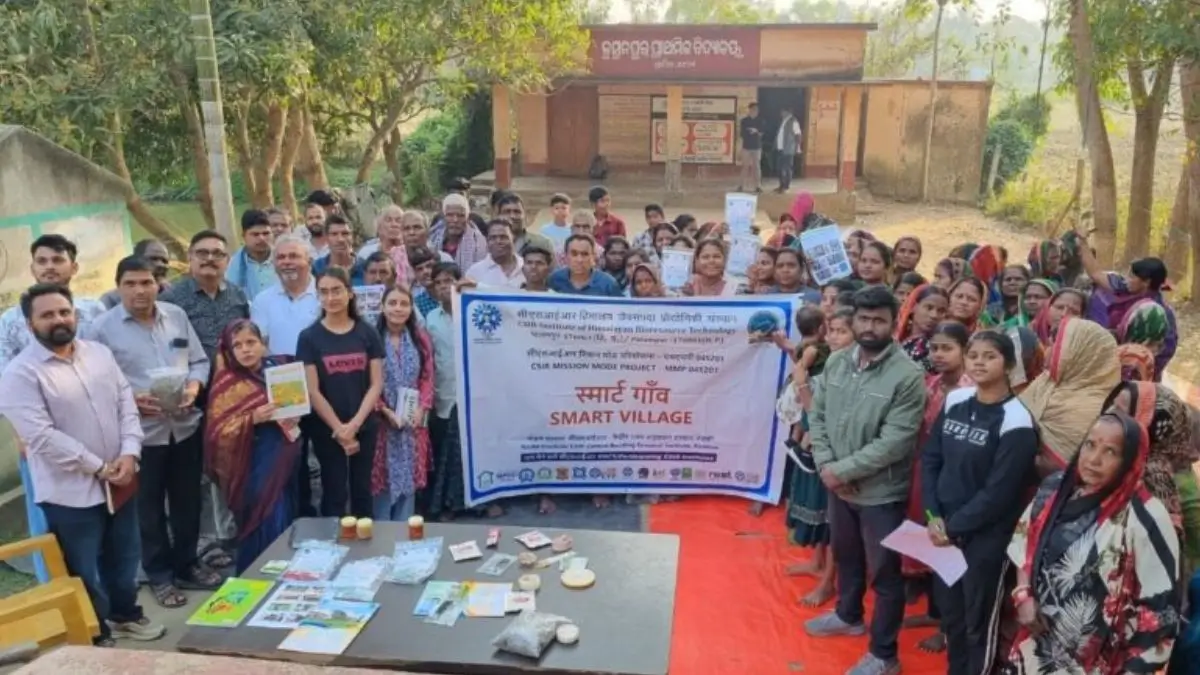
Nuakhai transcends religious rites, fostering unity across castes and communities. In Jhurimal village of Sundargarh, the festival is celebrated communally—163 households worship, cook, and feast together. Rituals such as men serving women first symbolize inclusion and respect, challenging entrenched norms
Political Leadership and Symbolic Affirmation
Prominent leaders amplified the day’s importance. President Droupadi Murmu lauded Nuakhai as a symbol of friendship and gratitude, while Prime Minister Modi and Union Home Minister Amit Shah extended their greetings, urging acknowledgment of farmers’ contributions. CM Mohan Charan Majhi called for commitment toward Odisha’s 2036 and India’s 2047 developmental goals. At the Raj Bhavan, ceremonial offerings reinforced the festival’s cultural essence
Welfare Measures on the Eve of Nuakhai
Coinciding with the festival’s eve, CM Majhi disbursed ₹1,041 crore via direct benefit transfer to over 51 lakh small, marginal, and landless farmers under the CM-Kisan scheme. Combined benefits from CM-Kisan, Subhadra Yojana, and PM-Kisan now offer an annual income boost of ₹58,000 per farmer. Additional initiatives include establishing a ₹59 crore Krushak Bhavan, extending paddy procurement registration, and promoting allied agri-activities with infrastructure and scholarships for farmers’ children

B) Why This News Is Important
Agrarian Culture & Exam Relevance
Nuakhai is more than a festival—it underscores the agrarian backbone of western Odisha. Understanding its significance is essential for exams covering Indian culture, regional diversity, and agricultural traditions, especially under GS Paper I (Art & Culture) and GS Paper III (Agriculture & Rural Development).
Community Integration & Social Dynamics
The communal celebrations in Jhurimal exemplify how festivals can bridge social divides, promote equality, and empower women—valuable for understanding India’s socio-cultural fabric and governance models reflecting social cohesion.
Governance & Welfare Integration
The synchronization of festival celebrations with significant welfare measures (like CM-Kisan disbursement and infrastructure investments) offers insight into how governance can symbolically align with cultural events to reinforce policy outreach—pertinent to questions on welfare programmes and state-centric policy frameworks.
Political Symbolism & Cultural Identity
Greetings from national and state leaders reinforce Nuakhai’s role in Odisha’s identity and national cultural landscape—highlighting how cultural festivals play into federal identity formation and political communication.
C) Historical Context
Vedic and Medieval Roots of Nuakhai
The festival draws from Vedic rituals—specifically the pralambana yajna (first-grain offering). Historical records trace its institutionalization to the era of Raja Ramai Deo in the 12th–14th century AD in the Patna (now Balangir) region, where it underscored the shift from subsistence to settled agriculture and consolidation of regional identity
Evolution into a Community Festival
Originally village-specific, with dates set by local priests, Nuakhai later gained state-wide recognition. By 1991, the Odisha government standardized its observance on Bhadraba Sukla Panchami and declared it an official holiday—merging religious tradition with administrative endorsement
Cultural Expressions & Ritual Sequence
The festival unfolds through nine ritual steps (Navaranga)—from announcing the festival (Beheren) to exchanging blessings (Juhar Bhet). Preparatory rituals, deity worship, distribution of new rice, folk dances (like Dalkhai, Rasarkeli), and communal greeting ceremonies enrich its socio-cultural tapestry
D) Key Takeaways from Nuakhai Festival 2025
| S. No. | Key Takeaway |
|---|---|
| 1 | Nuakhai 2025 was celebrated on 28 August (Bhadraba Sukla Panchami), marking the first consumption of new rice in western Odisha |
| 2 | The festival fosters economic uplift through increased spending in local markets and heightened travel demand |
| 3 | In Jhurimal village, Nuakhai is celebrated communally—emphasizing equality, inclusivity, and reversing patriarchal norms by having men serve women first |
| 4 | On the eve, the Odisha government disbursed ₹1,041 crore to 51 lakh farmers under the CM-Kisan scheme and launched welfare initiatives like Krushak Bhavan and allied agriculture support |
| 5 | Nuakhai carries political and cultural weight, with greetings from national leaders reinforcing its role in Odisha’s identity and its alignment with developmental goals |
FAQs Related to Nuakhai Festival 2025
Q1. When was the Nuakhai Festival 2025 celebrated?
It was celebrated on 28 August 2025, corresponding to the Panchami tithi of Bhadraba Sukla fortnight.
Q2. What is the primary significance of the Nuakhai festival?
It marks the first consumption of newly harvested rice and serves as an occasion to thank deities for a good harvest.
Q3. Which state primarily celebrates Nuakhai?
Nuakhai is celebrated mainly in western Odisha, though its cultural influence extends to neighboring Chhattisgarh and Jharkhand.
Q4. Who extended greetings on Nuakhai Festival 2025?
Greetings came from President Droupadi Murmu, Prime Minister Narendra Modi, Union Home Minister Amit Shah, and Odisha CM Mohan Charan Majhi.
Q5. What welfare initiative coincided with Nuakhai 2025?
CM Majhi disbursed ₹1,041 crore to 51 lakh farmers under the CM-Kisan scheme on the eve of the festival.
Q6. What unique community practice was observed in Jhurimal village during Nuakhai?
The community celebrated together, with men serving food to women first, symbolizing inclusivity and equality.
Q7. What is the historical origin of Nuakhai?
It is linked to Vedic rituals of first-grain offering (pralambana yajna) and was institutionalized in the 12th–14th century AD during the reign of Raja Ramai Deo.
Q8. How does Nuakhai affect the economy?
The festival boosts local markets, transportation, and rural trade, providing economic momentum in western Odisha.
Q9. What are the nine ritual stages of Nuakhai called?
They are collectively known as Navaranga, beginning with Beheren (festival announcement) and ending with Juhar Bhet (greeting exchange).
Q10. Which schemes together enhance farmers’ annual support alongside CM-Kisan?
PM-Kisan and Subhadra Yojana, combined with CM-Kisan, provide ₹58,000 annually per farmer household.
Some Important Current Affairs Links