







National Conclave on Tribal Languages begins in Mysuru with focus on tribal language preservation, Jago AI bot, Adi Vaani and cultural heritage.
Conclave Focuses on Tribal Languages and Cultural Preservation
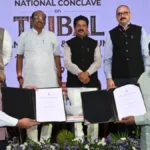
A three-day National Conclave on Tribal Languages and Museums began in Mysuru, Karnataka, on August 24, 2026. The important national-level event brought together policymakers, linguists, scholars, technologists and members of tribal communities to discuss the preservation, documentation and promotion of India’s tribal languages and cultural heritage.
The conclave has highlighted the need to protect linguistic traditions that are facing the risk of decline. Tribal languages are an important part of India’s cultural diversity and carry valuable knowledge, traditions, oral histories and community practices. The event has therefore focused on combining community participation, academic research and modern technology to strengthen language conservation efforts.
Ministry of Tribal Affairs Leads the Initiative
The conclave is being organised by the Ministry of Tribal Affairs in association with the Karnataka State Tribal Research Institute and the Central Institute of Indian Languages. The collaboration reflects the importance of coordination between government institutions, research bodies and tribal communities in preserving India’s linguistic heritage.
For competitive examinations, candidates should remember the role of the Ministry of Tribal Affairs in implementing policies and programmes related to the welfare and development of Scheduled Tribes. The involvement of the Central Institute of Indian Languages is also significant because the institution plays an important role in linguistic research, documentation and the promotion of Indian languages.
Adi Vaani Platform Receives a Major Upgrade
One of the major announcements at the conclave was the revamp of the Adi Vaani platform. The platform has been expanded with the addition of five new languages and an iOS application. A new logo for the platform was also launched.
The upgraded platform is expected to make tribal language resources more accessible to users. Digital platforms can play an important role in documenting endangered languages and making learning material available to younger generations. The use of mobile technology can also help preserve languages by connecting communities, researchers and learners through a common digital system.
Jago AI Bot Introduced for Tribal Welfare Information
Another important initiative launched during the conclave was Jago, an artificial intelligence-based bot of the Ministry of Tribal Affairs. The AI bot has been designed to help users access information related to tribal welfare schemes, programmes, initiatives and digital repositories through a single platform.
The launch of Jago reflects the increasing use of artificial intelligence in public administration and citizen services. For government exam aspirants, this development is important because it demonstrates how emerging technologies are being used to improve access to government information and services.
MoU Signed for Language Documentation
The Ministry of Tribal Affairs and the Central Institute of Indian Languages signed a Memorandum of Understanding for tribal language documentation and corpus building. Under this collaboration, the Central Institute of Indian Languages will provide relevant language data to support documentation and preservation efforts.
Corpus building is especially important in the digital age because structured language data can support research and technological applications. Such data can also contribute to the development of speech recognition, machine translation, text-to-speech systems and other language technologies.
Karnataka Tribal Language Learning Materials Released
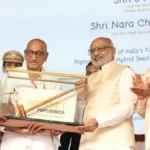
The conclave also witnessed the release of educational materials in tribal languages. The Karnataka Tribal Welfare Department and the Karnataka State Tribal Research Institute released the Karnataka Class 1 Jenukuruba Primer covering subjects such as Kannada, Mathematics and Environmental Studies.
Other learning materials, including Sannivesha, Pragiti Nota and Thattegalu flashcards, were also introduced. These initiatives aim to support the development of educational resources for tribal children and encourage multilingual learning.
The availability of educational materials in tribal languages can improve early learning and help children connect classroom education with their home language and cultural environment.
Technology and Language Conservation Take Centre Stage
A technical panel titled “Technology Meets Tribal Languages” discussed the role of modern technologies in language preservation. Important areas included automatic speech recognition, text-to-speech systems, machine translation, corpus creation, keyboard development and font development.
The discussions also raised concerns regarding data protection, exploitation and the commercialisation of tribal linguistic knowledge. This highlights the need to ensure that technological development respects the rights and interests of tribal communities.
Multilingual Education and Language Revival Discussed
Another major focus area was multilingual education and community-led language revival. Experts discussed language documentation, endangered languages and the importance of involving local communities in conservation efforts.
Sessions also examined teaching methodologies, curriculum development, primers, dictionaries and teacher manuals for tribal children. The relationship between tribal language skills and livelihood opportunities was also discussed.
Tribal research institutes from Kerala, Odisha, Sikkim and Jharkhand shared their experiences and practices related to language conservation.
Mysuru Declaration and Tribal Freedom Fighter Museums
The next stage of the conclave included discussions on the concerns of tribal communities and the proposed signing of the Mysuru Declaration. The event also featured sessions related to Tribal Freedom Fighter Museums, with emphasis on strengthening these institutions for documenting and showcasing the contribution of tribal communities to India’s history and freedom struggle.
Overall, the National Conclave on Tribal Languages and Museums represents an important effort to connect cultural preservation with digital technology, education and public policy. The event is highly relevant for aspirants preparing for UPSC, State PSC, SSC, teaching and other government examinations.

Why This News is Important
Important for Culture and Heritage Questions
The National Conclave on Tribal Languages and Museums is important because it is directly connected with the preservation of India’s cultural and linguistic diversity. India is home to numerous tribal communities whose languages preserve unique traditions, oral histories and indigenous knowledge. Questions related to tribal communities, endangered languages, cultural preservation and government initiatives can appear in UPSC and State PSC examinations.
Important for Government Schemes and Institutions
The event is also important because of the institutions involved. Aspirants should remember the Ministry of Tribal Affairs, the Central Institute of Indian Languages and the Karnataka State Tribal Research Institute. Questions may be asked about the ministry responsible for tribal welfare or the organisations involved in language documentation and preservation.
Important for Technology in Governance
The launch of the Jago AI bot and the upgraded Adi Vaani platform demonstrates the growing use of digital technology and artificial intelligence in governance. The use of AI to provide information about government schemes and programmes is relevant for questions on e-governance, digital public services and emerging technologies.
Important for Education and Social Inclusion
The release of tribal language primers and other learning materials is significant for questions related to multilingual education and inclusive education. Providing educational resources in local and tribal languages can improve learning outcomes and support the preservation of linguistic identity.
Important for Current Affairs Preparation
For competitive examinations, candidates should remember the venue, date, organisers, Adi Vaani platform, Jago AI bot, language documentation MoU and Tribal Freedom Fighter Museums. The news connects several important examination themes, including tribal welfare, culture, technology, education and governance.
Historical Context: Background of Tribal Language Preservation in India
Linguistic Diversity and Tribal Communities
India is one of the world’s most linguistically diverse countries. Many tribal communities have preserved their languages and oral traditions for generations. However, several tribal languages face challenges because of migration, urbanisation, changing education systems and declining use among younger generations.
Importance of Language Documentation
Language documentation involves recording and preserving linguistic knowledge through dictionaries, audio recordings, texts and digital databases. Corpus building creates organised collections of language data that can support linguistic research and technological applications.
Multilingual Education and Tribal Development
The use of mother tongues and local languages in education has been recognised as an important tool for improving learning among children from diverse linguistic backgrounds. Educational material in tribal languages can make early education more accessible and culturally relevant.
Tribal Freedom Fighter Museums
The Government of India has also emphasised documenting the contribution of tribal leaders and communities to the freedom struggle. Tribal Freedom Fighter Museums aim to preserve and showcase this historical legacy, strengthening public awareness about the role of tribal communities in India’s national movement.
Key Takeaways from National Conclave on Tribal Languages and Museums
| S. No. | Key Takeaway |
|---|---|
| 1 | The three-day National Conclave on Tribal Languages and Museums began in Mysuru, Karnataka, on August 24, 2026. |
| 2 | The event is organised by the Ministry of Tribal Affairs in association with the Karnataka State Tribal Research Institute and the Central Institute of Indian Languages. |
| 3 | The revamped Adi Vaani platform was launched with five new languages, an iOS app and a new logo. |
| 4 | Jago, an AI bot of the Ministry of Tribal Affairs, was introduced to help users access information on tribal welfare schemes, programmes and initiatives. |
| 5 | The conclave also focused on tribal language documentation, multilingual education, language revival and Tribal Freedom Fighter Museums. |
Frequently Asked Questions
1. What is the National Conclave on Tribal Languages and Museums?
The National Conclave on Tribal Languages and Museums is a national-level event focused on the preservation, documentation, promotion and revival of India’s tribal languages and cultural heritage.
2. Where did the National Conclave on Tribal Languages and Museums begin?
The conclave began in Mysuru, Karnataka.
3. Which ministry organised the National Conclave on Tribal Languages and Museums?
The Ministry of Tribal Affairs organised the conclave in association with the Karnataka State Tribal Research Institute and the Central Institute of Indian Languages.
4. What is Adi Vaani?
Adi Vaani is a digital platform related to tribal languages and linguistic resources. During the conclave, the platform was revamped with five new languages, an iOS application and a new logo.
5. What is Jago AI bot?
Jago is an artificial intelligence-based bot of the Ministry of Tribal Affairs designed to provide information about tribal welfare schemes, programmes, initiatives and digital repositories.
6. What agreement was signed during the conclave?
A Memorandum of Understanding was signed between the Ministry of Tribal Affairs and the Central Institute of Indian Languages for tribal language documentation and corpus building.
7. Why is tribal language documentation important?
Tribal language documentation helps preserve endangered languages, oral traditions, indigenous knowledge and cultural heritage. It also supports research, education and the development of language technologies.
8. What is corpus building?
Corpus building refers to the systematic collection and organisation of language data. Such data can support research and technologies such as machine translation, speech recognition and text-to-speech systems.
9. What educational materials were released in Karnataka?
The Karnataka Class 1 Jenukuruba Primer and other learning materials, including Sannivesha, Pragiti Nota and Thattegalu flashcards, were released to support tribal language education.
10. Which technologies were discussed for tribal language preservation?
Important technologies discussed included automatic speech recognition, text-to-speech systems, machine translation, corpus creation, keyboard development and font development.
Some Important Current Affairs Links




