









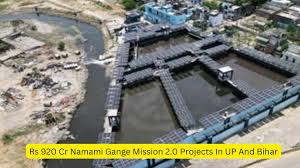
Namami Gange Mission 2.0: Major Projects in UP and Bihar
Introduction to Namami Gange Mission 2.0
The Namami Gange Mission 2.0 is a significant initiative by the Indian government to enhance the cleanliness and rejuvenation of the Ganga River. Recently, the mission saw an allocation of ₹920 crore for new projects in Uttar Pradesh (UP) and Bihar. This expansion of the mission underscores the government’s commitment to improving water quality and environmental health along the Ganga River.
Objective and Scope of the Mission
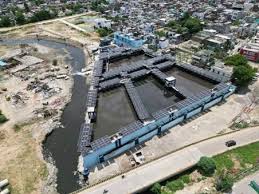
Namami Gange Mission 2.0 is an upgraded version of the initial Namami Gange initiative, launched in 2014. The mission aims to integrate various schemes for pollution abatement and riverfront development. The ₹920 crore investment in UP and Bihar will support projects including the construction of sewage treatment plants, riverfront development, and public awareness campaigns about river conservation.
Impact on Uttar Pradesh and Bihar
The allocation of funds to UP and Bihar is a strategic move, as these states are crucial for the Ganga’s ecosystem. In UP, the projects will focus on improving wastewater management systems and enhancing the overall riverfront infrastructure. Bihar will see similar improvements, with an emphasis on upgrading existing facilities and implementing new treatment technologies. These efforts are expected to significantly reduce the pollution load in the Ganga and improve the quality of life for communities along the river.
Public and Environmental Benefits
The benefits of these projects extend beyond environmental improvements. Cleaner water will positively impact public health, reduce waterborne diseases, and foster economic development in the region. The riverfront development will also boost tourism and create new job opportunities, aligning with broader socio-economic goals.
Future Prospects and Sustainability
For the Namami Gange Mission 2.0 to achieve long-term success, continuous monitoring and community engagement are essential. The mission’s future phases will likely focus on expanding its reach and incorporating advanced technologies to ensure sustainable river management practices.
Why This News is Important
Environmental Significance
The allocation of ₹920 crore to the Namami Gange Mission 2.0 is a pivotal development in India’s environmental policy. The Ganga River is a vital water source for millions and holds immense cultural and ecological value. Improving its cleanliness directly impacts the health of both the environment and the people who rely on it.
Economic and Social Impact
This investment is expected to create significant economic opportunities in UP and Bihar through enhanced infrastructure and job creation. Cleaner rivers contribute to better health outcomes, reducing medical costs related to waterborne diseases and improving the quality of life.
Government’s Commitment
The substantial funding reflects the government’s ongoing commitment to addressing environmental challenges and investing in sustainable development. It highlights the seriousness of the mission and its importance in national policy.
Public Awareness and Engagement
The mission also aims to foster greater public awareness and engagement in river conservation efforts. Educating the public about the importance of maintaining clean water sources can drive community-led initiatives and enhance the effectiveness of government programs.
Long-term Sustainability
Ensuring the long-term success of the Namami Gange Mission 2.0 involves not just immediate improvements but also sustainable practices and community involvement. The mission’s emphasis on sustainability ensures that progress is maintained and that future generations benefit from cleaner, healthier waterways.
Historical Context
Early Initiatives
The Namami Gange Mission was originally launched in 2014 as a comprehensive program to clean and rejuvenate the Ganga River. This initiative was in response to growing concerns about the river’s pollution levels and the impact on public health and the environment.
Challenges and Progress
Since its inception, the mission has faced various challenges, including infrastructural issues, bureaucratic hurdles, and limited community participation. Despite these challenges, significant progress has been made in installing sewage treatment facilities and implementing pollution control measures.
Namami Gange Mission 2.0
The launch of Namami Gange Mission 2.0 marks a significant upgrade, aiming to address past shortcomings and build on existing successes. The focus is on scaling up efforts, introducing advanced technologies, and enhancing community engagement to achieve more sustainable outcomes.
Key Takeaways from the Namami Gange Mission 2.0 News
| Serial Number | Key Takeaway |
|---|---|
| 1 | The Namami Gange Mission 2.0 has received an allocation of ₹920 crore for projects in UP and Bihar. |
| 2 | The mission aims to improve wastewater management, riverfront development, and public awareness. |
| 3 | Cleaner water from the mission is expected to reduce waterborne diseases and boost economic opportunities. |
| 4 | The mission reflects the Indian government’s commitment to environmental sustainability and public health. |
| 5 | Long-term success depends on continuous monitoring, advanced technology, and community involvement. |
Important FAQs for Students from this News
1. What is the Namami Gange Mission 2.0?
The Namami Gange Mission 2.0 is an upgraded initiative of the Namami Gange program aimed at cleaning and rejuvenating the Ganga River. It includes projects to improve sewage treatment, riverfront development, and public awareness to address pollution and enhance river health.
2. How much funding has been allocated to the Namami Gange Mission 2.0 for projects in UP and Bihar?
The Namami Gange Mission 2.0 has received an allocation of ₹920 crore specifically for projects in Uttar Pradesh and Bihar.
3. What types of projects will the funding support in Uttar Pradesh and Bihar?
The funding will support various projects, including the construction of new sewage treatment plants, riverfront development, and public awareness campaigns about river conservation.
4. Why is the Namami Gange Mission 2.0 important for the Ganga River and its surrounding communities?
The mission is crucial because it aims to significantly reduce pollution in the Ganga, improve public health by decreasing waterborne diseases, and foster economic development through enhanced infrastructure and job creation.
5. How will the success of the Namami Gange Mission 2.0 be ensured?
Success will depend on continuous monitoring of the projects, adoption of advanced technologies, and active community engagement to maintain and build upon the improvements made.
Some Important Current Affairs Links