








Mission Sudarshan Chakra announced by PM Modi is India’s indigenous multi-layered air & missile defence system to protect strategic infrastructure and enhance Atmanirbhar Bharat.
Mission Sudarshan Chakra—India’s Multi-Layered Indigenous Defence Shield
Introducing Mission Sudarshan Chakra
On 15 August 2025, during his 79th Independence Day speech from the Red Fort, Prime Minister Narendra Modi unveiled Mission Sudarshan Chakra, an ambitious, decade-long defence initiative slated to be fully operational by 2035 The Economic Times+1The Times of India.
A Shield Inspired by Mythology
Drawing inspiration from Lord Krishna’s legendary weapon—the Sudarshan Chakra—the mission symbolizes precision and invincibility. PM Modi emphasized that “whatever technology comes to attack us, our technology should prove to be better than that.”
A Multi-Layered Air & Missile Defence System
Mission Sudarshan Chakra is designed as a comprehensive shield integrating early-warning sensors, interception systems, cyber-defence mechanisms, and space-based assets. It will include advanced interceptor missiles and strategic command and control infrastructure
Coverage Across Strategic & Civil Spheres
The system will safeguard critical infrastructure, including hospitals, railways, religious institutions, and other strategic sites, ensuring that every citizen feels protected
Self-Reliance and Indigenous Development
Aligning with the Atmanirbhar Bharat mission, all research, development, and manufacturing of Sudarshan Chakra will be done entirely within India, engaging DRDO, private industry, and research institutions
Offensive Integration—More Than Defence
Beyond neutralizing incoming attacks, the system will also enable targeted counter-strikes, enhancing India’s offensive deterrence
Foundations & Future Roadmap
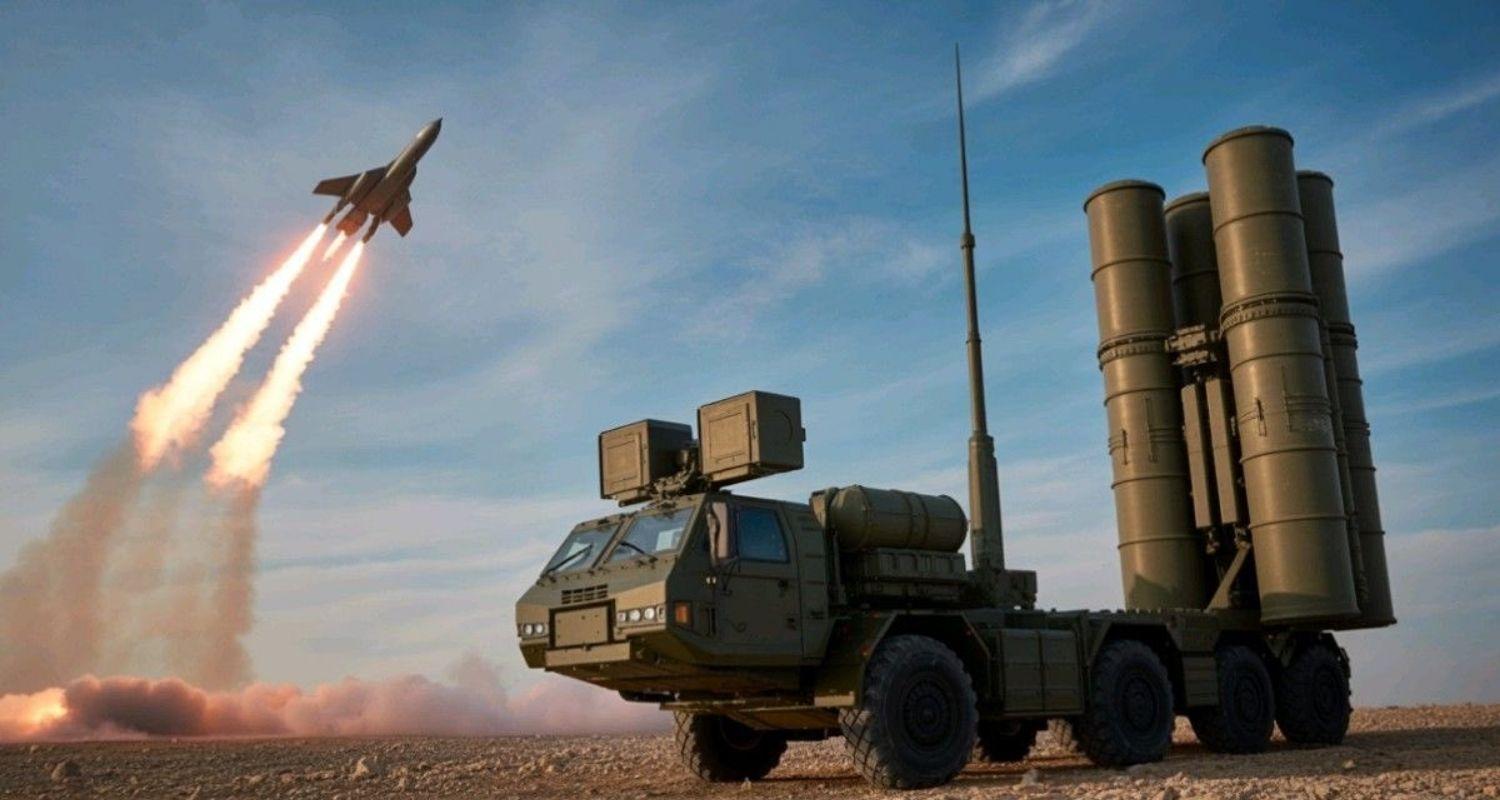
Existing systems like IACCS, S-400, Akash, Barak-8, and Project Kusha (DRDO’s ERADS) form the backbone, with Project Kusha expected to see prototypes by 2025–26 and operational deployment by 2028–30
Timeline of Implementation
- 2025–2028: Integration of current systems and Project Kusha prototyping
- 2028–2030: Testing and initial operational deployment
- By 2035: Full national roll-out and modernization across strategic and civilian zones
This initiative positions India to respond proactively to multi-domain threats—airborne, cyber, and missile-based—while establishing strategic autonomy and technological leadership.
Why This News Is Important
Indicator of Strategic Defence Evolution
Mission Sudarshan Chakra marks a paradigm shift in India’s defence posture—from reactive strategies to proactive, integrated protection across domains. It aims to deliver swift, precise responses to modern warfare challenges, crucial for exam aspirants studying security and strategic affairs.
Boost to “Atmanirbhar Bharat” & Defence Modernization
The mission exemplifies India’s drive toward self-reliance and modernization in defence technology. By prioritizing indigenous R&D and manufacturing, it advances the national goal of technological independence—a key theme in civil service and public administration examinations.
Historical Context: From Myth to Modern Shield
Mythological Inspiration
The “Sudarshan Chakra,” Lord Krishna’s famed disk-like weapon from the Mahabharata, is celebrated for its accuracy and inevitability. PM Modi aptly drew on this symbol to convey precision, invincibility, and return to origins—an embodiment of India’s defence ambition
Emerging Threats & Lessons from Operation Sindoor
In May 2025, Operation Sindoor showcased India’s existing capabilities—neutralizing Pakistani drone and missile threats using indigenous systems like the S-400, Akash, and BrahMos The operation reinforced the need for an all-encompassing, layered defence system.
Global Technological Benchmarks
India’s initiative echoes global efforts like Israel’s Iron Dome and the US Golden Dome, but aims to transcend them by including counter-strikes and comprehensive coverage of civilian zones
Key Takeaways from Mission Sudarshan Chakra
| No. | Key Takeaway |
|---|---|
| 1 | Mission Sudarshan Chakra aims to establish an indigenous, multi-layered air & missile defence shield by 2035. |
| 2 | The mission will protect strategic, civilian, and religious infrastructures—ensuring “complete security cover.” |
| 3 | It is inspired by mythology and powered by Atmanirbhar Bharat, emphasizing home-grown research and manufacturing. |
| 4 | Beyond defence, the system supports counter-strike capabilities—a step toward strategic deterrence. |
| 5 | Key building blocks include IACCS, S-400, Akash, Barak-8, and the Project Kusha ERADS, with phased deployment from 2025 to 2035. |
FAQs: Frequently Asked Questions
1. What is Mission Sudarshan Chakra?
Mission Sudarshan Chakra is India’s indigenous multi-layered air and missile defence system, designed to protect critical infrastructure and enable counter-strike capabilities.
2. When was Mission Sudarshan Chakra announced?
It was announced by Prime Minister Narendra Modi on 15 August 2025 during the 79th Independence Day speech at the Red Fort.
3. Which mythological weapon inspired the mission?
The system is inspired by Lord Krishna’s Sudarshan Chakra, known for its precision and invincibility.
4. Which existing defence systems will form the backbone of Mission Sudarshan Chakra?
Key systems include IACCS, S‑400, Akash, Barak‑8, and Project Kusha ERADS.
5. What is the operational timeline of the mission?
- 2025–2028: Integration and prototyping
- 2028–2030: Testing and initial deployment
- By 2035: Full national roll-out
6. How does the mission support Atmanirbhar Bharat?
All research, development, and manufacturing of the system are indigenous, involving DRDO, private industry, and research institutions.
7. Does the mission only focus on defence?
No, it also includes offensive integration, enabling precise counter-strike capabilities.
8. Which areas will be protected under this mission?
The mission covers strategic sites, hospitals, railways, religious institutions, and other critical infrastructures.
Some Important Current Affairs Links