
ISRO Gaganyaan mission 2026 includes seven major space launches, featuring the uncrewed test flight. Learn about India’s human spaceflight programme and upcoming ISRO missions.
ISRO Plans Seven Major Space Launches Including Uncrewed Gaganyaan Mission by March 2026
Introduction: ISRO’s Expanding Space Roadmap
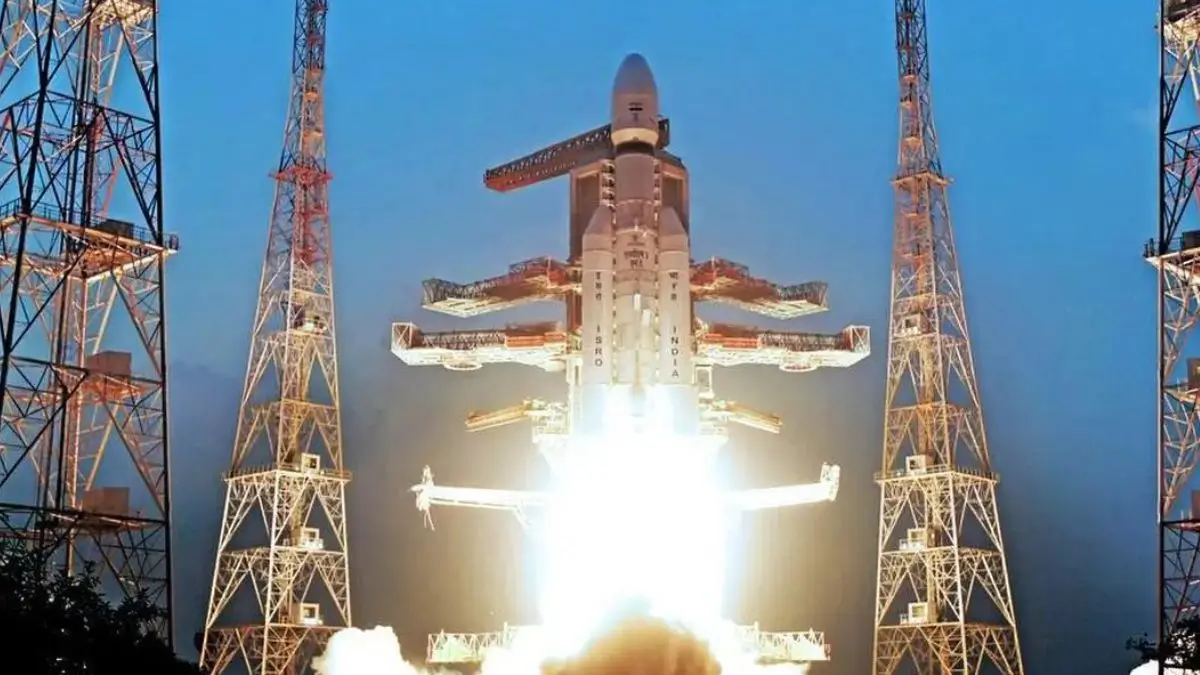
The Indian Space Research Organisation (ISRO) has announced an ambitious roadmap that includes seven major space launches by March 2026, marking a significant milestone in India’s space exploration journey. Among these missions, the most notable is the uncrewed Gaganyaan mission, a crucial step towards India’s first human spaceflight programme. This development reinforces India’s growing capabilities in space technology, satellite deployment, and human spaceflight readiness.
Focus on the Gaganyaan Programme
The Gaganyaan mission aims to send Indian astronauts, known as Vyomanauts, into Low Earth Orbit (LEO) aboard an indigenous spacecraft. Before sending humans, ISRO has planned a series of uncrewed test flights to validate life support systems, crew module safety, re-entry mechanisms, and emergency abort systems. The uncrewed Gaganyaan mission scheduled before March 2026 will play a decisive role in ensuring mission reliability.
Details of the Seven Planned Launches
ISRO’s launch plan includes a mix of human spaceflight tests, satellite launches, and technology demonstration missions. These missions will use various launch vehicles such as LVM3 (Gaganyaan launch vehicle) and PSLV, highlighting ISRO’s multi-mission launch readiness. The launches are expected to strengthen India’s communication, navigation, and earth observation infrastructure.
Technological Advancements and Indigenous Capability
All systems involved in the upcoming launches, including crew modules, propulsion systems, and avionics, are indigenously developed. This aligns with the government’s Atmanirbhar Bharat initiative. ISRO’s focus on self-reliance reduces dependence on foreign space agencies and enhances national security and strategic autonomy.
Significance for India’s Space Ecosystem
The upcoming launches are expected to boost private sector participation, research collaboration, and innovation within India’s space ecosystem. With agencies like IN-SPACe facilitating private involvement, ISRO’s missions will act as a catalyst for India’s commercial space industry.

Why This News Is Important
Strengthening India’s Strategic and Scientific Position
ISRO’s announcement places India among a select group of nations capable of conducting human spaceflight missions. Successfully executing the uncrewed Gaganyaan mission will demonstrate India’s advanced technological maturity and enhance its global standing in space science.
Relevance for Government Exams
This development is highly relevant for UPSC, SSC, Banking, Defence, and State PSC examinations. Questions may be asked about ISRO missions, Gaganyaan objectives, launch vehicles, timelines, and associated institutions. The topic integrates science & technology, current affairs, and national development, making it exam-critical.
Economic and Technological Impact
The planned missions will generate employment, promote high-end manufacturing, and encourage startups in the aerospace sector. Long-term benefits include advancements in robotics, materials science, and satellite-based services.
Historical Context of the Gaganyaan Mission
Evolution of India’s Human Spaceflight Ambitions
India’s human spaceflight vision was officially announced in 2018, with Gaganyaan approved as a national mission. However, India’s space journey began in 1969 with the formation of ISRO, followed by landmark achievements such as Aryabhata (1975), PSLV success, Chandrayaan, and Mars Orbiter Mission (Mangalyaan).
Preparatory Milestones
Over the years, ISRO has conducted crew module atmospheric tests, pad abort tests, and recovery experiments. Astronaut training is being conducted in collaboration with international agencies, reflecting systematic preparation for human spaceflight.
Key Takeaways from ISRO’s Seven Launch Plan
| S. No. | Key Takeaway |
|---|---|
| 1 | ISRO plans seven space launches by March 2026 |
| 2 | An uncrewed Gaganyaan mission is a key highlight |
| 3 | Gaganyaan aims to enable India’s first human spaceflight |
| 4 | Missions will use indigenous launch vehicles like LVM3 |
| 5 | The programme strengthens Atmanirbhar Bharat and space self-reliance |
FAQs: Frequently Asked Questions
1. What is the Gaganyaan mission?
The Gaganyaan mission is India’s first human spaceflight programme led by ISRO. It aims to send Indian astronauts into Low Earth Orbit (LEO) using an indigenous spacecraft.
2. How many launches has ISRO planned by March 2026?
ISRO has announced a plan for seven major space launches, including satellite missions and the uncrewed Gaganyaan flight.
3. What is the significance of the uncrewed Gaganyaan mission?
The uncrewed mission is crucial to test crew safety, life support systems, and re-entry mechanisms before sending humans into space.
4. Which launch vehicles will ISRO use for these missions?
The upcoming launches will primarily use LVM3 (for Gaganyaan) and PSLV (Polar Satellite Launch Vehicle) for other satellite deployments.
5. How does this news relate to government exams?
The news is important for exams like UPSC, SSC, Banking, Railways, Defence, and PSCs, as questions may cover space missions, ISRO achievements, launch vehicles, and technological advancements.
6. How does the Gaganyaan mission support Atmanirbhar Bharat?
The mission uses indigenous technologies in crew modules, propulsion systems, and avionics, reducing dependence on foreign agencies and promoting self-reliance in space technology.
7. What are the broader benefits of these missions?
They strengthen India’s strategic position, enhance satellite-based services, promote private sector participation, and boost research & innovation in aerospace.
Some Important Current Affairs Links