






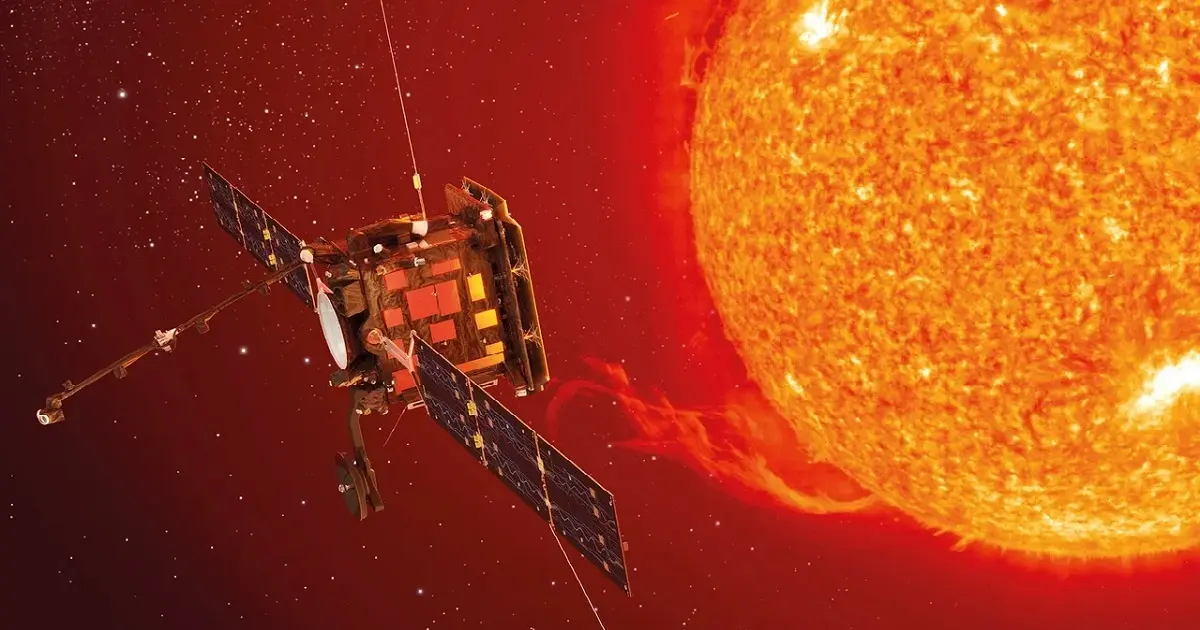
ISRO’s Aditya-L1 Mission: Exploring the Sun for Scientific Advancements
The Indian Space Research Organisation (ISRO) has once again set its sights on the cosmos, this time with the ambitious Aditya-L1 mission, which aims to study the Sun. This significant undertaking by ISRO holds immense importance for various government exams, including those aspiring to become teachers, police officers, banking professionals, railway personnel, and civil servants, ranging from PSCS to IAS. In this article, we delve into the reasons why this mission is crucial, provide a historical context, and outline five key takeaways that students should keep in mind for their exams.
Why this News is Important
Advancing Scientific Understanding of the Sun
Understanding the Sun is vital for various scientific fields, including astrophysics, meteorology, and telecommunications. Aditya-L1 is expected to provide crucial data that will enhance our understanding of the Sun’s behavior and its impact on Earth’s climate and technology.
Strengthening India’s Space Prowess
Aditya-L1 demonstrates India’s growing prowess in space exploration. It’s a testament to ISRO’s capabilities and its commitment to contributing to global scientific advancements. This mission showcases India’s potential as a leader in space research and technology.
Historical Context
To comprehend the significance of Aditya-L1, it’s essential to recognize its historical context. The Sun has always been a subject of fascination and study for astronomers. Several missions, such as NASA’s Parker Solar Probe, have been launched to explore the Sun. Aditya-L1, India’s first solar mission, follows in the footsteps of these pioneering endeavors.
Key Takeaways from the Aditya-L1 Mission
| Serial Number | Key Takeaway |
|---|---|
| 1 | Aditya-L1 is ISRO’s first solar mission. |
| 2 | It aims to study the Sun’s outermost layer, the corona. |
| 3 | The mission will help understand solar activity’s impact on Earth. |
| 4 | Aditya-L1 carries essential instruments like a Solar Ultraviolet Imaging Telescope. |
| 5 | This mission reinforces India’s position in space research. |
Important FAQs for Students from this News
Q: What is the main objective of ISRO’s Aditya-L1 mission?
A: The main objective of the Aditya-L1 mission is to study the Sun and understand its behavior, composition, and its effects on the solar system.
Q: How does the Sun’s solar wind impact Earth?
A: The solar wind from the Sun can affect Earth’s climate, communication systems, and power grids. It plays a significant role in space weather phenomena.
Q: Why is it important for government exam aspirants to be aware of space missions like Aditya-L1?
A: Awareness of space missions like Aditya-L1 is essential for government exam aspirants as it covers subjects related to general science, technology, and space exploration, which are often part of these exams.
Q: What is the historical context of solar exploration?
A: Solar exploration dates back to early astronomers like Galileo Galilei, and various space agencies have conducted missions to study the Sun, including NASA and ESA.
Q: How does the Aditya-L1 mission reflect India’s technological prowess?
A: The Aditya-L1 mission showcases India’s advancements in space technology and research capabilities, reinforcing its position as a leader in space exploration.
Some Important Current Affairs Links