




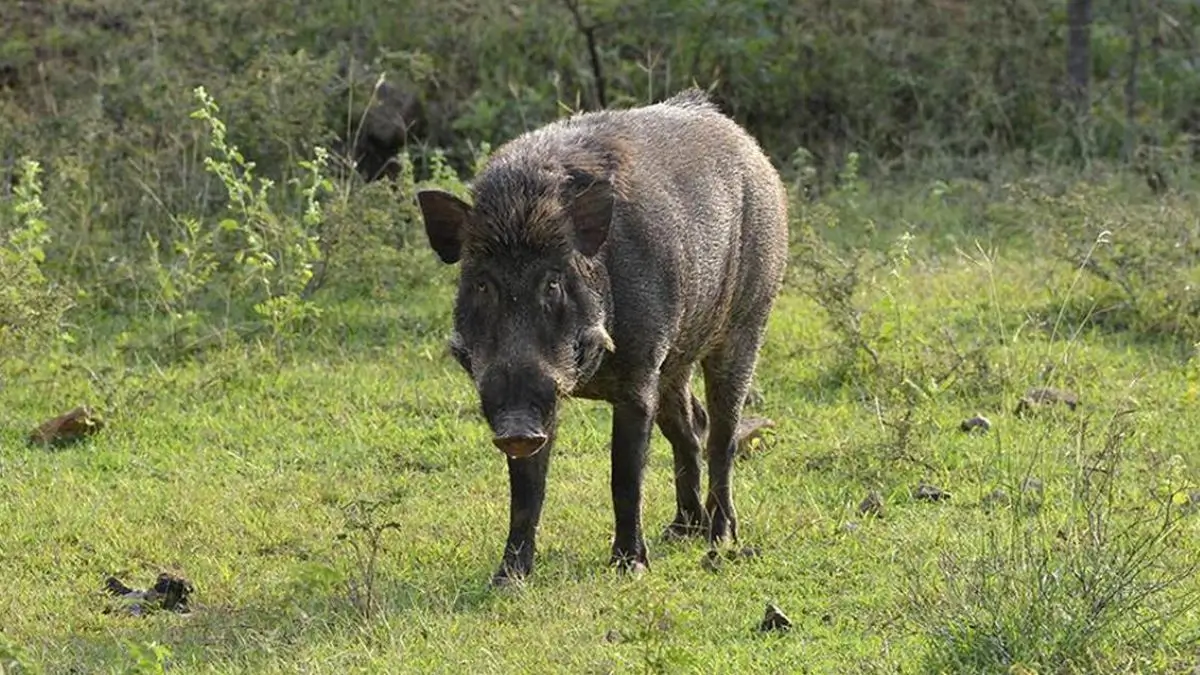
Indigenous African Swine Fever Vaccine developed by ICAR marks India’s first homegrown ASF vaccine for pigs. Know its importance, ICAR-NIHSAD role, animal health benefits and exam-relevant facts for UPSC, PSC, Banking and other government exams.
India Achieves Breakthrough in Veterinary Biotechnology
India has achieved a significant milestone in animal healthcare with the development of an indigenous African Swine Fever (ASF) vaccine for pigs by the Indian Council of Agricultural Research (ICAR). The vaccine has been developed by scientists at the ICAR-National Institute of High Security Animal Diseases (ICAR-NIHSAD), Bhopal, marking a major step towards strengthening India’s animal disease management capabilities.
Understanding African Swine Fever and Its Impact
African Swine Fever (ASF) is a highly contagious viral disease that affects domestic and wild pigs. The disease is known for causing severe outbreaks with extremely high mortality rates, sometimes approaching 100 per cent. Unlike diseases that affect humans, ASF is not a zoonotic disease and does not pose a direct health threat to people. However, it creates major economic challenges for pig farmers by causing livestock losses and disrupting pig production.
India’s First Indigenous Solution Against ASF
The development of an indigenous ASF vaccine is considered a major achievement under India’s efforts towards self-reliance in veterinary science. Before this breakthrough, disease control measures mainly depended on early diagnosis, isolation, movement restrictions, culling of infected animals and strict biosecurity practices due to the absence of an effective vaccine in India.
The homegrown vaccine technology is expected to provide a scientific solution for controlling ASF outbreaks and protecting the livelihoods of pig farmers, particularly in regions where pig farming is an important source of income.
Role of ICAR-NIHSAD in Vaccine Development
The ICAR-National Institute of High Security Animal Diseases (ICAR-NIHSAD), Bhopal, played a crucial role in developing this vaccine. The institute works on research related to high-risk animal diseases, diagnostics and vaccine development. The ASF vaccine represents India’s growing capability in advanced veterinary biotechnology and disease prevention.
Importance for Pig Farmers and Animal Husbandry Sector
Pig farming contributes significantly to rural livelihoods, especially in the North-Eastern states of India. ASF outbreaks since 2020 caused considerable pig deaths and financial losses among small and marginal farmers. The availability of an indigenous vaccine can help reduce economic losses, improve livestock security and support sustainable growth of the animal husbandry sector.
Strengthening India’s Biosecurity System
The development of the ASF vaccine will strengthen India’s animal biosecurity framework. Preventing and controlling livestock diseases is essential for ensuring food security, protecting farmers’ incomes and reducing dependence on imported veterinary technologies.
For government exam aspirants, this development is important under topics such as agriculture, biotechnology, veterinary science, government research institutions, Atmanirbhar Bharat initiatives and animal husbandry schemes.

Why this News is Important
Significance for Agriculture and Rural Economy
The development of India’s indigenous African Swine Fever vaccine is important because pig farming supports thousands of farmers, particularly in rural and tribal regions. ASF outbreaks can destroy entire pig populations, creating severe financial difficulties for farmers. A locally developed vaccine can provide better protection to livestock and support rural economic stability.
Importance for Government Exams
This news is relevant for UPSC, State PSC, Banking, SSC, Railways and other competitive examinations. Questions can be asked about ICAR, ICAR-NIHSAD, African Swine Fever, animal husbandry, biotechnology and government initiatives promoting indigenous research.
Boost to Atmanirbhar Bharat in Biotechnology
The vaccine development reflects India’s focus on self-reliance in critical scientific sectors. Indigenous vaccine production reduces dependence on foreign technologies and strengthens India’s ability to respond quickly to animal disease outbreaks.
Contribution to Animal Health Security
Livestock diseases can have a direct impact on agriculture and rural income. Developing preventive solutions such as vaccines improves animal health management and strengthens the country’s overall biosecurity system.
Historical Context: Background of African Swine Fever in India
Origin and Global Spread of ASF
African Swine Fever was first identified in Africa during the early 20th century. Over time, the disease spread to Europe and Asia, becoming one of the most serious threats to the global pig industry. The virus affects pigs but does not infect humans.
Entry of ASF into India
African Swine Fever was reported in India for the first time in 2020. The disease affected several states, particularly in the North-Eastern region, causing large-scale pig deaths and economic losses for farmers.
Previous Disease Control Measures
Before the availability of an ASF vaccine, India relied on surveillance, laboratory diagnosis, quarantine measures, movement restrictions and removal of infected animals to control outbreaks. The lack of a vaccine created challenges for long-term disease management.
Growth of Indigenous Veterinary Research
India has a history of developing indigenous animal vaccines through institutions such as ICAR and its research centres. Earlier, ICAR-Indian Veterinary Research Institute (ICAR-IVRI) developed indigenous vaccines for diseases affecting livestock, strengthening India’s veterinary research capacity.
Key Takeaways from Indigenous African Swine Fever Vaccine Development
| S.No. | Key Takeaway |
|---|---|
| 1 | ICAR has developed India’s indigenous African Swine Fever vaccine for pigs, marking a major achievement in veterinary biotechnology. |
| 2 | African Swine Fever is a highly contagious viral disease affecting domestic and wild pigs with high mortality rates. |
| 3 | ICAR-NIHSAD, Bhopal, played an important role in developing the homegrown ASF vaccine technology. |
| 4 | The vaccine can help protect pig farmers from economic losses caused by ASF outbreaks, especially in vulnerable regions. |
| 5 | The development supports India’s Atmanirbhar Bharat initiative by promoting indigenous research and animal healthcare solutions. |
Frequently Asked Questions (FAQs) on Indigenous African Swine Fever Vaccine Development
1. What is African Swine Fever (ASF)?
African Swine Fever (ASF) is a highly contagious viral disease that affects domestic and wild pigs. It causes severe illness and high mortality among pigs but does not infect humans.
2. Which organisation developed India’s first indigenous African Swine Fever vaccine?
India’s first indigenous African Swine Fever vaccine has been developed by the Indian Council of Agricultural Research (ICAR) through its research institute ICAR-National Institute of High Security Animal Diseases (ICAR-NIHSAD), Bhopal.
3. What is the full form of ICAR?
ICAR stands for the Indian Council of Agricultural Research. It is an autonomous organisation under the Department of Agricultural Research and Education (DARE), Ministry of Agriculture and Farmers Welfare, Government of India.
4. Where is ICAR-NIHSAD located?
The ICAR-National Institute of High Security Animal Diseases (ICAR-NIHSAD) is located in Bhopal, Madhya Pradesh.
5. Does African Swine Fever affect humans?
No, African Swine Fever is not a zoonotic disease. It affects pigs and wild boars but does not spread to humans.
6. When was African Swine Fever first reported in India?
African Swine Fever was first reported in India in 2020, mainly affecting pig populations in several states, especially in the North-Eastern region.
7. Why is the indigenous ASF vaccine important for India?
The indigenous ASF vaccine will help control disease outbreaks, protect pig farmers from economic losses, strengthen animal healthcare and reduce dependence on imported veterinary technologies.
8. Which sector will benefit most from the ASF vaccine development?
The animal husbandry and pig farming sector will benefit significantly as the vaccine can help protect livestock and improve the income security of pig farmers.
9. What are the common methods used to control African Swine Fever outbreaks?
Earlier, ASF control depended on early diagnosis, quarantine, movement restrictions, biosecurity measures and removal of infected animals.
10. Which government initiative is supported by the development of the indigenous ASF vaccine?
The vaccine development supports the Atmanirbhar Bharat (Self-Reliant India) initiative by promoting indigenous research and reducing dependence on foreign technologies.
Some Important Current Affairs Links